Compare models
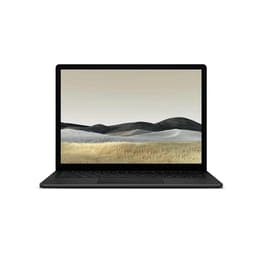
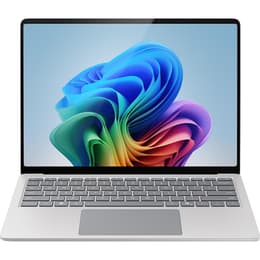
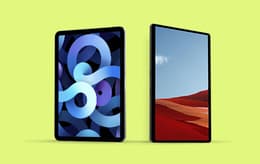
Microsoft Surface Laptop 3 13" vs Microsoft Surface Pro 9 13"
- 1-year warranty
- Free standard shipping
- Free 30-day returns
Differences at a glance
The Microsoft Surface Laptop 3 13-inch (2019) and the Microsoft Surface Pro 9 (2022) represent two distinct approaches to portable computing within the Windows ecosystem. While the Surface Laptop 3 provides a traditional clamshell notebook experience with an attached keyboard, the Surface Pro 9 offers a versatile two-in-one tablet design with a detachable keyboard cover. They differ primarily in their form factor, release timeline, and internal processing capabilities, serving different workplace and daily habits.
Operating on the Windows system, both devices deliver familiar software environments, though the Surface Pro 9 runs a newer generation of the operating system out of the box. Users evaluating these models will find that form factor and physical flexibility represent the primary decision points between a classic laptop structure and a mobile tablet hybrid.
Available Models
Storage (GB)
Processor
Memory (GB)
Scores
Durability
When examining hardware longevity and software support, the release timeline and structural build heavily influence how long each device remains practical for daily use.
- Release timeline and software support: The Surface Pro 9 benefits from a more recent release year, granting it extended compatibility horizons for upcoming operating system updates compared to the older Surface Laptop 3.
- Repairability and physical endurance: Both machines feature sealed designs that limit user-level component upgrades, though choosing a quality-assured refurbished option provides a sustainable choice that extends the active lifecycle of these electronics.
- Expected practical lifespan: Everyday software demands are handled well by both, but the newer internal architecture of the Surface Pro 9 ensures it maintains peak responsiveness for a longer duration into the future.
Release Year
2019
2022
OS
Windows 11
Windows 11
Performance
Daily operation and multitasking capabilities vary significantly based on the internal hardware generations housed within each machine's chassis.
- Multitasking and processing power: The Surface Pro 9 handles heavy spreadsheet management, browser tabs, and demanding applications with greater efficiency due to its newer processing architecture, whereas the Surface Laptop 3 suits standard document editing and web browsing.
- Storage and memory configurations: Both models offer multiple configurations for internal memory and solid-state storage, allowing users to select capacities that match their file storage habits and workflow intensity.
- Battery behavior: Users report that both devices manage power adequately for standard work sessions, though heavy workloads will require more frequent recharging on both platforms.
Graphic card
Integrated Graphics
Integrated Graphics
Screen quality
Display characteristics define the visual workspace, impacting everything from color accuracy during media viewing to legibility under bright lighting conditions.
- Display technology and resolution: The Surface Pro 9 features a high-resolution pixel-dense screen with a taller aspect ratio, while the Surface Laptop 3 provides a traditional widescreen layout optimized for standard window snapping.
- Brightness and outdoor visibility: Both screens offer sufficient brightness levels for indoor environments, though working directly under harsh outdoor sunlight may require seeking shade on both devices.
- Touch and interactive inputs: The Surface Pro 9 screen is designed as a primary touch and digital pen surface due to its tablet nature, whereas the Surface Laptop 3 treats touch input as a secondary convenience feature on a fixed display.
Resolution
2256 x 1504
1920 x 1200
Screen type
IPS
LED
Audiovisual
Media consumption and communication features dictate how well each device handles video calls, audio playback, and casual photography tasks.
- Camera systems: The Surface Pro 9 includes both front-facing and rear-facing cameras suited for document scanning and video conferencing, while the Surface Laptop 3 focuses primarily on a high-definition webcam above the display for meetings.
- Audio output: Integrated speakers on both units deliver clear voice audio for virtual meetings and casual media streaming, though external headphones remain recommended for immersive listening.
- Microphone clarity: Dual far-field studio microphones come standard on both devices, effectively capturing voice input and reducing background noise during calls.
Miscellaneous
Physical dimensions, port selections, and accessory compatibility shape how easily each device integrates into mobile travel and desktop setups.
- Port selection and connectivity: The Surface Laptop 3 incorporates traditional USB-A alongside newer ports, whereas the Surface Pro 9 transitions exclusively to modern connector standards, requiring adapters for legacy accessories.
- Weight and handling: The Surface Laptop 3 provides a balanced, rigid lap-friendly base, while the Surface Pro 9 offers a lightweight tablet body that requires a desk surface or kickstand deployment for stable typing.
- Build materials: Both devices utilize durable metallic outer chassis constructions that withstand regular transport while maintaining a professional appearance.
Weight
45 oz
1 oz
Screen size
13
13
What the community thinks
User feedback from online communities highlights distinct preferences for each device based on physical design habits. Owners of the Surface Laptop 3 frequently praise its stable keyboard base, traditional typing comfort, and reliable performance for standard office tasks. Common criticisms involve the older port selection and decreasing battery capacity over years of use. Conversely, Surface Pro 9 users appreciate the exceptional screen clarity, lightweight tablet flexibility, and smooth pen integration. Frequent concerns for the Pro model center around the separate purchase requirement for the keyboard cover and stability when used on soft surfaces like a lap.
Users prioritizing a traditional laptop experience with a sturdy lap-friendly base may prefer the Surface Laptop 3, while users prioritizing portability, digital note-taking, and a versatile tablet format will lean toward the Surface Pro 9. Selecting an eco-friendly alternative through a quality-assured refurbished option provides a reliable path to acquiring either model while supporting sustainable technology consumption. Ultimately, the choice depends entirely on whether a traditional clamshell notebook or a flexible tablet hybrid better matches daily workflow routines.