HP EliteBook 840 G8 14" vs Microsoft Surface Laptop 3 13"

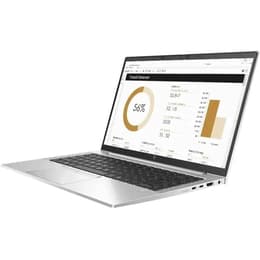
HP EliteBook 840 G8 14"
Starting at

Refurbished price:$300.95

Versus $963.48 new

See options
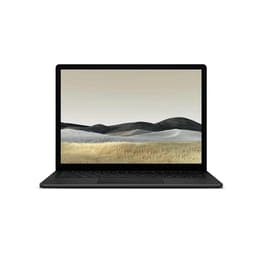
Microsoft Surface Laptop 3 13"
Starting at

Refurbished price:$266.00

Versus $1,209.00 new

See options

The HP EliteBook 840 G8 14 and the Microsoft Surface Laptop 3 13 represent distinct approaches to portable computing, each designed with different user priorities in mind. Released in 2021, the EliteBook 840 G8 is a business-focused laptop emphasizing robust security, extensive connectivity, and upgradeability. In contrast, the Surface Laptop 3 13, launched in 2019, prioritizes a sleek design, a high-resolution touch display, and a premium user experience. Both devices operate on the Windows platform, offering a familiar software environment, but their core differentiators lie in their build, internal architecture, and intended use cases.

Scores

Durability

When considering the long-term viability of these laptops, their release timelines and design philosophies play a significant role in their expected practical lifespan and repairability.

  • Release Timeline: The HP EliteBook 840 G8 was released in March 2021, making it two years newer than the Microsoft Surface Laptop 3 13, which debuted in October 2019. This difference in age means the EliteBook G8 will likely receive operating system updates and security patches for a longer duration, extending its software longevity. [2, 5, 28, 35, 37]
  • Build and Durability: The EliteBook 840 G8 features a robust aluminum chassis and is often subjected to MIL-STD 810H testing, indicating a design focused on enduring demanding environments. Its hinges are noted for being solid and securely attached. [32] The Surface Laptop 3 also boasts a premium aluminum build, with some configurations offering an Alcantara keyboard deck, providing a distinct tactile experience. [1, 4, 8, 16]
  • Repairability: The HP EliteBook 840 G8 is designed with repairability in mind, allowing for relatively straightforward access to internal components like RAM and SSD for upgrades or servicing. [31, 38, 39, 40] The Surface Laptop 3, while an improvement over its predecessors, received an iFixit repairability score of 5 out of 10, with the SSD being removable by a skilled technician but the battery remaining tightly glued. [14, 18, 23, 24]

Release Year

2021

2019

OS

Windows 11

Windows 11

Performance

The performance capabilities of these two laptops are influenced by their respective generations of internal components, impacting how they handle various tasks from everyday computing to more demanding applications.

  • Processing Power: The HP EliteBook 840 G8 is equipped with 11th Generation Intel Core processors, which generally offer improved efficiency and performance for multitasking and running contemporary applications. [2, 3, 11, 35] The Surface Laptop 3 utilizes 10th Generation Intel Core processors, providing solid performance for daily tasks such as web browsing, document editing, and media consumption. [1, 5, 6, 7, 8]
  • Memory and Storage: The EliteBook 840 G8 supports up to 64GB of DDR4 RAM across two slots, offering significant headroom for intensive multitasking and professional software. Its storage options include NVMe PCIe SSDs up to 2TB. [11, 35, 40] The Surface Laptop 3 comes with up to 16GB of LPDDR4x RAM, which is soldered and not upgradeable, and SSD storage options up to 1TB. [1, 6, 7]
  • Battery Behavior: Both laptops are designed to offer substantial battery life for on-the-go use. The EliteBook 840 G8, with its 53 Wh battery, can provide up to 14.5 hours of usage according to manufacturer claims, with real-world web browsing tests showing around 11 hours. [2, 3, 19] The Surface Laptop 3, with its battery, offers up to 11.5 hours of typical device usage, with tested results around 9 hours and 17 minutes for continuous web surfing. [1, 6, 12]

Memory (GB)

8 GB

8 GB

Processor

Core i5-1135G7

Core i5 - Gen 10 (G7)

Graphic card

Integrated Graphics

Integrated Graphics

Screen quality

The visual experience on these devices differs significantly due to their display technologies, resolutions, and aspect ratios, catering to varied user preferences for clarity, brightness, and interaction.

  • Display Technology and Resolution: The HP EliteBook 840 G8 features a 14-inch Full HD (1920x1080) IPS display, with various panel options including standard, low-power, and a 1000-nit HP Sure View Reflect integrated privacy screen. [2, 3, 20, 21, 35] The Microsoft Surface Laptop 3 13 boasts a 13.5-inch PixelSense display with a higher resolution of 2256x1504 pixels and a 3:2 aspect ratio, which provides more vertical screen space. [1, 4, 5, 6, 7, 8, 13]
  • Brightness and Clarity: The EliteBook 840 G8 offers options for brightness ranging from 250 nits to 1000 nits, with the higher brightness options enhancing visibility in bright environments and offering privacy features. [2, 3, 21, 35] The Surface Laptop 3's display typically reaches around 348-400 nits, providing good brightness and vivid colors, though its glossy finish can be prone to reflections. [7, 8]
  • Touch and Aspect Ratio: The Surface Laptop 3's display is touch-enabled and supports pen input, making it suitable for direct interaction and creative tasks. Its 3:2 aspect ratio is often preferred for productivity tasks like document editing and web browsing, as it shows more content vertically. [1, 4, 6, 7, 8, 13] The EliteBook 840 G8 offers touch functionality as an option, but its standard 16:9 aspect ratio is more common for media consumption. [3, 35]

Resolution

1920 x 1080

2256 x 1504

Screen type

IPS

LED

Audiovisual

For communication and media consumption, both laptops integrate audio and visual components, though with some differences in their specific features and user experiences.

  • Webcam and Microphones: Both devices typically include a 720p HD front-facing webcam suitable for video calls. The EliteBook 840 G8 often includes a privacy shutter for the webcam and features a 3 multi-array microphone system for clear audio input. [2, 35] The Surface Laptop 3 also features a 720p HD camera with Windows Hello facial authentication for secure login and dual far-field Studio Mics. [6]
  • Speaker Quality: The HP EliteBook 840 G8 incorporates audio tuned by Bang & Olufsen, featuring dual stereo speakers designed to deliver clear sound. [2, 20, 35] Users of the Surface Laptop 3 frequently praise its Omnisonic Speakers with Dolby Audio for their loudness, clarity, and bass, noting their clean design without visible grilles. [6, 10, 25, 30]
  • Video Recording: The video recording capabilities on both laptops are standard for integrated webcams, suitable for general video conferencing rather than high-fidelity content creation. The EliteBook G8's AI-based audio experience aims to enhance call quality. [2, 15]

Miscellaneous

Beyond core performance and display, several practical elements contribute to the overall user experience, including connectivity, physical design, and security features.

  • Connectivity Options: The HP EliteBook 840 G8 offers a comprehensive selection of ports, including two Thunderbolt 4 (USB-C) ports, two USB-A 3.0/3.1 ports, an HDMI 2.0b output, and a headphone/microphone combo jack. It also supports Wi-Fi 6 and Bluetooth 5.0, with optional 4G LTE or 5G modules. [3, 31, 35] The Surface Laptop 3 includes one USB-C port (not Thunderbolt 3), one USB-A port, a 3.5mm headphone jack, and a Surface Connect port for charging and docking. It supports Wi-Fi 6 and Bluetooth 5.0. [1, 5, 6, 26]
  • Security Features: The EliteBook 840 G8 is equipped with extensive security features such as HP Sure View privacy screen options, HP Sure Start for BIOS protection, HP Sure Click for browser security, a fingerprint reader, and an IR camera for facial recognition. [2, 3, 15, 35] The Surface Laptop 3 relies on Windows Hello for secure facial recognition login. [6]
  • Portability and Design: The EliteBook 840 G8, with its 14-inch screen, starts at approximately 1.32 kg for non-touch models, offering a balance of screen size and portability. [2] The 13.5-inch Surface Laptop 3 is generally lighter, weighing around 1.29 kg, and is known for its sleek, minimalist aesthetic and comfortable keyboard and trackpad. [1, 4, 8, 12, 26]

Weight

46 oz

96 oz

Screen size

14

13

The HP EliteBook 840 G8 14 and the Microsoft Surface Laptop 3 13 cater to different user needs, each excelling in distinct areas. User feedback for the EliteBook 840 G8 often highlights its robust build quality, comprehensive security features, and excellent keyboard feel. [17, 32] It is frequently praised for its upgradeability and extensive port selection, making it a practical choice for business and IT professionals. Some users note that while the display options are functional, they may not always offer the vibrant visual experience of some consumer-oriented devices unless higher-end panels are chosen. [21]

The Surface Laptop 3 13 receives consistent praise for its premium design, high-resolution PixelSense touch display, and comfortable typing experience. [10, 13, 25, 26] Its speakers are also frequently lauded for their quality. [10, 25, 30] Common criticisms include its more limited port selection, the lack of Thunderbolt 3 support, and the glossy nature of its screen, which can lead to reflections. [1, 7, 16, 30] Its repairability, while improved over earlier Surface models, is still less straightforward than the EliteBook. [14]

Users prioritizing strong security, a wide array of connectivity options, and the flexibility of internal upgrades for demanding professional tasks may find the HP EliteBook 840 G8 14 well-suited to their needs. Conversely, individuals who value a sleek, lightweight design, a high-resolution touch-enabled display for everyday productivity and media, and a premium user experience might lean toward the Microsoft Surface Laptop 3 13. Both devices offer a reliable Windows experience, and choosing a quality-assured refurbished option for either model can provide an eco-friendly alternative for consumers.

See all articles

Our recent comparisons