
Compare models

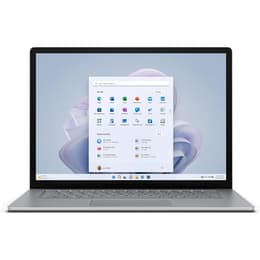
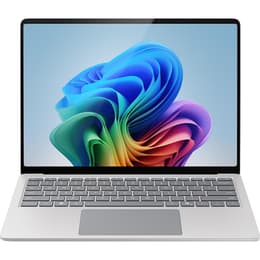
Microsoft Surface Laptop 5 15" vs Microsoft Surface Pro 9 13"

  • 1-year warranty
  • Free standard shipping
  • Free 30-day returns
Microsoft Surface Laptop 5 15"
Starting at

Refurbished price:$569.00

Versus $1,524.00 new

See options
Microsoft Surface Pro 9 13"
Starting at

Refurbished price:$739.99

Versus $899.99 new

See options

Differences at a glance

The Microsoft Surface Laptop 5 15-inch (2022) and the Microsoft Surface Pro 9 13-inch (2022) represent distinct form factors within Microsoft's portable computing lineup. While the Surface Laptop 5 offers a traditional clamshell notebook experience with a larger screen workspace, the Surface Pro 9 functions as a versatile tablet-first device with a detachable keyboard cover. Both run on Windows operating systems, but their physical designs cater to very different workflows, travel habits, and daily computing preferences.

Available Models

Storage (GB)

Processor

Memory (GB)

Scores

Durability

When evaluating long-term utility, both devices benefit from robust Microsoft hardware support and ongoing operating system updates, though their hardware design influences overall longevity.

  • Software support lifecycle: Both models receive regular firmware updates and feature-complete Windows operating system upgrades, ensuring prolonged security and feature parity over several years.
  • Hardware maintenance and repair: Due to their compact, glued internal configurations, both units feature limited component replaceability for end users, meaning professional service is recommended for major hardware changes.
  • Practical lifespan expectations: Choosing a quality-assured refurbished option provides a sustainable choice that extends the operational life of these capable machines while maintaining reliable day-to-day performance for students and mobile professionals.

Release Year

2022

2022

OS

Windows 11

Windows 11

Performance

Underneath their exteriors, both computers handle typical everyday demands efficiently, though thermal management and memory configurations shape their multitasking capabilities.

  • Multitasking and app execution: Both systems handle heavy web browsing, document editing, and collaborative video calls smoothly, keeping multiple windows open without noticeable stuttering.
  • Storage and memory handling: Available configurations vary across multiple solid-state drive sizes and memory capacities, directly influencing how many heavy applications run simultaneously without slowdowns.
  • Thermal behavior and battery dynamics: The traditional laptop chassis allows for passive and active cooling suited to prolonged desktop use, whereas the tablet frame manages heat within a more compact footprint during intensive tasks.

Graphic card

Integrated Graphics

Integrated Graphics

Screen quality

Display characteristics differ significantly in size, aspect ratio, and physical integration, directly impacting visual comfort during extended work sessions.

  • Panel technology and resolution: Both devices utilize high-resolution pixel-dense touchscreens featuring vibrant color reproduction and sharp text clarity for reading and media consumption.
  • Form factor and workspace size: The Surface Laptop 5 provides a fixed 15-inch traditional display area, while the Surface Pro 9 offers a slightly smaller 13-inch screen designed to detach and interact with stylus input directly.
  • Surface brightness and outdoor usability: Both screens incorporate reflective glass layers designed to counteract indoor glare, though working under direct sunlight requires maximum brightness settings on both models.

Resolution

2496 x 1664

1920 x 1200

Screen type

IPS

LED

Audiovisual

Media consumption and communication features reflect their intended usage styles, balancing mobile convenience with multimedia output.

  • Video conferencing optics: Both models feature front-facing cameras equipped for clear virtual meetings, accompanied by sensor suites that support secure facial recognition logins.
  • Audio and speaker clarity: Integrated stereo speakers deliver clear dialogue for podcasts and meetings, though external headphones or speakers provide fuller sound profiles for music and films.
  • Microphone performance: Dual studio microphones isolate background noise effectively during calls, ensuring voice transmission remains clear in shared or busy environments.

Miscellaneous

Physical dimensions, port selections, and accessory compatibility dictate how easily each device integrates into mobile travel kits and desktop workspaces.

  • Port selection and connectivity: The Surface Laptop 5 includes a traditional mix of USB-C, USB-A, and the proprietary magnetic charging port, while the Surface Pro 9 relies primarily on dual versatile USB-C ports alongside its dedicated charging connector.
  • Physical dimensions and weight: The Surface Laptop 5 offers a wider footprint suited for lap use, whereas the Surface Pro 9 provides a lighter, more compact profile when detached from its keyboard accessory.
  • Build materials and handling: Both machines utilize durable aluminum and anodized metal chassis designed to withstand regular transport in backpacks and briefcases.

Weight

64 oz

1 oz

Screen size

15

13

What the community thinks

Choosing between the Microsoft Surface Laptop 5 15-inch and the Microsoft Surface Pro 9 13-inch depends heavily on whether a traditional laptop workspace or a flexible tablet design aligns better with your daily routine. Users prioritizing a rigid clamshell structure, a larger continuous screen area, and traditional lap-based typing will find the Surface Laptop 5 well-suited to their needs. Conversely, users valuing maximum portability, stylus integration for handwritten notes, and a detachable keyboard layout may prefer the Surface Pro 9.

Both devices deliver capable performance for productivity tasks, content streaming, and professional communication. Exploring quality-assured refurbished options for either model provides an eco-friendly alternative that reduces electronic waste while offering fully tested hardware. Ultimately, assessing your preferred physical posture during work and travel will guide you toward the right choice between these two distinct form factors.


Our recent comparisons