
General
Compare models
Differences at a glance
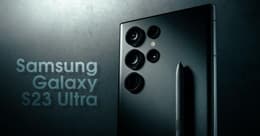
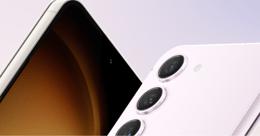
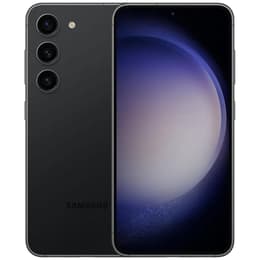
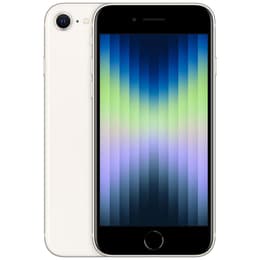
The Samsung Galaxy S23, released in February 2023, and the Apple iPhone SE (2022), launched in March 2022, represent distinct approaches to smartphone design and functionality. While both offer 5G connectivity and capable performance, they differ significantly in their operating systems, display technology, and camera systems. The Galaxy S23 runs on Android, offering a modern, expansive display and a versatile multi-camera setup, whereas the iPhone SE (2022) operates on iOS, featuring a compact design with a traditional home button and a single rear camera.
Color
Storage
When considering the long-term usability of a smartphone, software support and physical resilience are key factors. Both devices offer robust support timelines, but their release dates and operating system ecosystems influence their expected practical lifespan.
Release Year
Last OS Compatibility
OS
Foldable
Performance is a critical aspect for daily smartphone use, influencing everything from app responsiveness to gaming experiences. Both the Galaxy S23 and iPhone SE (2022) are equipped with powerful processors, but their configurations and real-world implications differ.
The display is the primary interface for any smartphone, and the visual experience can vary significantly between different technologies and specifications. The Galaxy S23 and iPhone SE (2022) offer distinct screen characteristics.
Resolution
Screen type
Camera capabilities are a significant consideration for many users, and both devices offer different photographic experiences tailored to their respective designs and target audiences.
Main camera
Front camera
Beyond core performance and camera, several practical features contribute to the overall user experience and daily convenience of a smartphone.
Weight
Screen size (inches)
Network
SIM card
Carrier compatibility
The Samsung Galaxy S23 and iPhone SE (2022) cater to different user preferences, each excelling in distinct areas. User feedback often praises the Galaxy S23 for its vibrant display, versatile camera system, and strong overall performance, making it a compelling choice for those who prioritize a modern Android experience with advanced features. Some common criticisms include its battery life, which, while improved from its predecessor, may still require careful management for very heavy users.
The iPhone SE (2022) is frequently lauded for its powerful processor, compact form factor, and the familiarity of its design, including the Touch ID home button. Users appreciate its long-term software support and consistent performance within the iOS ecosystem. However, common concerns often revolve around its dated display design with larger bezels, the absence of a Night Mode for its camera, and a battery life that, while improved, might not satisfy power users.
Users prioritizing a large, high-refresh-rate OLED display, a multi-lens camera system with advanced zoom capabilities, and the flexibility of the Android operating system will find the Samsung Galaxy S23 well-suited to their needs. Its premium build and extensive software support also contribute to a robust long-term experience. Conversely, users who prefer a smaller, more traditional iPhone design, value the simplicity and security of iOS, and primarily take photos in good lighting conditions may lean toward the iPhone SE (2022). Its powerful internal components ensure smooth performance for years to come.
For those considering either device, exploring quality-assured refurbished options can provide an eco-friendly alternative, offering access to these capable smartphones while supporting sustainable consumption.