
Galaxy S23 FE • Unlocked vs iPhone 16 Plus • Unlocked

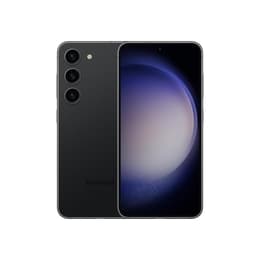
Galaxy S23 FE • Unlocked
Starting at

Refurbished price:$211.00

Versus $799.00 new

See options
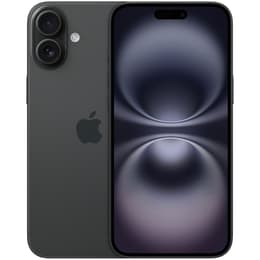
iPhone 16 Plus • Unlocked
Starting at

Refurbished price:$575.98

Versus $829.00 new

See options

Ratings

The Samsung Galaxy S23 FE, released in October 2023, and the Apple iPhone 16 Plus, launched in September 2024, represent distinct approaches to smartphone design and functionality. While the Galaxy S23 FE operates on Android with Samsung's One UI, the iPhone 16 Plus runs on Apple's iOS, offering different user experiences. Key differentiators between these two devices include their core processing power, display technologies, and camera system philosophies, catering to varied user preferences.

Scores

Durability

When considering the practical lifespan of these devices, both offer robust software support and durable builds, though their release timelines place them in different generations.

  • Software Longevity: The Samsung Galaxy S23 FE launched with Android 13 and is expected to receive four major OS updates and five years of security patches, extending its software relevance for a considerable period. The iPhone 16 Plus, having launched with iOS 18, benefits from Apple's typically longer software support, often spanning five to six years or more, potentially offering an additional year of updates compared to its counterpart. [22, 27, 35]
  • Physical Durability: Both devices feature an IP68 rating for dust and water resistance, indicating a high level of protection against environmental elements. The iPhone 16 Plus incorporates Ceramic Shield on the front and a color-infused glass back, paired with an aluminum design, while the Galaxy S23 FE uses Gorilla Glass 5 on both the front and back with an aluminum frame. [2, 9, 19, 25, 38]
  • Repairability: While specific repairability scores can vary, both manufacturers design their devices with certain repair considerations. Users seeking to extend the life of their device through refurbishment can find quality-assured options for both models, promoting a sustainable choice.

Release Year

2023

2024

Last OS Compatibility

Yes

Yes

Foldable

No

No

Performance

The performance of a smartphone is central to the user experience, influencing everything from app responsiveness to gaming capabilities. These two devices approach performance with different hardware architectures.

  • Processing Power: The Samsung Galaxy S23 FE is powered by either a Snapdragon 8 Gen 1 or an Exynos 2200 processor, depending on the region. These chipsets, while capable, are from an earlier generation. The iPhone 16 Plus features Apple's A18 chip, which includes a 6-core CPU, 5-core GPU, and a 16-core Neural Engine, designed for enhanced efficiency and advanced computational tasks. [12, 16, 21, 24, 26]
  • Everyday Responsiveness: Users of the Galaxy S23 FE generally report smooth performance for daily tasks, web browsing, and social media, with good handling of demanding applications and games, though some thermal management concerns have been noted during extended heavy use. The iPhone 16 Plus, with its newer processor, delivers fluid multitasking and high frame rates in graphically intensive games, with users reporting consistent performance without significant heating issues during typical use. [13, 17, 24, 26, 37]
  • Storage and RAM: The Galaxy S23 FE typically comes with 8GB of RAM and storage options of 128GB or 256GB. The iPhone 16 Plus offers 8GB of RAM and storage configurations of 128GB, 256GB, or 512GB. Both provide ample space for applications and media, though neither supports expandable storage. [5, 6, 9, 25, 27]

Memory (GB)

8 GB

8 GB

Screen quality

The display is a primary interface for smartphone interaction, and both devices offer vibrant viewing experiences with distinct characteristics.

  • Display Technology and Size: The Samsung Galaxy S23 FE features a 6.4-inch Dynamic AMOLED 2X display, providing deep blacks and rich colors. The iPhone 16 Plus sports a slightly larger 6.7-inch Super Retina XDR OLED display, also known for its excellent contrast and color accuracy. [1, 4, 19, 25, 30]
  • Resolution and Brightness: Both phones offer a sharp viewing experience with FHD+ resolution (2340 x 1080 pixels for S23 FE, 2796 x 1290 pixels for iPhone 16 Plus), resulting in similar pixel densities around 400-460 ppi. The Galaxy S23 FE reaches a peak brightness of 1450 nits, while the iPhone 16 Plus can achieve up to 2000 nits peak brightness outdoors, offering better visibility in bright sunlight. [1, 14, 19, 30, 40]
  • Refresh Rate and Features: Both devices feature a 120Hz refresh rate, contributing to smoother scrolling and more fluid animations. The iPhone 16 Plus also includes Apple's Dynamic Island, which integrates alerts and background activities into an adaptive notification area, and True Tone technology for automatic white balance adjustment. [1, 14, 19, 29, 30]

Resolution

1080 x 2340

1290 x 2796

Screen type

Dynamic AMOLED 2X

Super Retina XDR OLED

Audiovisual

Photography and videography capabilities are often a deciding factor for many users, and these phones offer advanced camera systems tailored to different preferences.

  • Rear Camera Systems: The Galaxy S23 FE is equipped with a versatile triple-camera setup, including a 50MP main sensor with optical image stabilization (OIS), a 12MP ultrawide lens, and an 8MP telephoto lens with 3x optical zoom. The iPhone 16 Plus features an advanced dual-camera system with a 48MP Fusion Main camera (also with OIS and capable of 2x optical-quality telephoto shots via sensor crop) and a 12MP Ultra Wide camera. [2, 7, 8, 13, 16, 20, 27, 30, 31]
  • Photography Features: The Galaxy S23 FE offers features like Single Take, Pro mode, and Super Steady for video. The iPhone 16 Plus introduces a dedicated Camera Control button for quick adjustments, along with Photographic Styles, Photonic Engine, Deep Fusion, and Smart HDR 5 for enhanced image processing. Both excel in everyday photography, with the iPhone 16 Plus noted for its strong low-light performance and the Galaxy S23 FE for its detailed shots in good lighting. [2, 8, 12, 20, 31, 33]
  • Video Recording and Audio: Both devices support high-resolution video recording, with the Galaxy S23 FE capable of 8K video at 24fps and the iPhone 16 Plus offering 4K Dolby Vision video. The iPhone 16 Plus also includes Cinematic mode, Action mode, and Spatial video recording, alongside improved audio recording tools for vloggers. [2, 7, 8, 20, 31]

Main camera

50 megapixels

48 megapixels

Front camera

10 megapixels

12 megapixels

Miscellaneous

Beyond core performance and display, several practical features contribute to the overall user experience and daily convenience.

  • Connectivity and Ports: Both smartphones support 5G connectivity and modern Wi-Fi standards, with the iPhone 16 Plus featuring Wi-Fi 7. The Galaxy S23 FE uses a USB-C port, while the iPhone 16 Plus also adopts USB-C, though with USB 2.0 speeds. The iPhone 16 Plus primarily uses eSIM in the US, while the Galaxy S23 FE supports dual Nano-SIMs. [9, 16, 22, 25]
  • Biometric Security: The Galaxy S23 FE incorporates an optical in-display fingerprint sensor for secure unlocking. The iPhone 16 Plus relies on Face ID, Apple's facial recognition system, enabled by its TrueDepth camera. [1, 2, 13]
  • Design and Handling: The Galaxy S23 FE measures approximately 158 x 76.5 x 8.2 mm and weighs around 209g. The iPhone 16 Plus is slightly larger and lighter at 160.9 x 77.8 x 7.8 mm and 199g. The iPhone 16 Plus also features an Action Button, which is customizable for various functions like launching the camera or flashlight. [2, 4, 10, 14, 19, 23, 34, 35, 40, 43]

Weight

6 oz

7030 oz

Screen size (inches)

6.1

6.7

Network

5G

5G

SIM card

Physical SIM

eSIM

Carrier compatibility

Unlocked

Unlocked

Connector

USB-C

USB-C (USB 2)

The Samsung Galaxy S23 FE and the iPhone 16 Plus cater to users with distinct priorities, each excelling in different areas based on their design philosophy and ecosystem. Users frequently praise the Galaxy S23 FE for its vibrant AMOLED display, versatile triple-camera system with optical zoom, and its overall solid performance for daily tasks. Some common criticisms have revolved around its processor being an older generation and initial reports of inconsistent battery life, though many users find battery performance improves with usage. [13, 26, 30, 32, 41]

The iPhone 16 Plus is often lauded for its exceptional battery life, frequently lasting well into a second day of use, and its powerful A18 chip which ensures smooth performance across all applications, including demanding games. Its advanced dual-camera system, particularly the 48MP main sensor with its 2x optical-quality zoom and new Camera Control button, receives positive feedback. Criticisms sometimes point to the absence of a dedicated telephoto lens found in Pro models and the display's refresh rate not being as adaptive as some competitors. [15, 24, 31, 35, 37, 39]

Users prioritizing a long-lasting battery, a highly optimized software experience, and advanced computational photography features may find the iPhone 16 Plus well-suited to their needs. Conversely, those who value a versatile camera system with a dedicated optical telephoto lens, a customizable Android experience, and a slightly more compact form factor might lean towards the Galaxy S23 FE. Both devices offer compelling features, and for those considering an eco-friendly and quality-assured option, exploring refurbished models of either device can be a smart choice.

See all articles

Our recent comparisons