
Compare models
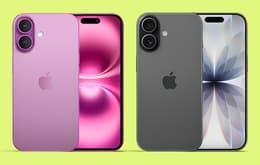
iPhone 16 Plus • Unlocked vs iPhone Air • Unlocked
- 1-year warranty
- Free standard shipping
- Free 30-day returns
Differences at a glance
The iPhone 16 Plus (2024) and the iPhone Air (2025) represent two distinct approaches to larger-screen smartphones within Apple's ecosystem. While the iPhone 16 Plus focuses on traditional battery endurance and balanced everyday usability, the iPhone Air introduces a radically slim profile and advanced processing capabilities. Both devices run modern iterations of iOS and offer seamless integration with contemporary software services, though their physical designs and hardware configurations cater to very different preferences.
Available Models
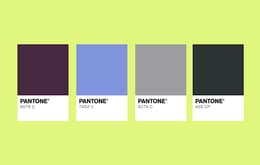
Color
Storage (GB)
Scores
Durability
When evaluating the long-term usability of these devices, differences in their release timelines and hardware resilience dictate their expected practical lifespans.
- Software Support Duration: Both models benefit from extended multi-year software update cycles, though the iPhone Air enters the market one year later, granting it an additional year of prospective operating system updates.
- Build Resilience: The iPhone 16 Plus uses durable aluminum and glass construction, whereas the iPhone Air incorporates a rigid titanium frame paired with reinforced scratch-resistant glass to maintain structural integrity despite its exceptionally thin profile.
- Repairability and Longevity: Both devices feature standardized internal layouts designed to support authorized component replacements, ensuring they remain viable choices for long-term daily use.
Release Year
2024
2025
Last OS Compatibility
Yes
Yes
Foldable
No
No
Performance
Day-to-day operation and handling of intensive applications vary noticeably between the two models due to differences in their underlying silicon capabilities and memory allocations.
- App Loading and Multitasking: The iPhone Air utilizes a higher-tier current-generation processor and increased memory capacity, resulting in slightly faster execution during heavy multitasking and demanding software tasks compared to the capable performance of the iPhone 16 Plus.
- Storage Configurations: The iPhone 16 Plus begins at a standard baseline storage capacity, while the iPhone Air starts at a higher tier, accommodating larger libraries of offline media and documents without running out of space quickly.
- Power Management: The larger physical casing of the iPhone 16 Plus houses a higher-capacity battery that delivers exceptional endurance for all-day usage, whereas the slimmer profile of the iPhone Air necessitates more frequent charging for users with heavy daily workloads.
Screen quality
Media consumption and visual clarity differ slightly based on the display dimensions and panel technologies integrated into each chassis.
- Display Technology: Both models feature vibrant OLED panels with deep contrast levels and rich color reproduction, ensuring clear visibility for text, photos, and video streaming.
- Refresh Rate and Smoothness: The iPhone Air incorporates a higher refresh rate display that delivers smoother motion during scrolling and interface navigation, while the iPhone 16 Plus utilizes a standard refresh rate.
- Outdoor Visibility: High peak brightness capabilities on both screens ensure that content remains legible under direct sunlight, though differences in display size (6.7 inches for the Plus versus 6.5 inches for the Air) alter the overall viewing workspace.
Resolution
1290 x 2796
2736x1260
Screen type
Super Retina XDR OLED
Super Retina XDR
Audiovisual
Photography and audio recording configurations reflect different design priorities, balancing multi-lens versatility against streamlined physical profiles.
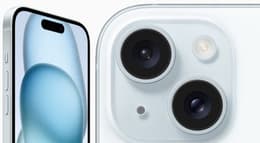
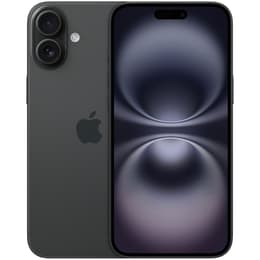
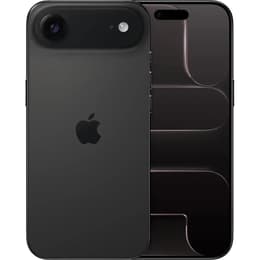
- Camera System Setup: The iPhone 16 Plus features a dual-lens rear camera arrangement suited for standard and ultra-wide framing, whereas the iPhone Air opts for a streamlined single-lens primary camera housed within a raised plateau to maintain its thin silhouette.
- Low-Light and Video Capture: Both devices capture sharp everyday photographs and stable high-resolution video, though the advanced image processing pipeline on the iPhone Air provides enhanced detail preservation in challenging lighting conditions.
- Audio Output: Media playback relies on stereo speaker configurations that deliver clear dialogue and balanced sound for calls and casual video viewing on both handsets.
Main camera
48 megapixels
48 megapixels
Front camera
12 megapixels
18 megapixels
Miscellaneous
Physical dimensions and connectivity standards shape how each device fits into daily travel and accessory ecosystems.
- Portability and Handling: The iPhone Air stands out for its remarkably lightweight build and minimal thickness, making it exceptionally comfortable to carry, while the iPhone 16 Plus carries a heavier, more traditional footprint that some users find easier to grip securely.
- Connectivity and Ports: Both models utilize standard universal charging ports and support rapid wireless charging technologies alongside high-speed 5G mobile data networks.
- Authentication and Sensors: Face recognition sensors embedded in the upper screen area provide secure device unlocking and authorization across both smartphones.
Weight
185 oz
185 oz
Screen size (inches)
6.7
6.5
Network
5G
5G
SIM card
eSIM
eSIM
Carrier compatibility
Unlocked
Unlocked
Connector
USB-C (USB 2)
USB-C
What the community thinks
Users prioritizing extended battery endurance and a traditional large-screen feel often lean toward the iPhone 16 Plus, while those valuing an ultra-lightweight build, smooth display motion, and advanced processing headroom frequently prefer the iPhone Air. Choosing a quality-assured refurbished option through Back Market provides a sustainable, eco-friendly alternative that extends device life cycles without compromising on performance. Reviewing these practical differences helps ensure that your final selection aligns closely with your daily habits and workflow requirements.