Compare models
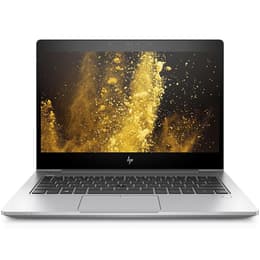
Dell Latitude 5410 14" vs HP EliteBook 830 G6 13"
- 1-year warranty
- Free standard shipping
- Free 30-day returns
Differences at a glance
The Dell Latitude 5410 (2020) and the HP EliteBook 830 G6 (2019) are enterprise-focused business laptops designed to handle everyday productivity tasks with reliability and secure operation. While both machines run on the Windows operating system and target professionals or students, they differ primarily in their screen dimensions, release timelines, and internal hardware generations. This comparison breaks down their practical differences to help you decide which configuration suits your daily workflow.
Available Models
Storage
Processor
Memory
Scores
Durability
When considering longevity, both machines benefit from business-class build quality and ongoing software support through standard operating system lifecycles, though release timelines create a slight variation in age.
- Release Timeline: The HP EliteBook arrived in 2019, while the Dell Latitude followed a year later in 2020, giving the Dell option a minor head start in hardware age.
- Software Longevity: Both devices support standard Windows update tracks, though older hardware generations eventually approach manufacturer driver support limits.
- Repairability: Both laptops feature accessible internal components with standard modular parts, making component replacements and battery swaps straightforward for technicians.
Release Year
2020
2019
Last Os Compatibility
Yes
Yes
OS
Windows 11
Windows 11
Performance
Both laptops are built for multi-tasking, office applications, and web browsing, but they rely on different generations of internal hardware to manage daily workloads.
- System Responsiveness: The Dell Latitude utilizes a slightly newer processor generation that manages routine multitasking, document editing, and browser-heavy workflows with smooth efficiency.
- Memory and Storage: Configurations typically feature flexible RAM capacities and solid-state drives that ensure quick system boot times and rapid file access.
- Battery Behavior: Both models deliver reliable power for working away from a desk, though heavy use involving high screen brightness and constant video calls will require midday charging.
Graphic card
Integrated Graphics
Integrated Graphics
Screen quality
Display characteristics vary between the two models in terms of physical workspace size and maximum lighting output for different environments.
- Display Technology: Both laptops utilize anti-glare panel technology with clear text rendering, making them well-suited for extended reading and writing tasks.
- Screen Size: The Dell Latitude offers a slightly larger 14-inch workspace, whereas the HP EliteBook features a more compact 13.3-inch form factor.
- Outdoor Visibility: Standard configurations provide comfortable indoor brightness, while select specialized HP configurations offer high-luminance panels tailored for bright outdoor settings.
Resolution
1920 x 1080
1920 x 1080
Screen type
LED
LCD
Audiovisual
Media consumption and remote collaboration capabilities are handled through integrated multimedia hardware designed for daily virtual meetings.
- Webcam Performance: Both devices feature built-in web cameras suitable for standard video conferencing and virtual classes.
- Audio Output: Integrated stereo speakers deliver clear dialogue for voice calls and casual media streaming.
- Microphone Clarity: Built-in multi-array microphones help filter out background ambient noise during remote conversations.
Miscellaneous
Physical design, port selections, and connectivity standards dictate how easily each laptop integrates into existing desk setups and travel bags.
- Port Selection: Both models include traditional USB ports, video output connectors, and network jacks, reducing the need for external adapters.
- Wireless Connectivity: The Dell Latitude features an updated wireless standard for improved network efficiency in crowded environments, alongside modern Bluetooth capabilities.
- Dimensions and Handling: The HP EliteBook's slightly smaller footprint provides a compact profile for travelers, while the Dell Latitude balances screen estate with a manageable portable chassis.
Weight
112 oz
87 oz
Screen size
14
13
What the community thinks
User feedback highlights both laptops as dependable workhorses for text editing, research, and office tasks, though common discussions note that older business machines can show battery degradation over time depending on previous usage. Users prioritizing a slightly larger screen workspace and newer internal hardware generations may prefer the Dell Latitude 5410, while those looking for a compact travel footprint often lean toward the HP EliteBook 830 G6. For shoppers exploring a quality-assured refurbished option, both models offer a sustainable choice that extends device lifecycles while reducing electronic waste. Ultimately, your choice depends on whether a 14-inch display or a more compact 13-inch chassis better fits your daily routine.