Dell Latitude 5410 14" vs Lenovo ThinkPad X1 Carbon G10 14"

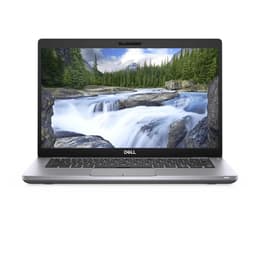
Dell Latitude 5410 14"
Starting at

Refurbished price:$214.92

Versus $1,829.82 new

See options
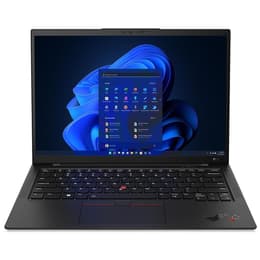
Lenovo ThinkPad X1 Carbon G10 14"
Starting at

Refurbished price:$835.00

Versus $2,303.98 new

See options

Ratings

The Dell Latitude 5410 and the Lenovo ThinkPad X1 Carbon Gen 10 are both 14-inch business-oriented laptops designed for productivity and reliability. Released in 2020, the Latitude 5410 emphasizes robust build and user-upgradeability, while the ThinkPad X1 Carbon Gen 10, launched in 2022, focuses on a lightweight design, enhanced performance, and advanced display options. Both devices operate on the Windows platform, offering a familiar experience for professional users.

Scores

Durability

When considering the long-term usability of these laptops, their release timelines and design philosophies play a significant role.

  • Release Timeline: The Dell Latitude 5410 was released in 2020, making it an older model compared to the Lenovo ThinkPad X1 Carbon Gen 10, which debuted in 2022 [1, 6]. This two-year difference impacts expected software support and the longevity of internal components.
  • Software Support: Both devices are compatible with Windows 11, but the newer ThinkPad X1 Carbon Gen 10 will likely receive operating system updates and security patches for a longer duration due to its more recent release [6, 8, 11, 12]. The Latitude 5410, while still supported, is closer to the end of its update cycle.
  • Repairability and Upgradeability: The Latitude 5410 is noted for its good upgradeability, featuring two SO-DIMM slots for RAM and accessible storage options, which can extend its practical lifespan by allowing component refreshes [1, 19]. In contrast, the ThinkPad X1 Carbon Gen 10 typically comes with soldered RAM, limiting future memory upgrades, though its SSD is generally user-accessible [10, 18].

Release Year

2019

2022

Last Os Compatibility

Yes

Yes

OS

Windows 11

Windows 11

Performance

Performance capabilities differ notably between these two laptops, primarily due to their respective processor generations and memory configurations.

  • Processing Power: The Dell Latitude 5410 is equipped with 10th-generation Intel Core processors, which provide solid performance for everyday business tasks and multitasking [1, 4, 11]. The Lenovo ThinkPad X1 Carbon Gen 10, featuring 12th-generation Intel Core processors, offers a significant leap in processing power, resulting in smoother handling of demanding applications and more efficient multitasking [6, 9, 10, 18].
  • Memory and Storage: The Latitude 5410 supports up to 32GB or 64GB of DDR4 RAM across two SO-DIMM slots, allowing for user upgrades [1, 7, 12, 19]. Its storage typically includes NVMe M.2 SSDs, with some configurations also supporting 2.5-inch HDDs [1, 3, 11, 12]. The ThinkPad X1 Carbon Gen 10 comes with up to 32GB of faster LPDDR5 RAM, which is soldered to the motherboard, meaning it cannot be upgraded post-purchase [6, 10, 18]. It utilizes PCIe Gen 4 SSDs, offering faster data transfer speeds compared to the Latitude's PCIe Gen 3 options [8, 10].
  • Battery Behavior: The Latitude 5410, particularly with its 68Wh battery option, is known for its extended battery life, often achieving 15-19 hours in web browsing or video playback tests [2, 14, 19]. The ThinkPad X1 Carbon Gen 10, with a 57Wh battery, shows more variability; while some configurations can achieve around 10 hours, models with higher-resolution OLED displays may see battery life reduced to 5-7 hours [9, 10, 13, 17, 18].

Memory (GB)

8 GB

16 GB

Processor

Core i3 - Gen 10 (U)

Core i5-1235U

Graphic card

Integrated Graphics

Integrated Graphics

Screen quality

The visual experience on these laptops is shaped by their display technologies and available configurations.

  • Display Technology and Resolution: The Dell Latitude 5410 typically features a 14-inch Full HD (1920x1080) IPS display with an anti-glare coating [1, 2, 4, 36]. While offering comfortable viewing angles, some configurations have been noted for less vibrant colors and potential PWM (Pulse Width Modulation) at lower brightness levels [2]. The Lenovo ThinkPad X1 Carbon Gen 10 offers a wider range of 14-inch display options, all with a modern 16:10 aspect ratio. These include WUXGA (1920x1200) IPS panels, 2.8K (2880x1800) OLED displays, and even 4K WQUXGA (3840x2400) IPS options [8, 9, 10, 26].
  • Brightness and Clarity: The Latitude 5410's display is generally adequate for indoor use, but its brightness levels may be less suitable for bright outdoor environments [4]. The ThinkPad X1 Carbon Gen 10's IPS panels typically offer around 400 nits of brightness, making them more versatile for various lighting conditions, while its OLED options can reach 500 nits, providing exceptional contrast and color depth [8, 10, 24, 35].
  • Refresh Rate and Viewing Experience: Both laptops generally feature standard 60Hz refresh rates. The X1 Carbon Gen 10's higher-resolution and OLED options deliver a more immersive and visually striking experience, particularly for media consumption or detailed work, though the OLED panels can impact battery endurance [17, 24].

Resolution

1366 x 768

1920 x 1200

Screen type

IPS

IPS

Camera

Audiovisual

For communication and multimedia, both laptops offer integrated solutions, with the ThinkPad X1 Carbon Gen 10 generally providing a more advanced setup.

  • Webcam Quality: The Dell Latitude 5410 includes a 720p HD webcam with a privacy shutter, suitable for basic video conferencing [1, 36]. The Lenovo ThinkPad X1 Carbon Gen 10 features an upgraded 1080p FHD webcam, often with an IR sensor for Windows Hello facial recognition and a privacy shutter, delivering clearer video quality for virtual meetings [8, 18, 24, 29, 35].
  • Microphone and Speaker System: The Latitude 5410 is equipped with dual array microphones and 2W stereo speakers [3, 36]. The ThinkPad X1 Carbon Gen 10 boasts a more sophisticated audio system, including four 360-degree far-field microphones with Dolby Voice certification and four user-facing Dolby Atmos speakers, providing superior sound input and output for calls and media consumption [8, 10, 29, 35].
  • Photography and Video Recording: Neither laptop is designed for advanced photography, but the X1 Carbon Gen 10's improved webcam offers better clarity for video recording in professional contexts [18, 24].

Miscellaneous

Beyond core performance, several practical elements differentiate these two business laptops.

  • Connectivity Options: The Dell Latitude 5410 supports Wi-Fi 6 and Bluetooth 5.1, offering modern wireless connectivity [1, 36]. Its port selection includes three USB 3.2 Gen1 Type-A ports, one USB 3.2 Gen2 Type-C port (with optional Thunderbolt 3 support), HDMI 1.4b, an RJ-45 Ethernet port, and a microSD card reader [1, 3, 16, 21]. The Lenovo ThinkPad X1 Carbon Gen 10 features Wi-Fi 6E and Bluetooth 5.2, providing slightly faster and more stable wireless connections [6, 8]. Its ports include two Thunderbolt 4 (USB-C) ports, two USB 3.2 Gen1 Type-A ports, HDMI 2.1, and an audio jack, but it notably lacks a built-in SD card reader [6, 8, 28].
  • Physical Design and Portability: The Latitude 5410 has a more traditional business laptop design, weighing around 1.47 kg to 1.595 kg (3.2 to 3.5 lbs) and having a slightly thicker profile [2, 3, 32]. It incorporates some post-industrial carbon fiber in its construction [36]. The ThinkPad X1 Carbon Gen 10 is significantly lighter, starting at approximately 1.12 kg (2.48 lbs), thanks to its carbon fiber and magnesium construction, making it highly portable [9, 10].
  • Security and Sensors: Both laptops offer security features like fingerprint readers and privacy shutters for the webcam [1, 8, 33]. The X1 Carbon Gen 10 also offers advanced options like IR cameras for facial recognition and Computer Vision features [8, 18].

Weight

3000 oz

40 oz

Screen size

14

14

Choosing between the Dell Latitude 5410 and the Lenovo ThinkPad X1 Carbon Gen 10 involves weighing priorities such as performance, portability, and display quality. Users often praise the Latitude 5410 for its exceptional battery life, especially with the larger 68Wh option, and its robust, upgradeable design, which allows for component replacement and extended use [14, 19, 25]. However, some users note its display quality can be a drawback, and its overall design is less sleek than newer models [1, 2, 4].

The ThinkPad X1 Carbon Gen 10, on the other hand, is frequently lauded for its remarkably lightweight and thin profile, making it an excellent choice for professionals who travel frequently [9, 10, 18]. Its advanced display options, including vibrant OLED panels, and a superior webcam and audio system are also strong points [8, 10, 29, 35]. Criticisms often revolve around its battery life, which can be shorter than expected, particularly with high-resolution or OLED screens, and the soldered RAM limits future upgrades [9, 17, 18].

Users prioritizing long battery endurance and the flexibility of upgrading internal components may find the Dell Latitude 5410 well-suited to their needs. Conversely, those who value a highly portable device with cutting-edge display technology and enhanced conferencing features will likely lean towards the Lenovo ThinkPad X1 Carbon Gen 10. Both models represent reliable choices for business use, and considering a quality-assured refurbished option for either can be a sustainable choice for informed consumers.


See all articles

Our recent comparisons