Compare models
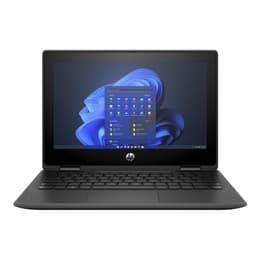
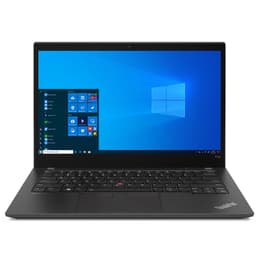
HP Pro x360 Fortis G10 11" vs Lenovo ThinkPad T14 G2 14"
- 1-year warranty
- Free standard shipping
- Free 30-day returns
Differences at a glance
The HP Pro x360 Fortis G10 11-inch (2023) and the Lenovo ThinkPad T14 Gen 2 14-inch (2021) represent two distinct approaches to portable computing for everyday use. While the HP model offers a compact, convertible design focused on flexibility, the Lenovo alternative prioritizes a traditional laptop form factor with a larger workspace and enterprise-grade build quality. Both machines run on Windows operating systems and cater to users seeking reliable daily performance, though their physical dimensions and utility diverge significantly.
Choosing between them depends heavily on whether daily tasks require a smaller, touch-enabled convertible setup or a larger, traditional workspace designed for extensive typing and multitasking. This comparison outlines how physical attributes, internal capabilities, and daily usability differ across both devices.
Available Models
Storage (GB)
Processor
Memory (GB)
Scores
Durability
When examining longevity and durability, both devices offer solid construction tailored to withstand regular daily transit, though they approach long-term software and hardware support through different release timelines and structural designs.
- Release timeline and software support: The HP Pro x360 Fortis G10 launched more recently in 2023, giving it a slightly longer window for receiving operating system updates compared to the Lenovo ThinkPad T14 Gen 2 from 2021, though both remain fully compatible with current software ecosystems.
- Build and repair considerations: Both laptops feature robust chassis designed for student or professional environments, with standardized internal components that allow for straightforward maintenance and repair procedures over time.
- Expected lifespan: Users can expect dependable daily service from both options over several years, provided the hardware matches their ongoing demands for multitasking and software requirements.
Release Year
2022
2020
OS
Windows 11
Windows 11
Performance
Underneath the surface, these laptops handle daily workflows differently based on their internal hardware configurations, memory capacities, and thermal management during extended use.
- Multitasking and system responsiveness: Both devices manage web browsing, document editing, and video streaming smoothly, though the Lenovo model typically configures higher maximum memory ceilings suitable for heavy data handling.
- Storage and battery behavior: Solid-state drive options on both machines ensure rapid file access and boot times, while battery endurance varies depending on screen size and battery capacity, generally lasting through standard working or study hours under moderate use.
- Everyday application loading: Standard productivity applications open swiftly on both systems, offering consistent performance for writing, spreadsheets, and routine communication tasks.
Graphic card
Integrated Graphics
Integrated Graphics
Screen quality
The visual experience differs substantially between the two models due to distinct screen dimensions, panel technologies, and physical interaction capabilities.
- Display size and format: The HP Pro x360 Fortis G10 features an 11-inch touch-sensitive screen that rotates fully into tablet mode, whereas the Lenovo ThinkPad T14 Gen 2 provides a traditional 14-inch non-rotating display with a larger workspace for side-by-side windows.
- Clarity and outdoor visibility: Both screens offer sufficient resolution for crisp text rendering and clear image viewing, with panel brightness levels capable of handling indoor lighting and shaded outdoor environments comfortably.
- Viewing experience: Users who prefer drawing, handwriting notes, or consuming media in a compact tablet configuration will find the HP model's display versatile, while multi-document professionals benefit from the expansive screen real estate on the Lenovo alternative.
Resolution
1366 x 768
3840 x 2160
Screen type
LCD
LCD
Audiovisual
Media consumption, audio output, and remote communication features vary between these machines, reflecting their different physical footprints and intended deployment environments.
- Webcam and remote communication: Both laptops are equipped with built-in webcams and microphone arrays suitable for virtual meetings and online classes, delivering clear voice capture for everyday conversations.
- Speaker output: Internal speakers on both devices provide adequate volume and clarity for video calls and casual media playback, though external headphones or speakers enhance audio depth for music and movies.
- Multimedia handling: The larger frame of the Lenovo model accommodates slightly more robust acoustic chambers, while the HP model prioritizes portability and straightforward media viewing in restricted spaces.
Miscellaneous
Practical daily usability is heavily influenced by physical dimensions, port availability, and peripheral connectivity options embedded in each chassis design.
- Port selection and connectivity: Both laptops include essential USB ports, video output connections for external monitors, and modern wireless networking standards for stable internet access.
- Dimensions and handling: The HP model is noticeably lighter and smaller, making it convenient for users constantly on the move, whereas the Lenovo model provides a more spacious keyboard layout at the cost of additional weight and bulk.
- Security and input features: Both lineups incorporate reliable input peripherals, with the Lenovo offering its signature typing feel and trackpoint options, and the HP focusing on flexible touch and stylus input methods. Choosing a quality-assured refurbished option for either model provides an eco-friendly alternative that reduces electronic waste without compromising on functional versatility.
Weight
4 oz
56 oz
Screen size
11
14
What the community thinks
The HP Pro x360 Fortis G10 and the Lenovo ThinkPad T14 Gen 2 cater to distinct preferences in portable computing. Users prioritizing a compact, touch-enabled convertible form factor for note-taking, sketching, and effortless travel will find the HP model well-suited to their daily routine. Conversely, users who value a traditional laptop layout, a larger 14-inch screen for multitasking, and an expansive keyboard for heavy typing will likely lean toward the Lenovo alternative.
Reviewers and everyday users frequently praise the HP model for its flexible hinge design and portability, while noting that its smaller screen limits extensive multi-window work. For the Lenovo device, common praise centers on its sturdy keyboard and reliable enterprise build, though some users mention its heavier weight when carrying it throughout the day. Selecting either device as a sustainable choice through professional refurbishment extends product lifecycles while delivering dependable performance for students, travelers, and professionals alike.