
Compare models
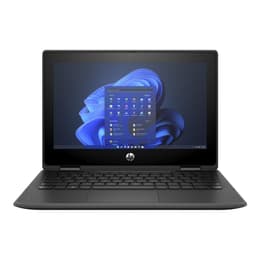
Dell Latitude 5520 15" vs HP Pro x360 Fortis G10 11"
- 1-year warranty
- Free standard shipping
- Free 30-day returns
Differences at a glance
The Dell Latitude 5520 15" (2021) and the HP Pro x360 Fortis G10 11" (2023) represent two distinct form factors in the enterprise and education laptop landscape. While the Dell model provides a traditional, expansive workspace tailored for general office duties and desktop replacement, the HP alternative delivers a compact, convertible design with a 360-degree hinge suited for dynamic learning and mobile note-taking. Both machines run on contemporary operating systems, yet their physical footprints and intended daily environments differ significantly. This comparison examines how their core specifications, physical dimensions, and practical capabilities align with varying user requirements.
Available Models
Storage
Processor
Memory
Scores
Durability
When evaluating the longevity and structural support of these two computing options, differences in their release timelines and intended build purposes become apparent.
- Software and security support: Both devices receive regular system updates, though newer releases generally benefit from extended compatibility windows with operating system updates.
- Repairability and structural design: The Dell Latitude series typically features modular internal components designed for straightforward corporate maintenance, while the HP Fortis line incorporates ruggedized chassis reinforcements meant to withstand frequent classroom handling and travel.
- Expected practical lifespan: Users can anticipate several years of reliable service from both models for standard tasks, provided the battery health is maintained through routine usage cycles.
Release Year
2021
2022
OS
Windows 11
Windows 11
Performance
Daily responsiveness and computing capacity vary based on the internal hardware configurations engineered into each machine's respective chassis size.
- Multitasking and processor capability: The Dell Latitude 5520 utilizes higher-tier processing hardware suited for handling dozens of browser tabs, spreadsheet processing, and concurrent office applications smoothly, whereas the HP Pro x360 Fortis G10 prioritizes energy efficiency for basic web browsing and document editing.
- Memory and storage capacity: Dell configurations generally offer larger memory ceilings and expansive storage drives, while the HP counterpart focuses on lighter configurations adequate for cloud-based applications and streamlined workflows.
- Battery behavior: The larger chassis of the Dell device accommodates a high-capacity battery designed to endure a standard workday, whereas the compact HP model balances a smaller battery footprint with lower power consumption.
Graphic card
Integrated Graphics
Integrated Graphics
Screen quality
Visual workspace and display architecture differ markedly due to the contrasting screen sizes and mechanical designs of each laptop.
- Display dimensions and workspace: The Dell Latitude features a spacious 15-inch screen offering ample room for split-window multitasking, while the HP Pro x360 provides an 11-inch touchscreen optimized for portability and stylus interaction.
- Panel technology and interactivity: The HP display incorporates touch sensitivity and a 360-degree hinge that transforms the laptop into a tablet format, whereas the Dell screen remains stationary in a traditional clamshell orientation with crisp text rendering for extended reading sessions.
- Brightness and outdoor usability: Both panels offer standard brightness levels adequate for indoor office or classroom environments, though direct sunlight may require manual brightness adjustments on either device.
Resolution
1920 x 1028
1366 x 768
Screen type
LCD
LCD
Audiovisual
Multimedia capabilities, audio output, and remote communication tools are tailored to the distinct collaborative environments each computer serves.
- Webcam and video conferencing: Both laptops include integrated webcams and microphone arrays suitable for virtual meetings, online lectures, and video calls with adequate clarity under standard indoor lighting.
- Speaker output and media consumption: The Dell Latitude incorporates wider-spaced stereo speakers that project sound effectively for presentations and casual media playback, while the smaller HP Pro x360 delivers focused audio output suited for personal desk spaces.
- Microphone performance: Integrated noise reduction features on both models help isolate voices during communication sessions, minimizing background distractions in shared environments.
Miscellaneous
Physical dimensions, connectivity selections, and input peripherals define the day-to-day handling experience of these portable computers.
- Port selection and connectivity: The Dell Latitude provides a comprehensive array of traditional ports including multiple USB-C, USB-A, HDMI, and an Ethernet jack, whereas the HP Pro x360 relies on a streamlined selection geared toward modern USB-C accessories and wireless connectivity standards.
- Size and weight logistics: Weighing significantly more with a larger footprint, the Dell model suits stationary or desk-bound setups, while the lightweight, compact HP device slips easily into small bags for constant transit.
- Keyboard and input design: The Dell offers a full-sized keyboard complete with a dedicated numeric keypad, while the HP features a condensed keyboard layout alongside its touchscreen and tablet versatility.
Weight
1760 oz
4 oz
Screen size
15
11
What the community thinks
Community feedback from users on forums like Reddit highlights distinct preferences depending on daily workflow demands. Owners of the Dell Latitude 5520 frequently praise its comfortable full-sized keyboard, robust port selection, and reliable performance for office productivity, though some note its heavier weight makes it less ideal for frequent travelers. Conversely, users of the HP Pro x360 Fortis G10 highlight its exceptional portability, flexible hinge design, and rugged construction as major advantages for students and mobile note-takers, while occasionally mentioning that the smaller screen limits extensive split-screen multitasking.
Users prioritizing a large workspace, extensive physical connectivity, and traditional office productivity will find the Dell Latitude 5520 well-suited to their needs. Meanwhile, users prioritizing maximum portability, a compact footprint, and touchscreen versatility may lean toward the HP Pro x360 Fortis G10. For those seeking a sustainable choice, choosing a quality-assured refurbished option [Back Market reference 1] provides an eco-friendly alternative [Back Market reference 2] that extends electronic lifecycles without compromising performance expectations.