Compare models

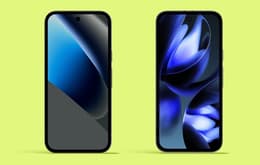
Galaxy A23 5G • Unlocked vs Google Pixel 9a • Unlocked

  • 1-year warranty
  • Free standard shipping
  • Free 30-day returns
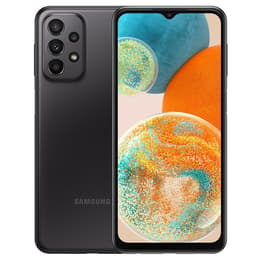
Galaxy A23 5G • Unlocked
Starting at

Refurbished price:$103.00

Versus $219.98 new

See options
Google Pixel 9a • Unlocked
Starting at

Refurbished price:$325.00

Versus $499.00 new

See options

Differences at a glance

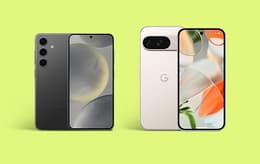
The Samsung Galaxy A23 5G (2022) and the Google Pixel 9a (2025) represent two different tiers and generations of everyday smartphones, providing accessible technology for daily communication and media. While the Galaxy A23 5G focuses on delivering core connectivity and essential features at a foundational level, the Google Pixel 9a introduces modern processing capabilities, refined design elements, and advanced software features. Both devices run on the Android operating system, though they offer distinct interface styles and update schedules. Choosing between these smartphones depends entirely on whether a user prioritizes foundational connectivity or more advanced processing power and long-term software support.

Available Models

Color

Storage

Scores

Durability

When examining longevity and durability, the two models differ significantly due to their release years and manufacturer support timelines, making the quality-assured refurbished option a sustainable choice for extending device lifecycles.

  • Software support duration: The Google Pixel 9a benefits from an extended multi-year update schedule covering both system upgrades and security patches, whereas the older Galaxy A23 5G operates closer to the middle of its designated support lifecycle.
  • Repairability and physical endurance: Both devices feature standard plastic or reinforced builds designed to withstand daily wear, with accessible components that facilitate standard repairs through certified service channels.

Release Year

2022

2025

OS

Android

Android

Foldable

No

No

Performance

Underneath the surface, these two smartphones handle everyday applications, multitasking, and battery consumption differently based on their respective internal hardware.

  • Everyday speed and multitasking: The Google Pixel 9a handles demanding apps, heavy multitasking, and seamless navigation with noticeable fluidity, while the Galaxy A23 5G manages standard messaging, web browsing, and social media reliably without advanced performance overhead.
  • Battery behavior and storage: Both devices are equipped to last through a full day of mixed moderate usage, though users streaming video or playing games heavily will notice distinct power management profiles and storage configurations tailored to their respective device generations.

Screen quality

The viewing experience on each device is shaped by different display technologies, brightness thresholds, and panel refresh rates.

  • Display technology and clarity: The Google Pixel 9a utilizes a vibrant OLED panel that delivers deep contrast levels and rich color reproduction, whereas the Galaxy A23 5G features a standard LCD screen with clear text and consistent brightness for indoor reading.
  • Motion smoothness and outdoor visibility: High refresh rate support on the Google Pixel 9a ensures fluid scrolling through web pages and menus, and its elevated peak brightness helps maintain screen visibility under direct sunlight compared to the more modest brightness output of the Galaxy A23 5G.

Resolution

1080 x 2408

1080x2424

Screen type

PLS LCD

P-OLED

Audiovisual

Multimedia capabilities, photography output, and audio delivery vary noticeably between the two models due to differing sensor hardware and image processing software.

  • Photography and low-light performance: The Google Pixel 9a leverages advanced computational photography to capture detailed images in challenging low-light environments, while the Galaxy A23 5G provides reliable snapshots for casual daylight documentation using its multi-lens rear camera array.
  • Video and audio output: Video stabilization and internal microphone clarity favor the newer Google Pixel 9a for vlogging or video calls, whereas both devices offer single or stereo speaker setups adequate for casual media consumption and speakerphone use.

Miscellaneous

Practical physical characteristics, connection standards, and security features round out the daily user experience for both smartphones.

  • Connectivity and ports: Both models support modern 5G networks and Wi-Fi standards for fast data transfers, utilizing a reversible USB Type-C port for charging and data synchronization alongside standard Bluetooth connectivity.
  • Physical dimensions and security: The Google Pixel 9a and Galaxy A23 5G incorporate secure authentication methods such as facial recognition and fingerprint sensors, packed into frames that balance screen size with comfortable pocketability and weight distribution.

Weight

6 oz

6 oz

Screen size (inches)

6.6

6.3

Network

5G

5G

SIM card

Physical SIM

Physical SIM + eSIM

Carrier compatibility

Unlocked

Unlocked

What the community thinks

User feedback from online forums highlights distinct preferences for each device based on daily usage habits. Users frequently praise the Google Pixel 9a for its responsive system performance, reliable long-term software updates, and advanced photography capabilities in various lighting conditions. At the same time, users note that the device sits at a modern technical tier requiring a willingness to adopt newer hardware ecosystems. Conversely, users appreciate the Galaxy A23 5G for offering straightforward, essential smartphone functionality without unnecessary complexity, though some point out its more basic screen technology and modest processing speeds during heavy workloads.

Users prioritizing advanced photography, fluid display performance, and extended software longevity will find the Google Pixel 9a well-suited to their needs. Meanwhile, users seeking a dependable device for basic communication, calling, and light web browsing may prefer the simpler approach of the Galaxy A23 5G. Choosing a quality-assured refurbished option for either model provides an eco-friendly alternative that reduces electronic waste while delivering fully tested hardware. Ultimately, the decision rests on matching personal daily tasks with the specific strengths of each smartphone.
Our recent comparisons