
Galaxy S10 • Unlocked vs iPhone 12 mini • Unlocked

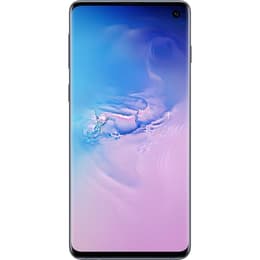
Galaxy S10 • Unlocked
Starting at

Refurbished price:$148.00

Versus $669.00 new

See options
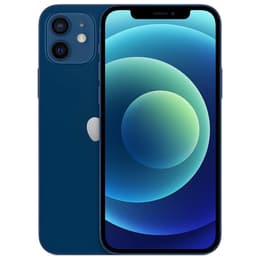
iPhone 12 mini • Unlocked
Starting at

Refurbished price:$149.00

Versus $459.00 new

See options

Ratings

The Samsung Galaxy S10, released in March 2019, and the iPhone 12 Mini, launched in November 2020, represent distinct approaches to smartphone design and user experience. While the Galaxy S10 offers a larger display and a versatile Android operating system, the iPhone 12 Mini provides a compact form factor with Apple's iOS ecosystem. These differences cater to varying user preferences, particularly in screen size, camera capabilities, and software longevity.

Scores

Durability

When considering the practical lifespan of these devices, several factors come into play, including their release timelines, software support, and physical durability features.

  • Release Timeline: The Galaxy S10 was released in March 2019, making it an older device compared to the iPhone 12 Mini, which launched in November 2020. This difference in release date directly impacts their remaining software support.
  • OS Support Duration: The iPhone 12 Mini, running iOS, typically receives software updates for a longer period than Android devices like the Galaxy S10. The Galaxy S10 launched with Android 9 and was upgradable to Android 12, while the iPhone 12 Mini launched with iOS 14 and is upgradable to iOS 17 and beyond. This means the iPhone 12 Mini will likely receive security patches and new features for a longer duration.
  • Physical Durability: Both devices feature robust build materials. The Galaxy S10 utilizes Corning Gorilla Glass 6 on the front and Gorilla Glass 5 on the back, along with an IP68 rating for water and dust resistance. The iPhone 12 Mini features Apple's Ceramic Shield on the front, which is described as having improved drop performance, and also carries an IP68 rating for water and dust resistance.

Release Year

2019

2020

Last OS Compatibility

No

Yes

OS

Android

iOS

Foldable

No

No

Performance

The performance of a smartphone is crucial for daily tasks, from launching applications to managing multiple processes simultaneously. Both the Galaxy S10 and iPhone 12 Mini offer capable performance for their respective generations.

  • System Responsiveness: The iPhone 12 Mini is equipped with a processor designed for efficient handling of demanding applications and smooth multitasking. The Galaxy S10, while older, also features a powerful octa-core processor that allows it to run games and heavy applications effectively.
  • Battery Behavior: The iPhone 12 Mini has a smaller battery capacity, which can lead to more frequent charging for heavy users, with some tests indicating around 7 to 8 hours of heavy use or about 10 hours of streaming video. The Galaxy S10, with a larger battery, generally offers a full day of use for many users, with some reports indicating 5-6 hours of screen-on time on an average day.
  • Storage Options: The Galaxy S10 was available with internal storage options starting from 128GB, with some variants offering up to 1TB, and also included a microSD card slot for expandable storage. The iPhone 12 Mini offers internal storage options of 64GB, 128GB, and 256GB, without expandable storage.

Memory (GB)

8 GB

4 GB

Screen quality

The display is a primary interface for smartphone interaction, and both devices offer high-quality viewing experiences with distinct characteristics.

  • Display Technology and Clarity: The Galaxy S10 features a 6.1-inch Dynamic AMOLED display with a resolution of 3040 x 1440 pixels, resulting in a high pixel density. This display supports HDR10+ and offers excellent color expression and contrast. The iPhone 12 Mini has a smaller 5.4-inch Super Retina XDR OLED display with a resolution of 2340 x 1080 pixels, providing a sharp image with vibrant colors and deep blacks.
  • Brightness and Outdoor Visibility: Both phones offer good brightness levels. The Galaxy S10's Dynamic AMOLED display can reach a peak luminance of 1215 nits, ensuring good visibility even under bright conditions. The iPhone 12 Mini's OLED display has a typical maximum brightness of 625 nits, with a peak brightness of 1200 nits for HDR content.
  • Screen Size and Viewing Experience: The Galaxy S10 provides a larger, more expansive viewing area due to its 6.1-inch screen, which is beneficial for media consumption and multitasking. The iPhone 12 Mini's 5.4-inch display is designed for users who prefer a more compact device that is easy to operate with one hand, while still offering an edge-to-edge viewing experience.

Resolution

1440 x 3040

1080 x 2340

Screen type

Dynamic AMOLED

Super Retina XDR OLED

Audiovisual

Both the Galaxy S10 and iPhone 12 Mini offer capable camera systems, though they approach mobile photography with different hardware configurations and software processing.

  • Rear Camera Systems: The Galaxy S10 features a versatile triple-lens rear camera setup, including a 12MP wide-angle lens, a 12MP telephoto lens with optical zoom, and a 16MP ultrawide lens. This configuration provides flexibility for various shooting scenarios, from zoomed-in shots to expansive landscapes. The iPhone 12 Mini comes with a dual 12MP camera system on the rear, comprising a wide and an ultrawide lens.
  • Photography Performance: The Galaxy S10's camera is noted for capturing detailed photos with good dynamic range and vibrant, Instagram-ready colors, performing well in both mixed and low-light conditions. The iPhone 12 Mini's camera system, which is the same as the larger iPhone 12, delivers excellent photos with improved detail and low-light performance over previous models, and includes Night mode across all cameras.
  • Video Recording: Both devices are capable of high-quality video recording. The Galaxy S10 can record 4K video at 60 frames per second and also supports HDR10+ video recording. The iPhone 12 Mini can record 4K video at up to 60 frames per second and supports Dolby Vision HDR recording.

Main camera

12 megapixels

12 megapixels

Front camera

10 megapixels

12 megapixels

Miscellaneous

Beyond core features, several practical elements contribute to the overall user experience and differentiate these two smartphones.

  • Connectivity and Ports: The Galaxy S10 supports Wi-Fi 6 and Bluetooth 5.0, and notably includes a 3.5mm headphone jack, which is absent in many newer smartphones. It charges via USB-C. The iPhone 12 Mini supports 5G cellular communications, Wi-Fi 6, and Bluetooth 5.0. It uses Apple's proprietary Lightning port for charging and data transfer.
  • Biometric Security: The Galaxy S10 features an ultrasonic in-screen fingerprint reader for secure unlocking and authentication. The iPhone 12 Mini relies on Face ID, Apple's facial recognition system, for biometric security.
  • Dimensions and Handling: The Galaxy S10 measures 149.9 x 70.4 x 7.8 mm and weighs 157 grams, offering a comfortable grip for its screen size. The iPhone 12 Mini is significantly more compact and lighter, measuring 131.5 x 64.2 x 7.4 mm and weighing 135 grams, making it one of the smallest and lightest premium phones available.

Weight

6 oz

7 oz

Screen size (inches)

6.1

5.4

Network

LTE

5G

SIM card

Physical SIM

Physical SIM + eSIM

Carrier compatibility

Unlocked

Unlocked

The Samsung Galaxy S10 and iPhone 12 Mini cater to different user priorities, reflecting their respective ecosystems and design philosophies. Users often praise the Galaxy S10 for its expansive and vibrant display, versatile triple camera system, and the inclusion of features like a headphone jack and expandable storage. Its Android operating system offers a high degree of customization and flexibility. However, some users note that its software update longevity is shorter compared to Apple devices.

The iPhone 12 Mini is frequently lauded for its exceptionally compact size, making it ideal for one-handed use and fitting into smaller pockets. Its powerful processor ensures smooth performance, and the camera system, while having fewer lenses than the S10, delivers consistent and high-quality results, especially with its Night mode. Criticisms often center on its smaller battery capacity, which may require more frequent charging for heavy users, and the absence of a headphone jack or expandable storage.

Users prioritizing a larger screen, a more versatile camera setup with optical zoom, and the flexibility of the Android ecosystem, along with traditional features like a headphone jack, may find the Galaxy S10 well-suited to their needs. Conversely, users who value a highly compact device, long-term software support, and the streamlined experience of iOS, coupled with strong camera performance in a small package, will likely lean towards the iPhone 12 Mini. Both devices, when considered as quality-assured refurbished options, offer an eco-friendly alternative for consumers seeking reliable technology.

See all articles

Our recent comparisons