
Galaxy S10 • Unlocked vs iPhone 14 Pro Max • Unlocked

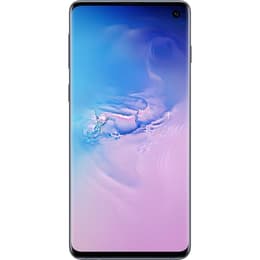
Galaxy S10 • Unlocked
Starting at

Refurbished price:$148.00

Versus $669.00 new

See options
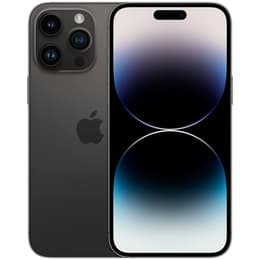
iPhone 14 Pro Max • Unlocked
Starting at

Refurbished price:$414.99

Versus $1,099.00 new

See options

Ratings

The Samsung Galaxy S10, released in March 2019, and the iPhone 14 Pro Max, launched in September 2022, represent different generations and ecosystems within the smartphone market. While both are premium devices from their respective launch periods, they offer distinct experiences driven by their Android and iOS operating systems. The primary differentiators lie in their release timelines, camera capabilities, and overall system performance, reflecting advancements in mobile technology over several years.

Scores

Durability

Comparing the longevity of these two devices involves looking at their release dates, software support, and physical durability.

  • Release Timeline: The Galaxy S10 was released in March 2019, making it a device from an earlier generation. The iPhone 14 Pro Max, launched in September 2022, benefits from a more recent design and newer components.
  • Software Longevity: The Galaxy S10 initially ran Android 9.0 and received major OS updates up to Android 11, with security updates typically extending for a few years beyond that. The iPhone 14 Pro Max, starting with iOS 16, is expected to receive software updates for a longer duration, typically five to six years from its release, extending its functional lifespan.
  • Repairability: The Galaxy S10 received a low repairability score of 3 out of 10 from iFixit, indicating challenges due to extensive adhesive, a soldered USB-C port, and a glued-down battery and in-display fingerprint sensor. While specific repairability scores for the iPhone 14 Pro Max were not readily available, iPhones generally offer moderate repairability, though Apple's ecosystem can present some challenges for independent repairs.

Release Year

2019

2022

Last OS Compatibility

No

Yes

OS

Android

iOS

Foldable

No

No

Performance

The performance of these smartphones reflects the technological advancements between their release years, impacting daily usage from app responsiveness to demanding tasks.

  • System Responsiveness: The iPhone 14 Pro Max, with its more recent internal components, offers a significantly faster and more responsive user experience, handling demanding applications and multitasking with greater ease. The Galaxy S10, while capable for its time, may show signs of slower app loading and less fluid transitions with modern, resource-intensive applications.
  • Multitasking and Storage: Both devices offer various storage configurations, with the iPhone 14 Pro Max extending up to 1TB, providing ample space for large files and applications. The iPhone 14 Pro Max also features 6GB of RAM, contributing to smoother multitasking compared to the Galaxy S10's 8GB, as iOS manages memory differently and often more efficiently.
  • Battery Behavior: The iPhone 14 Pro Max is known for its extended battery life, often lasting through a full day of heavy use, partly due to its larger battery capacity and efficient power management. The Galaxy S10, with a smaller battery and older technology, typically requires more frequent charging, especially for users with high usage patterns.

Memory (GB)

8 GB

6 GB

Screen quality

Both devices feature high-quality OLED displays, but the iPhone 14 Pro Max incorporates newer technologies that enhance the visual experience.

  • Display Technology and Clarity: Both the Galaxy S10 and iPhone 14 Pro Max utilize OLED display technology, offering deep blacks and vibrant colors. The Galaxy S10 features a 6.1-inch Dynamic AMOLED display with a resolution of 3040x1440 pixels. The iPhone 14 Pro Max has a larger 6.7-inch Super Retina XDR OLED display with a resolution of 2796x1290 pixels, providing sharp and clear visuals.
  • Brightness and Smoothness: The iPhone 14 Pro Max offers significantly higher peak brightness, reaching up to 2000 nits for outdoor viewing, making it more legible in bright sunlight. It also features ProMotion technology, providing an adaptive refresh rate up to 120Hz for smoother scrolling and more fluid animations, which can scale down to 1Hz to conserve battery. The Galaxy S10 has a standard refresh rate, which is less fluid in comparison.
  • Screen Design: The iPhone 14 Pro Max introduces the Dynamic Island, an interactive area that replaces the traditional notch and adapts to display alerts and activities. The Galaxy S10 features an Infinity-O display with a punch-hole cutout for the front camera.

Resolution

1440 x 3040

1290 x 2796

Screen type

Dynamic AMOLED

LTPO Super Retina XDR OLED

Audiovisual

The camera systems on both devices were considered advanced for their respective release years, but the iPhone 14 Pro Max benefits from significant technological advancements.

  • Rear Camera System: The Galaxy S10 features a versatile triple-camera setup with a 12MP wide-angle lens, a 12MP telephoto lens with 2x optical zoom, and a 16MP ultrawide lens. The iPhone 14 Pro Max boasts a more advanced Pro camera system, including a 48MP Main camera with second-generation sensor-shift optical image stabilization, a 12MP Ultrawide, and two 12MP Telephoto lenses (2x and 3x optical zoom), offering a 6x optical zoom range.
  • Photography Performance: The iPhone 14 Pro Max excels in low-light photography and overall detail capture, leveraging its larger sensor and advanced image processing. While the Galaxy S10 delivered strong performance in its era, the iPhone 14 Pro Max provides superior image quality, especially in challenging lighting conditions, and offers features like Apple ProRAW for greater editing flexibility.
  • Video Recording and Audio: Both phones support 4K video recording. The iPhone 14 Pro Max offers more advanced video capabilities, including Cinematic mode for shallow depth-of-field effects and Action mode for stabilized handheld footage, along with ProRes video recording. Both devices provide clear audio recording for calls and media, with the iPhone 14 Pro Max generally offering a more refined speaker output for media consumption.

Main camera

12 megapixels

48 megapixels

Front camera

10 megapixels

12 megapixels

Miscellaneous

Beyond core features, several practical elements differentiate the user experience and connectivity options of these two smartphones.

  • Connectivity Standards: The iPhone 14 Pro Max supports 5G cellular networks, offering faster data speeds where available, and features Wi-Fi 6 and Bluetooth 5.3. The Galaxy S10 supports 4G LTE, Wi-Fi 6, and Bluetooth 5.0, with some specific S10 variants offering 5G connectivity. The iPhone 14 Pro Max also includes emergency satellite connectivity.
  • Ports and Biometrics: The Galaxy S10 includes a USB-C port and retains a 3.5mm headphone jack (except for the S10 Lite model), offering broader compatibility with older audio accessories. It features an in-display ultrasonic fingerprint sensor for biometric authentication. The iPhone 14 Pro Max uses a Lightning port and relies on Face ID for secure facial recognition.
  • Design and Build: The iPhone 14 Pro Max is a larger and heavier device, measuring 160.7 x 77.6 x 7.9 mm and weighing 240g, with a stainless steel frame and Ceramic Shield front cover for enhanced durability. The Galaxy S10 is more compact at 149.9 x 70.4 x 7.8 mm and 157g, featuring a glass back and aluminum frame.

Weight

6 oz

8 oz

Screen size (inches)

6.1

6.7

Network

LTE

5G

SIM card

Physical SIM

eSIM

Carrier compatibility

Unlocked

Unlocked

The Samsung Galaxy S10 and iPhone 14 Pro Max cater to different user needs and preferences, largely due to their generational gap and distinct operating systems. Users often praise the Galaxy S10 for its vibrant display, the inclusion of a headphone jack, and its versatile camera system at the time of its release. Common criticisms for the S10, particularly in the current landscape, often revolve around its aging software support and battery degradation over time.

The iPhone 14 Pro Max, on the other hand, receives widespread acclaim for its exceptional performance, advanced camera capabilities, and impressive battery life. Users frequently highlight the fluidity of iOS, the innovative Dynamic Island, and the robust build quality. Some common observations include its larger size and weight, which might not suit all users, and the reliance on the Lightning port rather than USB-C.

For users prioritizing the latest technology, extended software support, and a highly capable camera system for both photos and videos, the iPhone 14 Pro Max is well-suited. Its powerful processing capabilities make it ideal for demanding applications and mobile gaming. Conversely, users who prefer the Android ecosystem, value features like a physical headphone jack, or are seeking a more compact device might find the Galaxy S10 appealing, especially as a quality-assured refurbished option. Evaluating these devices involves considering the importance of long-term software updates versus specific hardware features, and the overall ecosystem preference. Both devices, particularly when considering a refurbished option, offer a path to informed and sustainable choices in mobile technology.


See all articles

Our recent comparisons