Galaxy S20 FE 5G • Unlocked vs iPhone 14 • Unlocked

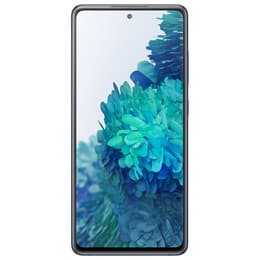
Galaxy S20 FE 5G • Unlocked
Starting at

Refurbished price:$135.00

Versus $903.28 new

See options
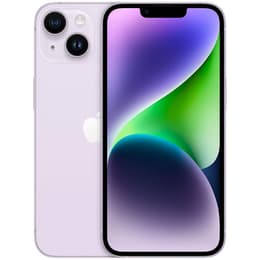
iPhone 14 • Unlocked
Starting at

Refurbished price:$256.00

Versus $629.00 new

See options

Ratings

The Samsung Galaxy S20 FE 5G, released in October 2020, and the Apple iPhone 14, launched in September 2022, represent distinct approaches to smartphone design and functionality. While both offer robust performance and capable camera systems, they differ significantly in their operating systems, core hardware, and user experience philosophies. The Galaxy S20 FE 5G runs on the Android platform, offering a customizable interface, whereas the iPhone 14 operates on Apple's iOS, known for its streamlined ecosystem.

Scores

Durability

The longevity of a smartphone is influenced by its release timeline, software support, and physical resilience. These two devices present different profiles in these areas.

  • Release Timeline: The Galaxy S20 FE 5G was introduced in October 2020, making it a device from an earlier generation compared to the iPhone 14, which arrived in September 2022. This two-year difference in release impacts their respective software support cycles.
  • Software Longevity: The iPhone 14 benefits from Apple's extended software support, typically receiving major iOS updates for five to six years from its release. The Galaxy S20 FE 5G, as an Android device, generally received three to four major Android OS updates and four years of security updates, meaning its major OS update cycle is nearing its conclusion.
  • Physical Durability: Both devices carry an IP68 rating for dust and water resistance, indicating protection against submersion in water. The iPhone 14 features a Ceramic Shield front cover, designed for enhanced drop performance, while the Galaxy S20 FE 5G utilizes Gorilla Glass 3 for screen protection.

Release Year

2020

2022

Last OS Compatibility

No

Yes

OS

Android

iOS

Foldable

No

No

Performance

Evaluating performance involves looking at how each device handles daily tasks, multitasking, and storage needs.

  • Processing Capabilities: The iPhone 14 is equipped with a newer generation processor, which translates to very smooth operation, quick app loading, and efficient handling of demanding applications and games. The Galaxy S20 FE 5G, while still offering capable performance for everyday use and many applications, relies on a processor from an earlier generation.
  • Storage and Multitasking: The iPhone 14 offers storage options up to 512GB, providing ample space for most users, though it does not support expandable storage. The Galaxy S20 FE 5G comes with up to 256GB of internal storage but includes a microSD card slot, allowing users to expand storage significantly, which is a key advantage for those with large media libraries or extensive app collections. Both devices typically feature sufficient RAM for smooth multitasking.
  • Battery Behavior: The Galaxy S20 FE 5G houses a larger battery capacity, which often translates to extended usage times for many users. The iPhone 14, despite having a smaller battery capacity, is optimized for efficient power consumption, allowing it to last through a full day of typical use for many individuals.

Memory (GB)

6 GB

6 GB

Screen quality

The visual experience on a smartphone is largely defined by its display characteristics, and these two models offer distinct viewing experiences.

  • Display Technology and Size: The Galaxy S20 FE 5G features a 6.5-inch Super AMOLED display, providing a larger viewing area. The iPhone 14 comes with a 6.1-inch Super Retina XDR OLED display, offering a more compact form factor. Both OLED technologies deliver deep blacks and vibrant colors.
  • Resolution and Refresh Rate: The iPhone 14 has a higher pixel density, contributing to very sharp text and images. The Galaxy S20 FE 5G, while also offering a clear display, distinguishes itself with a 120Hz refresh rate, which provides noticeably smoother scrolling and more fluid animations compared to the iPhone 14's 60Hz refresh rate.
  • Brightness and Clarity: Both displays offer good brightness levels for comfortable viewing in various lighting conditions. The iPhone 14's display can achieve higher peak brightness, which can be beneficial for outdoor visibility and HDR content.

Resolution

1080 x 2400

1170 x 2532

Screen type

Super AMOLED

Super Retina XDR OLED

Audiovisual

Both devices offer capable camera systems, but with different strengths and features for capturing photos and videos.

  • Rear Camera Systems: The Galaxy S20 FE 5G features a versatile triple-camera setup, including a 12MP wide, 12MP ultrawide, and an 8MP telephoto lens with 3x optical zoom, allowing for detailed zoomed-in shots. The iPhone 14 has a dual-camera system with a 12MP wide and a 12MP ultrawide lens.
  • Photography Features: The iPhone 14 incorporates advanced computational photography features like Photonic Engine for improved low-light performance and Smart HDR 4 for balanced exposures. The Galaxy S20 FE 5G also offers features like Night mode and various shooting modes. The presence of a dedicated telephoto lens on the S20 FE 5G provides a distinct advantage for optical zoom.
  • Video Recording and Front Camera: The iPhone 14 excels in video capabilities with features like Cinematic mode for depth-of-field effects and Action mode for stabilized handheld video. Its 12MP front camera includes autofocus for sharper selfies and video calls. The Galaxy S20 FE 5G offers a high-resolution 32MP front camera and records 4K video.

Main camera

12 megapixels

12 megapixels

Front camera

32 megapixels

12 megapixels

Miscellaneous

Beyond core specifications, several practical elements contribute to the overall user experience.

  • Connectivity and Ports: Both devices support 5G connectivity for fast mobile data. The Galaxy S20 FE 5G uses a USB-C port for charging and data transfer, a widely adopted standard. The iPhone 14 utilizes Apple's proprietary Lightning port.
  • Biometric Security: The iPhone 14 relies on Face ID for secure facial recognition, offering a convenient and robust unlocking method. The Galaxy S20 FE 5G features an optical in-display fingerprint sensor for biometric authentication.
  • Design and Handling: The iPhone 14 is generally more compact and lighter, making it easier for one-handed use and pocketability. The Galaxy S20 FE 5G is a larger and slightly heavier device, which can be preferred by users who enjoy a more expansive screen. The iPhone 14 also includes unique safety features like Crash Detection and Emergency SOS via Satellite.

Weight

6 oz

6 oz

Screen size (inches)

6.5

6.1

Network

5G

5G

SIM card

Physical SIM

eSIM

Carrier compatibility

Unlocked

Unlocked

User feedback for the Galaxy S20 FE 5G often highlights its vibrant 120Hz display, the versatility of its triple camera system with a dedicated telephoto lens, and the convenience of expandable storage via microSD. Its battery life is also frequently praised for lasting through a full day of use. Common criticisms tend to revolve around its software update longevity compared to newer devices and its plastic back construction, which some users perceive as less premium.

The iPhone 14 receives commendation for its powerful performance, ensuring smooth operation across applications and games, and its long-term software support from Apple. Users appreciate its advanced camera features, particularly for video recording, and the added safety features like Crash Detection and Emergency SOS via Satellite. Some common points of discussion include its 60Hz display, which is less fluid than some competitors, and the continued use of the Lightning port.

Users prioritizing a larger, high-refresh-rate display, a dedicated telephoto camera, and the flexibility of expandable storage may find the Galaxy S20 FE 5G well-suited to their needs. Conversely, individuals who value long-term software support, a compact form factor, advanced video capabilities, and cutting-edge safety features will likely lean towards the iPhone 14. Both devices offer a solid smartphone experience, and choosing between them often comes down to individual preferences for operating system, camera features, and display characteristics. For those considering a more sustainable choice, both models are available as quality-assured refurbished options.


See all articles

Our recent comparisons