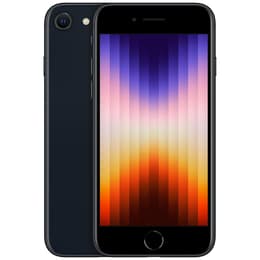

Galaxy S20 FE 5G • Unlocked vs iPhone SE (2022) • Locked AT&T

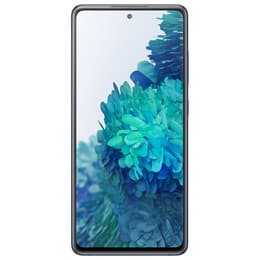
Galaxy S20 FE 5G • Unlocked
Starting at

Refurbished price:$135.00

Versus $903.28 new

See options
iPhone SE (2022) • Locked AT&T
Starting at

Refurbished price:$102.00

Versus $429.00 new

See options

Ratings

The Samsung Galaxy S20 FE 5G, released in October 2020, and the Apple iPhone SE (2022), launched in March 2022, represent distinct approaches to smartphone design and functionality. While the Galaxy S20 FE 5G offers a larger display and a versatile multi-camera system running on Android, the iPhone SE (2022) provides a compact form factor with a powerful processor and the iOS ecosystem. Both devices support 5G connectivity, but they cater to different user preferences in terms of size, operating system experience, and feature sets.

Scores

Durability

When considering the longevity of these devices, their release timelines and software support policies are key factors. The iPhone SE (2022) benefits from a more recent launch, typically translating to a longer period of guaranteed iOS updates compared to its Android counterpart. The Galaxy S20 FE 5G, having been released earlier, has already received several major Android updates.

  • Software Support: The iPhone SE (2022) launched with iOS 15 and is expected to receive software updates for several years, potentially until 2029, offering extended access to new features and security patches. The Galaxy S20 FE 5G, initially running Android 10, was upgradable to Android 12 (One UI 4.1), with some users reporting One UI 5.1. Its major OS updates are likely nearing their end, though security updates may continue for a period.
  • Physical Durability: Both devices offer a degree of water and dust resistance, with the Galaxy S20 FE 5G featuring an IP68 rating and the iPhone SE (2022) an IP67 rating. The Galaxy S20 FE 5G has a glass front with Gorilla Glass 3 protection and a plastic back, while the iPhone SE (2022) uses ion-strengthened glass on both the front and back.
  • Practical Lifespan: Users of the Galaxy S20 FE 5G have reported that the device still performs reliably for daily use several years after its release, especially the Snapdragon variant. The iPhone SE (2022)'s powerful processor and Apple's long-term software commitment suggest it will remain capable for many years, though its battery life might require attention over time.

Release Year

2020

2022

Last OS Compatibility

No

Yes

OS

Android

iOS

Foldable

No

No

Performance

The performance of these two smartphones is influenced by their respective processors and operating system optimizations. While both are capable devices for everyday tasks, they offer different experiences in terms of raw power and multitasking efficiency.

  • Processing Power: The iPhone SE (2022) is equipped with a current-generation processor, which delivers exceptional speed and responsiveness, handling demanding applications and multitasking with ease. The Galaxy S20 FE 5G features a powerful processor that ensures smooth operation for daily use and moderate gaming.
  • System Responsiveness: The iPhone SE (2022) provides a fluid user experience, with apps launching quickly and transitions feeling instantaneous, even with intensive workloads. The Galaxy S20 FE 5G also offers a smooth experience, with users noting its continued good performance for general usage.
  • Storage and Multitasking: The Galaxy S20 FE 5G comes with 6GB or 8GB of RAM and offers storage options of 128GB or 256GB, expandable via a microSD card slot. The iPhone SE (2022) features 4GB of RAM and storage options of 64GB, 128GB, or 256GB, without expandable storage. The larger RAM in the Galaxy S20 FE 5G can be beneficial for extensive multitasking, while the iPhone SE (2022)'s efficient iOS management optimizes its 4GB RAM effectively.

Memory (GB)

6 GB

4 GB

Screen quality

The display is a significant differentiator between these two phones, impacting the visual experience and overall device size. They employ different display technologies and offer varying screen real estate.

  • Display Technology and Size: The Galaxy S20 FE 5G boasts a larger 6.5-inch Super AMOLED display, providing vibrant colors, deep blacks, and excellent contrast. The iPhone SE (2022) features a more compact 4.7-inch Retina HD IPS LCD display, known for its color accuracy and brightness.
  • Resolution and Refresh Rate: The Galaxy S20 FE 5G offers a higher resolution of 1080 x 2400 pixels and a smoother 120Hz refresh rate, which enhances scrolling and animations. The iPhone SE (2022) has a resolution of 750 x 1334 pixels and a standard 60Hz refresh rate.
  • Brightness and Viewing Experience: Both displays offer good brightness for indoor and outdoor viewing. The Super AMOLED panel on the Galaxy S20 FE 5G generally provides a more immersive experience for media consumption due to its size and vibrant output, while the iPhone SE (2022)'s smaller screen is well-suited for one-handed use and users who prefer a more traditional smartphone feel.

Resolution

1080 x 2400

750 x 1334

Screen type

Super AMOLED

Retina IPS LCD

Audiovisual

The camera systems on the Galaxy S20 FE 5G and the iPhone SE (2022) offer different capabilities, with one providing a versatile multi-lens setup and the other focusing on a single, high-quality main sensor.

  • Rear Camera System: The Galaxy S20 FE 5G features a triple-camera array on the rear, including a 12MP wide-angle lens, a 12MP ultrawide lens, and an 8MP telephoto lens with 3x optical zoom. This setup provides flexibility for various photography scenarios. The iPhone SE (2022) has a single 12MP wide-angle rear camera with optical image stabilization.
  • Photography Performance: The Galaxy S20 FE 5G delivers good image quality in various conditions, with its main camera producing bright and detailed photos, and it includes a dedicated Night Mode. The iPhone SE (2022)'s single camera performs well in good lighting, capturing accurate colors and details, but it notably lacks a Night Mode, which can impact low-light performance.
  • Video Recording and Front Camera: Both phones are capable of recording 4K video at 60 frames per second. The Galaxy S20 FE 5G has a 32MP front-facing camera, while the iPhone SE (2022) features a 7MP front camera. Both are suitable for video calls and selfies, though the Galaxy S20 FE 5G offers higher resolution for front-facing shots.

Main camera

12 megapixels

12 megapixels

Front camera

32 megapixels

7 megapixels

Miscellaneous

Beyond the core features, several practical elements contribute to the overall user experience of these devices, including their connectivity, physical design, and unique functionalities.

  • Connectivity and Ports: Both smartphones support 5G connectivity and Wi-Fi 6 for fast wireless internet. The Galaxy S20 FE 5G uses a USB Type-C 3.2 port, while the iPhone SE (2022) utilizes Apple's proprietary Lightning port. Neither device includes a traditional 3.5mm headphone jack.
  • Biometric Security and Design: The iPhone SE (2022) retains the classic home button with Touch ID for fingerprint authentication, offering a familiar and reliable unlocking method. The Galaxy S20 FE 5G features an optical in-display fingerprint sensor. The Galaxy S20 FE 5G has a larger form factor (159.8 x 74.5 x 8.4 mm, 190g), while the iPhone SE (2022) is more compact (138.4 x 67.3 x 7.3 mm, 144g), making it easier for one-handed use.
  • Build Materials and Features: The Galaxy S20 FE 5G combines a glass front with a plastic back and an aluminum frame. The iPhone SE (2022) features glass on both the front and back, encased in an aluminum frame. Both devices offer wireless charging capabilities.

Weight

6 oz

3 oz

Screen size (inches)

6.5

4.7

Network

5G

5G

SIM card

Physical SIM

Physical SIM + eSIM

Carrier compatibility

Unlocked

AT&T

The Samsung Galaxy S20 FE 5G and the iPhone SE (2022) cater to different user priorities, each excelling in distinct areas. Users frequently praise the Galaxy S20 FE 5G for its vibrant, high-refresh-rate AMOLED display and its versatile camera system, particularly the inclusion of an ultrawide and telephoto lens. Its battery life is generally considered good, often lasting a full day even with the 120Hz display enabled. Some users, however, have noted that its software update longevity might be a concern compared to newer devices.

The iPhone SE (2022) is consistently lauded for its exceptional processing power, which ensures smooth performance across all tasks and extends its usable lifespan significantly. Its compact size and the familiar Touch ID home button are also strong points for users who prefer a smaller device or a traditional iPhone experience. Criticisms often revolve around its dated design with large bezels, the absence of Night Mode in its camera, and its comparatively smaller battery capacity, which can lead to more frequent charging for heavy users.

Users prioritizing a large, high-quality display, a flexible multi-camera setup, and expandable storage may find the Galaxy S20 FE 5G well-suited to their needs. Conversely, individuals who value a compact form factor, industry-leading processing power, long-term software support, and the iOS ecosystem will likely lean towards the iPhone SE (2022). Both devices offer a quality-assured refurbished option, providing an eco-friendly alternative for consumers seeking reliable technology.

See all articles

Our recent comparisons