
Galaxy S21 5G • Unlocked vs iPhone 11 Pro • Unlocked

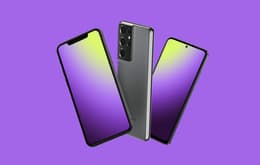
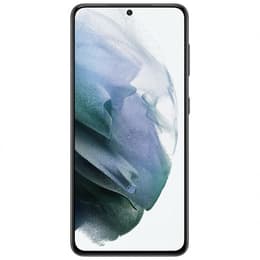
Galaxy S21 5G • Unlocked
Starting at

Refurbished price:$132.99

Versus $1,000.00 new

See options
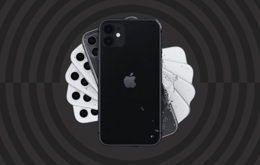
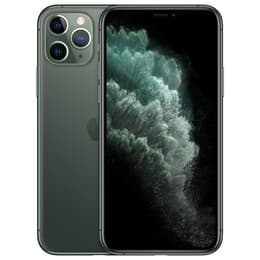
iPhone 11 Pro • Unlocked
Starting at

Refurbished price:$200.00

Versus $749.00 new

See options

Ratings

The Samsung Galaxy S21 5G, released in January 2021, and the Apple iPhone 11 Pro, launched in September 2019, represent different generations and operating systems within the smartphone landscape. While both devices offer premium experiences, they cater to varying user preferences through their distinct approaches to display technology, camera systems, and overall ecosystem. The Galaxy S21 5G operates on Android, offering a customizable interface, whereas the iPhone 11 Pro runs on Apple's iOS, known for its integrated services and user experience.

Scores

Durability

When considering the long-term usability of these devices, their release timelines and software support are key factors.

  • Release Timeline: The iPhone 11 Pro was introduced in September 2019, making it an older device compared to the Galaxy S21 5G, which launched in January 2021. This difference in release year impacts their remaining software support cycles.
  • OS Support Duration: The Galaxy S21 5G, having launched with Android 11, is expected to receive major Android OS updates up to Android 15, which was released in April 2025, marking its final major OS upgrade. Security updates for the S21 series are generally provided for five years, extending until early 2026. The iPhone 11 Pro, originally on iOS 13, has received updates up to iOS 17, and given Apple's typical support, iOS 17 or potentially iOS 18 would likely be its last major OS update, offering a substantial lifespan for its operating system.
  • Physical Durability: Both devices feature IP68 ratings for water and dust resistance, indicating protection against immersion. The Galaxy S21 5G utilizes Gorilla Glass Victus on the front and a plastic back with an aluminum frame. In contrast, the iPhone 11 Pro features glass on both the front and back, reinforced by a stainless steel frame, which contributes to its robust feel.

Release Year

2021

2019

Last OS Compatibility

Yes

Yes

OS

Android

iOS

Foldable

No

No

Performance

The performance of a smartphone is crucial for daily tasks, from app usage to demanding multimedia. Both devices offer capable performance for their respective generations.

  • Processing Power: The Galaxy S21 5G is equipped with a processor designed to handle demanding applications and multitasking smoothly, supported by 8GB of RAM. This configuration allows for efficient operation across various tasks. The iPhone 11 Pro, while having 4GB of RAM, benefits from Apple's optimized software, enabling it to deliver strong performance and responsiveness for everyday use and gaming.
  • Storage Options: The Galaxy S21 5G is available with 128GB or 256GB of internal storage. The iPhone 11 Pro offers more varied storage capacities, including 64GB, 256GB, and 512GB options, providing flexibility for users with different storage needs.
  • Battery Behavior: The Galaxy S21 5G houses a 4000 mAh battery. Some users have reported instances of faster battery drain or heating with the S21 series. The iPhone 11 Pro, with a 3046 mAh battery, is often praised by users for its efficient power management, frequently lasting a full day or more on a single charge for many users.

Memory (GB)

8 GB

4 GB

Screen quality

The visual experience is a primary interaction point for smartphones, and both devices offer high-quality displays with distinct characteristics.

  • Display Technology and Size: The Galaxy S21 5G features a larger 6.2-inch Dynamic AMOLED 2X display, providing vibrant colors and deep blacks. The iPhone 11 Pro comes with a more compact 5.8-inch Super Retina XDR OLED display, also known for its excellent color reproduction and contrast.
  • Resolution and Clarity: The Galaxy S21 5G offers a resolution of 1080 x 2400 pixels, resulting in a pixel density of approximately 421 pixels per inch (PPI). The iPhone 11 Pro has a resolution of 1125 x 2436 pixels, achieving a higher pixel density of around 458 PPI on its smaller screen, contributing to sharp image quality.
  • Refresh Rate and Brightness: A notable difference is the refresh rate; the Galaxy S21 5G boasts a 120Hz refresh rate, which provides smoother scrolling and more fluid animations. The iPhone 11 Pro maintains a standard 60Hz refresh rate. Both displays offer high brightness levels, with the S21 5G reaching up to 1300 nits peak brightness and the iPhone 11 Pro up to 1200 nits peak brightness for HDR content, ensuring good visibility in various lighting conditions.

Resolution

1080 x 2400

1125 x 2436

Screen type

Dynamic AMOLED 2X

Super Retina XDR OLED

Audiovisual

Both smartphones feature advanced camera systems designed to capture high-quality photos and videos, though with different specifications and user experiences.

  • Rear Camera Systems: The Galaxy S21 5G is equipped with a versatile triple-camera setup, including a 12MP main sensor, a 64MP telephoto lens offering 3x hybrid zoom, and a 12MP ultrawide lens. The iPhone 11 Pro also features a triple-camera system, consisting of a 12MP main, 12MP telephoto with 2x optical zoom, and a 12MP ultrawide lens.
  • Photography Performance: Both devices excel in everyday photography. The iPhone 11 Pro is particularly noted for its consistent image quality across all lenses and its effective Night mode for low-light conditions. The Galaxy S21 5G also includes a Night mode and offers a wider range of zoom capabilities. Some S21 users have reported issues with autofocus getting stuck.
  • Video Recording and Audio: The Galaxy S21 5G supports video recording up to 8K resolution at 24 frames per second (fps), along with 4K at 30/60fps. The iPhone 11 Pro records video at up to 4K resolution at 60fps, and is highly praised for its video stabilization and consistent exposure changes across its lenses, making it a strong choice for video capture. Both phones feature stereo speakers for an enhanced audio experience during media consumption.

Main camera

12 megapixels

12 megapixels

Front camera

10 megapixels

12 megapixels

Miscellaneous

Beyond core features, several practical elements differentiate these two devices, impacting daily convenience and user interaction.

  • Connectivity and Ports: A significant distinction is network capability; the Galaxy S21 5G supports 5G connectivity, offering faster mobile data speeds in compatible areas. The iPhone 11 Pro is limited to 4G LTE networks. For charging and data transfer, the Galaxy S21 5G uses a USB-C port, while the iPhone 11 Pro utilizes Apple's proprietary Lightning port.
  • Biometric Security: The Galaxy S21 5G incorporates an ultrasonic fingerprint sensor embedded within the display for secure unlocking. The iPhone 11 Pro relies on Face ID, Apple's facial recognition system, for biometric authentication.
  • Physical Design and Handling: The Galaxy S21 5G measures 151.7 x 71.2 x 7.9 mm and weighs 169 grams. It features a plastic back and an aluminum frame. The iPhone 11 Pro is slightly more compact at 144 x 71.4 x 8.1 mm but heavier at 188 grams, attributed to its stainless steel frame and glass back. The iPhone's smaller size may appeal to users preferring one-handed operation, while its weight gives it a dense, premium feel.

Weight

7 oz

7 oz

Screen size (inches)

6.2

5.8

Network

5G

LTE

SIM card

Physical SIM + eSIM

Physical SIM + eSIM

Carrier compatibility

Unlocked

Unlocked

The Samsung Galaxy S21 5G and the iPhone 11 Pro each offer a compelling smartphone experience, tailored to different priorities. User feedback for the Galaxy S21 5G often highlights its vibrant 120Hz display, 5G capabilities, and versatile camera system as strong points. However, some users have noted concerns regarding battery life, occasional software glitches, and heating issues. The iPhone 11 Pro is frequently praised for its consistent camera performance, particularly its video capabilities and Night mode, as well as its robust build quality and optimized battery life. Common criticisms for the iPhone 11 Pro include its lack of 5G connectivity, the use of the Lightning port instead of USB-C, and a 60Hz display.

Users prioritizing a larger, high-refresh-rate display for smoother visuals, along with access to 5G networks and a camera system with greater zoom flexibility, may find the Galaxy S21 5G better suited to their needs. Conversely, individuals who value a more compact device, exceptional video recording, consistent photography across lenses, and the integrated experience of the iOS ecosystem will likely lean towards the iPhone 11 Pro. Both devices, especially as quality-assured refurbished options, present an eco-friendly alternative for consumers seeking advanced smartphone technology without purchasing new.


See all articles

Our recent comparisons