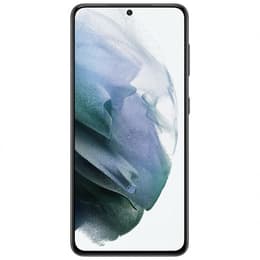
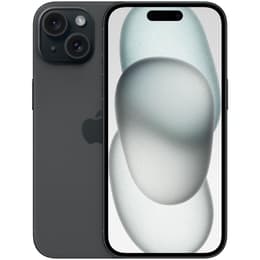

Galaxy S21 5G • Unlocked vs iPhone 15 • Locked AT&T

Galaxy S21 5G • Unlocked
Starting at

Refurbished price:$132.99

Versus $1,000.00 new

See options
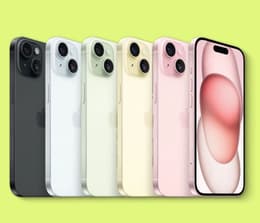
iPhone 15 • Locked AT&T
Starting at

Refurbished price:$348.00

Versus $729.00 new

See options

Ratings

The Samsung Galaxy S21 5G, released in January 2021, and the iPhone 15, launched in September 2023, represent different generations of flagship smartphones from their respective manufacturers. While both offer robust mobile experiences, the iPhone 15 benefits from more recent technological advancements, particularly in its camera system and processing power, while the Galaxy S21 5G provides a compelling Android alternative with a strong feature set from its release year. Both devices run on their respective operating systems, Android for the Galaxy S21 5G and iOS for the iPhone 15, offering distinct user interfaces and app ecosystems.

Scores

Durability

When considering the practical lifespan of these devices, several factors come into play, including their release dates and expected software support.

  • Release Timeline: The Galaxy S21 5G was released in January 2021, making it an older model compared to the iPhone 15, which launched in September 2023. This difference in release date means the iPhone 15 will generally receive software updates for a longer period.
  • Software Longevity: Apple typically provides iOS updates for approximately 5-7 years, with the iPhone 15 expected to receive updates until around 2035. Samsung generally offers 4-5 years of Android OS updates and 5 years of security updates for its flagship devices, meaning the Galaxy S21 5G is nearing the end of its major OS update cycle.
  • Repairability: The Galaxy S21 5G generally has a good repairability score, with some sources indicating it's relatively easy to disassemble and replace parts, scoring around 7.5-8.2 out of 10. The iPhone 15, while showing improvements in repairability compared to some previous iPhone models, received a score of 4 out of 10 from iFixit, primarily due to component pairing challenges.

Release Year

2021

2023

Last OS Compatibility

Yes

Yes

OS

Android

iOS

Foldable

No

No

Performance

Both smartphones deliver capable performance for daily tasks, though the newer iPhone 15 benefits from a more recent processor generation.

  • Processing Power: The iPhone 15 features a more current-generation processor, which translates to smoother performance for demanding applications, faster app loading times, and more efficient handling of complex tasks. The Galaxy S21 5G, while still offering a powerful processor from its release year, may show slight differences in speed and efficiency with the most intensive modern applications.
  • Multitasking and Responsiveness: Both devices are designed to handle multitasking effectively. The Galaxy S21 5G typically comes with 8GB of RAM, which supports smooth transitions between multiple open applications. The iPhone 15, with its optimized iOS ecosystem and efficient processor, provides a fluid user experience even with 6GB of RAM.
  • Storage Options: Both models offer various storage configurations to suit different user needs. The Galaxy S21 5G is available with 128GB or 256GB of internal storage. The iPhone 15 offers more flexibility with 128GB, 256GB, and 512GB options.

Memory (GB)

8 GB

6 GB

Screen quality

The display experience on both devices is vibrant and clear, though they utilize different technologies and refresh rates.

  • Display Technology and Clarity: The Galaxy S21 5G features a 6.2-inch Dynamic AMOLED 2X display, offering deep blacks and vibrant colors with a resolution of 1080 x 2400 pixels. The iPhone 15 comes with a 6.1-inch Super Retina XDR OLED display, providing excellent contrast and color accuracy at a resolution of 2556 x 1179 pixels.
  • Brightness and Outdoor Visibility: Both phones offer high peak brightness levels for good visibility in various lighting conditions. The Galaxy S21 5G can reach up to 1300 nits peak brightness. The iPhone 15 offers a higher peak outdoor brightness of up to 2000 nits, making it particularly well-suited for bright sunlight.
  • Refresh Rate: A key difference lies in the refresh rate. The Galaxy S21 5G boasts a 120Hz adaptive refresh rate, which provides a smoother scrolling experience and more fluid animations. The iPhone 15 maintains a standard 60Hz refresh rate.

Resolution

1080 x 2400

1179 x 2556

Screen type

Dynamic AMOLED 2X

Super Retina XDR OLED

Audiovisual

Both smartphones offer capable camera systems for capturing photos and videos, with the iPhone 15 featuring a more advanced main sensor.

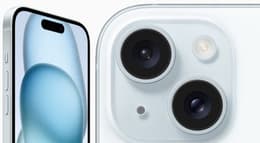
  • Main Camera System: The Galaxy S21 5G includes a versatile triple-camera setup with a 12 MP wide, 64 MP telephoto (with 3x hybrid optical zoom), and a 12 MP ultrawide lens. The iPhone 15 features an advanced dual-camera system with a 48 MP main sensor that also enables a 2x telephoto option, alongside a 12 MP ultrawide camera.
  • Photography Performance: The iPhone 15's larger main sensor and advanced image processing contribute to improved detail, dynamic range, and low-light performance, often producing accurate colors. The Galaxy S21 5G's camera system is praised for its versatility and good performance in well-lit conditions, with users noting its ability to capture sharp photos and detailed landscapes. Some users of the S21 have expressed mixed feelings about its camera quality compared to other devices from its era.
  • Video Recording: Both devices offer high-quality video recording. The Galaxy S21 5G supports 8K video recording. The iPhone 15 offers 4K video recording with features like Cinematic mode and Dolby Vision HDR.

Main camera

12 megapixels

48 megapixels

Front camera

10 megapixels

12 megapixels

Miscellaneous

Beyond core features, several practical elements differentiate these two devices in terms of connectivity, physical design, and user interaction.

  • Connectivity and Ports: Both phones support 5G connectivity. The iPhone 15 has transitioned to a USB-C port, offering universal charging and data transfer capabilities. The Galaxy S21 5G also uses a USB-C port. The iPhone 15 supports Wi-Fi 6, while the Galaxy S21 5G supports Wi-Fi 6.
  • Biometric Security: The Galaxy S21 5G features an ultrasonic under-display fingerprint sensor and face recognition for secure unlocking. The iPhone 15 relies on Face ID, Apple's facial recognition system.
  • Design and Handling: The iPhone 15 features a durable color-infused glass back and aluminum design with Ceramic Shield front cover, weighing 171 grams. The Galaxy S21 5G has a glass front and back (Gorilla Glass Victus) with an aluminum frame, weighing 169-171 grams. Both devices carry an IP68 rating for dust and water resistance.

Weight

7 oz

171 oz

Screen size (inches)

6.2

6.1

Network

5G

5G

SIM card

Physical SIM + eSIM

eSIM

Carrier compatibility

Unlocked

AT&T

The Samsung Galaxy S21 5G and iPhone 15 cater to users with varying priorities and preferences within the smartphone market. The Galaxy S21 5G, released earlier, is often praised by users for its versatile camera system, particularly its telephoto capabilities, and its vibrant 120Hz AMOLED display, which offers a very smooth visual experience. Some users, however, have noted that its battery life can be inconsistent with heavy usage, and camera processing can sometimes lead to less natural-looking photos compared to competitors. Its repairability is generally considered good, which can be a significant advantage for long-term ownership.

The iPhone 15, as a more recent release, is frequently lauded for its robust performance, thanks to its advanced processor, and its significantly improved main camera, which delivers detailed and color-accurate photos, especially in challenging lighting conditions. Users also appreciate its enhanced battery efficiency, often reporting all-day usage, and the adoption of the universal USB-C port. Criticisms sometimes point to its standard 60Hz display refresh rate, which some users find less fluid than higher refresh rate screens on other devices. Its repairability, while improved over some predecessors, still presents challenges for independent repairs.

Users prioritizing a high refresh rate display and a more open Android ecosystem might lean towards the Galaxy S21 5G, especially if they value its strong repairability. Those who prioritize cutting-edge camera performance, extended software support, and the streamlined iOS experience will find the iPhone 15 well-suited to their needs. Both devices, whether new or as quality-assured refurbished options, offer reliable performance and features for everyday use.

See all articles

Our recent comparisons