
Galaxy S22 5G • Unlocked vs iPhone 11 • Unlocked

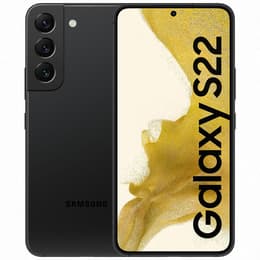
Galaxy S22 5G • Unlocked
Starting at

Refurbished price:$148.99

Versus $579.00 new

See options
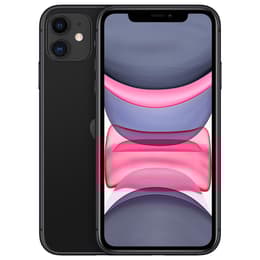
iPhone 11 • Unlocked
Starting at

Refurbished price:$152.00

Versus $499.00 new

See options

Ratings

The Samsung Galaxy S22 5G (released February 2022) and the Apple iPhone 11 (released September 2019) are two distinct smartphones from different ecosystems, offering varied user experiences. While the Galaxy S22 runs on Android with Samsung's One UI, the iPhone 11 operates on Apple's iOS platform. The primary differentiators between these two models lie in their display technology, camera capabilities, and overall performance, reflecting the technological advancements over their respective release years.

Scores

Durability

When considering the longevity of these devices, their release timelines and software support policies are key factors. The iPhone 11, launched in September 2019, has received consistent iOS updates, with Apple typically providing major iOS updates for around 5-7 years. It is expected to support iOS 26, with security updates continuing for a period after that. The Galaxy S22, released in February 2022, benefits from Samsung's commitment to providing up to four years of Android OS updates and five years of security patches. This means the S22 series received its final major Android OS update (Android 16/One UI 8) in late 2025, with security updates expected to continue until early 2027.

  • Software Longevity: The iPhone 11, despite its earlier release, is projected to receive major iOS updates until late 2026, with security patches extending beyond that. The Galaxy S22 has reached its final major Android OS update as of late 2025, with security updates continuing until early 2027.
  • Repairability: The iPhone 11 generally has a moderate repairability score, with iFixit giving it a 6 out of 10, noting that critical display and battery repairs are prioritized in its design. The Galaxy S22, however, received a lower repairability score of 3 out of 10 from iFixit, primarily due to the extensive use of strong adhesive, making battery and screen replacements challenging.
  • Expected Practical Lifespan: Both devices are built with durable materials and IP68 water and dust resistance. The iPhone 11's glass front and back are paired with an aluminum frame, while the Galaxy S22 features Gorilla Glass Victus+ on both sides and an Armor Aluminum frame, offering enhanced drop and scratch resistance.

Release Year

2022

2019

Last OS Compatibility

Yes

Yes

OS

Android

iOS

Foldable

No

No

Performance

The performance of the Galaxy S22 and iPhone 11 reflects the advancements in mobile processing technology over their respective release periods. The Galaxy S22, being a newer device, offers a more responsive and capable experience for demanding applications and multitasking.

  • Processor Capabilities: The Galaxy S22 handles demanding apps and multitasking smoothly, providing a fluid user experience for current-generation software and gaming. The iPhone 11, while still capable for everyday tasks, may show its age with more intensive applications or future software updates.
  • System Responsiveness: Users of the Galaxy S22 can expect quick app loading times and seamless transitions between applications. The iPhone 11 offers a smooth experience for general use, but the Galaxy S22 provides a noticeable edge in overall system responsiveness.
  • Storage Options: Both devices offer various internal storage configurations. The iPhone 11 was available with 64 GB, 128 GB, and 256 GB options. The Galaxy S22 typically comes with 128 GB or 256 GB of internal storage, paired with 8 GB of RAM.
  • Battery Behavior: The Galaxy S22 has a 3700 mAh battery, which some users report requires more frequent charging for heavy use. The iPhone 11, with its 3110 mAh battery, was noted for offering good battery life for its time, often lasting a full day for many users.

Memory (GB)

8 GB

4 GB

Screen quality

The display technologies in the Galaxy S22 and iPhone 11 present a clear distinction in visual experience, with the newer device offering more advanced features.

  • Display Technology: The Galaxy S22 features a Dynamic AMOLED 2X display, known for its deep blacks, vibrant colors, and high contrast. The iPhone 11 utilizes a Liquid Retina IPS LCD, which provides good color accuracy but cannot match the contrast levels of an OLED panel.
  • Resolution and Clarity: The Galaxy S22 offers a higher resolution of 1080 x 2340 pixels on its 6.1-inch screen, resulting in a sharper image. The iPhone 11 has a resolution of 828 x 1792 pixels on its 6.1-inch display.
  • Brightness and Refresh Rate: The Galaxy S22 boasts a 120Hz adaptive refresh rate for smoother scrolling and animations, along with a peak brightness of 1300 nits for better outdoor visibility. The iPhone 11 has a standard 60Hz refresh rate and a typical maximum brightness of 625 nits.
  • Screen Size and Viewing Experience: Both phones feature a 6.1-inch screen size. The Galaxy S22's AMOLED panel and higher refresh rate contribute to a more immersive and fluid viewing experience, particularly for media consumption and gaming.

Resolution

1080 x 2340

828 x 1792

Screen type

Dynamic AMOLED 2X

Liquid Retina IPS LCD

Audiovisual

The camera systems of the Galaxy S22 and iPhone 11 offer different capabilities, reflecting the evolution of smartphone photography. The Galaxy S22 provides a more versatile setup with advanced features.

  • Camera System Capabilities: The Galaxy S22 features a triple-camera system with a 50MP wide lens, a 10MP telephoto lens with 3x optical zoom, and a 12MP ultrawide lens. The iPhone 11 has a dual-camera system, consisting of a 12MP wide lens and a 12MP ultrawide lens.
  • Photography Performance: The Galaxy S22 offers improved low-light performance and enhanced detail, especially with its larger main sensor and telephoto capabilities. The iPhone 11's cameras are known for producing sharp, color-accurate photos in good lighting conditions and introduced a capable Night mode for improved low-light shots.
  • Video Recording Quality: The Galaxy S22 supports 8K video recording at 24fps and 4K at 30/60fps, along with advanced stabilization features. The iPhone 11 records 4K video at up to 60fps, offering solid video quality for its generation.
  • Audio Experience: Both devices offer stereo speakers for media consumption. The Galaxy S22's audio is tuned by AKG. The iPhone 11 provides clear audio output for calls and media.

Main camera

50 megapixels

12 megapixels

Front camera

10 megapixels

12 megapixels

Miscellaneous

Beyond core performance and display, several practical elements differentiate the Galaxy S22 and iPhone 11, impacting daily usability and connectivity.

  • Connectivity Options: The Galaxy S22 supports 5G connectivity, Wi-Fi 6, and Bluetooth 5.2, offering faster network speeds and more efficient wireless connections. The iPhone 11 supports 4G LTE, Wi-Fi 6, and Bluetooth 5.0.
  • Port Types: The Galaxy S22 uses a USB-C port for charging and data transfer. The iPhone 11 features Apple's proprietary Lightning port. Neither device includes a 3.5mm headphone jack.
  • Biometric Security: The Galaxy S22 incorporates an under-display fingerprint sensor and face recognition for secure unlocking. The iPhone 11 relies on Face ID, Apple's facial recognition system.
  • Physical Characteristics: The Galaxy S22 is slightly more compact and lighter, measuring 146 x 70.6 x 7.6 mm and weighing 167g. The iPhone 11 measures 150.9 x 75.7 x 8.3 mm and weighs 194g. Both feature glass front and back with aluminum frames, contributing to a premium feel.

Weight

6 oz

7 oz

Screen size (inches)

6.1

6.1

Network

5G

LTE

SIM card

Physical SIM + eSIM

Physical SIM + eSIM

Carrier compatibility

Unlocked

Unlocked

User feedback for the Samsung Galaxy S22 often praises its compact design, vibrant 120Hz AMOLED display, and capable camera system, particularly its low-light performance and telephoto lens. However, a common criticism revolves around its battery life, with many users reporting that it requires frequent charging, especially under heavy usage. The iPhone 11, despite its age, is frequently lauded for its robust performance for everyday tasks, reliable camera quality, and impressive battery life for its generation. Some users note that its LCD display, while good, doesn't offer the deep blacks and contrast of newer OLED screens, and the lack of 5G connectivity is a consideration in 2026.

Users prioritizing a modern Android experience with a high-refresh-rate OLED display, advanced camera versatility including a telephoto lens, and 5G connectivity will find the Galaxy S22 well-suited to their needs. It offers a more premium feel and a more responsive interface for current applications. Conversely, users who prefer the iOS ecosystem, value consistent software support over a longer period, and prioritize a strong balance of camera performance and battery life for general use may lean toward the iPhone 11. While it lacks 5G and an OLED screen, its overall reliability and continued software updates make it a viable option for those not needing the absolute latest in display or network technology.

For those considering either device, exploring quality-assured refurbished options can provide an eco-friendly alternative to purchasing new, extending the lifespan of these capable smartphones.

See all articles

Our recent comparisons