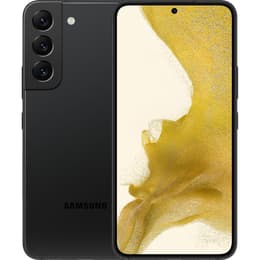
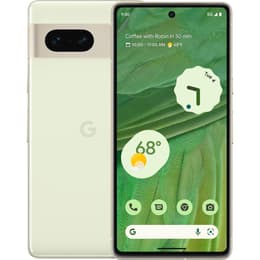

Galaxy S22+ 5G • Locked T-Mobile vs Google Pixel 7 • Unlocked

Galaxy S22+ 5G • Locked T-Mobile
Starting at

Refurbished price:$212.82

Versus $959.99 new

See options
Google Pixel 7 • Unlocked
Starting at

Refurbished price:$185.99

Versus $599.99 new

See options

Ratings

The Samsung Galaxy S22+ 5G, released in February 2022, and the Google Pixel 7, launched in October 2022, are both prominent Android smartphones. While the Galaxy S22+ offers a larger display and a dedicated telephoto camera, the Pixel 7 emphasizes advanced computational photography and a streamlined software experience. Both devices run on the Android operating system, but they offer distinct approaches to user interface and feature sets.

Scores

Durability

When considering the long-term usability of these devices, their release timelines and software support policies are key factors.

  • Release Timeline: The Samsung Galaxy S22+ was released in February 2022, making it slightly older than the Google Pixel 7, which launched in October 2022. This difference in release date impacts their respective software support cycles.
  • Software Longevity: The Galaxy S22+ initially received four major Android OS updates and five years of security updates. As of February 2026, it has transitioned to quarterly security updates, with full support expected to end in early 2027. The Google Pixel 7, on the other hand, is guaranteed five years of both OS and security updates from its release date, extending its support further into the future.
  • Repairability: The Google Pixel 7 generally holds a higher repairability score compared to many Samsung Galaxy models, suggesting it might be somewhat easier to repair if issues arise. Both devices feature an IP68 rating for dust and water resistance, contributing to their overall durability.

Release Year

2022

2022

Last OS Compatibility

Yes

Yes

OS

Android

Android

Foldable

No

No

Performance

The performance of these smartphones is influenced by their internal components and how they handle various tasks.

  • Processing Capabilities: The Galaxy S22+ is equipped with a processor that delivers strong raw performance, particularly beneficial for demanding applications and graphics-intensive gaming. The Pixel 7 features a different processor designed to excel in artificial intelligence tasks and image processing, contributing to its advanced camera features and overall system responsiveness.
  • Multitasking and Responsiveness: Both devices come with 8GB of RAM, which is sufficient for smooth multitasking and running multiple applications simultaneously. Users generally report a fluid experience on both, though some note the Pixel's user interface can feel particularly snappy due to its optimized software.
  • Storage Options: Both the Galaxy S22+ and the Pixel 7 are available with 128GB or 256GB of internal storage, providing ample space for apps, photos, and media. Neither device offers expandable storage via a microSD card.

Memory (GB)

8 GB

8 GB

Screen quality

The visual experience on a smartphone is largely defined by its display characteristics.

  • Display Technology and Size: The Samsung Galaxy S22+ features a 6.6-inch Dynamic AMOLED 2X display, offering vibrant colors and deep blacks. The Google Pixel 7 has a slightly smaller 6.3-inch AMOLED display, also known for its color accuracy.
  • Refresh Rate and Brightness: The Galaxy S22+ provides a smoother scrolling and viewing experience with its 120Hz adaptive refresh rate. The Pixel 7 has a 90Hz refresh rate, which is still fluid but not as high as the S22+. In terms of brightness, the S22+ can reach a peak of 1750 nits, making it highly visible in bright outdoor conditions, while the Pixel 7 reaches a peak of 1400 nits.
  • Clarity and Protection: Both phones offer Full HD+ resolution, ensuring sharp text and clear images. The Galaxy S22+ uses Gorilla Glass Victus+ for enhanced screen protection, while the Pixel 7 uses Gorilla Glass Victus.

Resolution

1080 x 2340

1080 x 2400

Screen type

Dynamic AMOLED 2X

AMOLED

Audiovisual

Both smartphones offer capable camera systems, but with different strengths in their approach to photography and videography.

  • Rear Camera Systems: The Galaxy S22+ features a versatile triple-camera setup, including a 50MP main sensor, a 12MP ultra-wide lens, and a 10MP telephoto lens with 3x optical zoom. This dedicated telephoto lens allows for clearer zoomed-in shots. The Pixel 7 has a dual-camera system with a 50MP main sensor and a 12MP ultrawide lens. It relies on advanced computational photography for zoom capabilities, offering usable digital zoom up to 8x.
  • Photography Performance: The Pixel 7 is often praised for its consistent image processing, natural color reproduction, and strong low-light performance, leveraging its specialized processor and software features like Magic Eraser and Photo Unblur. The Galaxy S22+ delivers sharp, detailed images with vibrant colors, and its dedicated telephoto lens provides an advantage for distant subjects.
  • Video and Audio: The Galaxy S22+ supports 8K video recording, offering high-resolution video capture. Both phones provide good video recording quality and feature stereo speakers for media consumption. The Pixel 7's microphone quality is generally considered good for calls and recordings.

Main camera

50 megapixels

50 megapixels

Front camera

10 megapixels

10.8 megapixels

Miscellaneous

Beyond core features, several practical elements differentiate these two devices in daily use.

  • Connectivity: Both the Galaxy S22+ and the Google Pixel 7 support 5G connectivity for fast network speeds and include Wi-Fi 6E and Bluetooth 5.2 for wireless connections. Some users note that the Galaxy S22+ may offer more consistent cellular connection in areas with weaker signals.
  • Ports and Sensors: Both devices utilize a USB-C port for charging and data transfer and lack a traditional 3.5mm headphone jack. For security, both incorporate an under-display optical fingerprint scanner. The Pixel 7 also offers face recognition for unlocking the device.
  • Physical Design and Handling: The Galaxy S22+ has a slightly larger form factor and can feel heavier in hand compared to the Pixel 7. The Pixel 7 is noted for its distinctive horizontal camera bar design and a thinner feel. The S22+ features an aluminum frame and Gorilla Glass Victus+ on both front and back, while the Pixel 7 uses an aluminum frame and Gorilla Glass Victus.

Weight

7 oz

6 oz

Screen size (inches)

6.6

6.3

Network

5G

5G

SIM card

Physical SIM + eSIM

Physical SIM + eSIM

Carrier compatibility

T-Mobile

Unlocked

The Samsung Galaxy S22+ and the Google Pixel 7 each offer a compelling smartphone experience, catering to different user priorities. User feedback often praises the Galaxy S22+ for its bright, high-refresh-rate display and the versatility of its camera system, particularly the dedicated telephoto lens. Some users, however, have expressed concerns about its battery performance under heavy use. The Pixel 7 is frequently lauded for its exceptional computational photography, consistent image quality, and a clean, responsive Android software experience. Criticisms sometimes point to its 90Hz display as a minor drawback compared to 120Hz panels, and some users have noted its battery life can be inconsistent.

Users prioritizing a larger, brighter display with a smoother refresh rate and a dedicated telephoto camera for versatile zoom capabilities may find the Samsung Galaxy S22+ well-suited to their needs. This device is also a strong choice for those who appreciate Samsung's One UI features and ecosystem. Conversely, individuals who value a pure Android experience, cutting-edge computational photography, and a longer software update commitment will likely lean towards the Google Pixel 7. Its strengths lie in delivering a consistent camera performance and a streamlined user interface. Both devices represent quality-assured refurbished options, providing an eco-friendly alternative for consumers seeking high-performance smartphones.
See all articles

Our recent comparisons