
Compare models
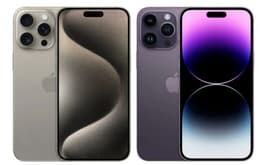
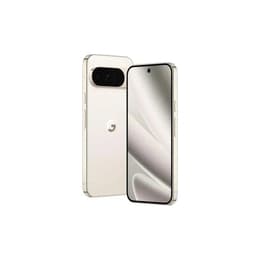
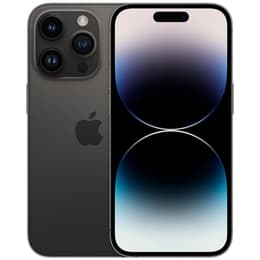
Google Pixel 10 Pro XL • Unlocked vs iPhone 14 Pro • Unlocked
- 1-year warranty
- Free standard shipping
- Free 30-day returns
Differences at a glance
The Google Pixel 10 Pro XL (2025) and the iPhone 14 Pro (2022) represent high-tier smartphone experiences from different generations and operating ecosystems. While both devices deliver premium features tailored for demanding users, they differ significantly in their launch timelines, software environments, and physical scale. Choosing between them depends on whether you prefer the expansive display and open integration of Android or the streamlined interface and ecosystem consistency of iOS.
Available Models
Color
Storage (GB)
Scores
Durability
When examining hardware longevity and software support timelines, these two devices reflect different stages of their respective product life cycles.
- Release timeline and support: The Google Pixel 10 Pro XL benefits from a more recent release year, securing extended software updates well into the future, whereas the iPhone 14 Pro has a multi-year head start on its update lifecycle. Software longevity: Both manufacturers provide long-term operating system updates, though the newer Pixel model aligns with extended support windows that span multiple years of security patches. Practical lifespan: Solid build materials and robust internal components ensure that both smartphones maintain reliable daily performance throughout years of standard use.
Release Year
2025
2022
OS
Android
iOS
Foldable
No
No
Performance
Daily speed, multitasking capability, and power efficiency vary noticeably due to architectural differences between the two devices.
- Memory and multitasking: The Google Pixel 10 Pro XL features generous RAM capacity to handle heavy background tasks smoothly, while the iPhone 14 Pro relies on tightly optimized software memory management to maintain fluid app switching. Processing responsiveness: Both devices load demanding applications, handle high-end mobile games, and navigate complex interfaces without stuttering or lag. Battery behavior: The Pixel model includes a high-capacity battery designed to easily push through a full day of heavy use, while the iPhone 14 Pro relies on efficient power scaling to sustain daily operation under similar workloads.
Screen quality
Display technology on both handsets delivers vivid clarity, though they cater to different preferences in physical workspace and brightness.
- Display technology and size: The Google Pixel 10 Pro XL offers a large 6.8-inch OLED panel, compared to the more compact 6.1-inch screen of the iPhone 14 Pro. Clarity and refresh rate: Both models utilize adaptive refresh rates scaling up to 120Hz for fluid scrolling, paired with sharp high-resolution panels that render text and media in fine detail. Outdoor visibility: High peak brightness levels on both screens ensure that content remains legible and clear even under direct sunlight.
Resolution
1344 x 2992
1179 x 2556
Screen type
LTPO OLED
LTPO Super Retina XDR OLED
Audiovisual
Optics and media playback capabilities offer versatile tools for capturing memories and enjoying entertainment on the go.
- Camera versatility: Both phones feature multi-lens rear camera arrays that include main, ultra-wide, and telephoto options for flexible framing. Low-light and video: The Pixel excels at computational photography in challenging lighting conditions, while the iPhone is widely noted for smooth video stabilization and cinematic recording features. Audio output: Stereo speaker configurations on both devices provide rich, clear sound for hands-free calls, podcasts, and media viewing.
Miscellaneous
Physical design traits and connectivity standards shape how each device fits into daily routines and physical handling.
- Connectivity and ports: Both models support fast 5G cellular networks, modern Wi-Fi standards, and reliable Bluetooth pairing, though they utilize different charging port standards. Biometrics and sensors: Security options differ as the Pixel offers both facial recognition and an in-display fingerprint scanner, while the iPhone relies exclusively on secure facial scanning. Build and ergonomics: The Pixel 10 Pro XL provides a larger physical footprint suited for media consumption, whereas the iPhone 14 Pro presents a more compact, pocket-friendly form factor.
Weight
8 oz
7 oz
Screen size (inches)
6.8
6.1
Network
5G
5G
SIM card
eSIM
eSIM
Carrier compatibility
Unlocked
Unlocked
Connector
USB-C
Lightning
What the community thinks
User feedback from online communities highlights distinct preferences for each smartphone. Owners of the Google Pixel 10 Pro XL frequently praise its expansive display, robust battery endurance, and advanced artificial intelligence capabilities. Conversely, iPhone 14 Pro users often emphasize the reliable ecosystem integration, solid build quality, and dependable video recording performance. Common criticisms for the Pixel occasionally center on its larger physical size, while some iPhone users note that the battery requires daily replenishment under heavy loads.
Users prioritizing a spacious screen, high-capacity multitasking memory, and Android customization will find the Google Pixel 10 Pro XL well-suited to their needs. Meanwhile, users preferring a compact device with a tightly integrated operating system may lean toward the iPhone 14 Pro. For those seeking a quality-assured refurbished option, both models are widely available as sustainable choices that reduce electronic waste without compromising on core functionality.