
Compare models

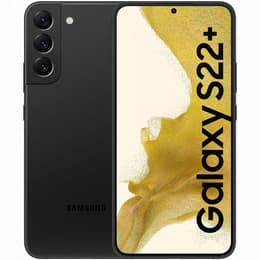
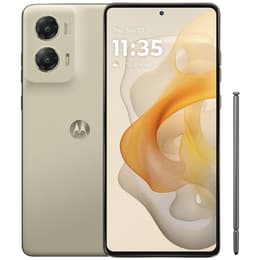
Galaxy S22+ 5G • Unlocked vs Motorola Moto G Stylus 5G (2024) • Unlocked

  • 1-year warranty
  • Free standard shipping
  • Free 30-day returns
Galaxy S22+ 5G • Unlocked
Starting at

Refurbished price:$206.99

Versus $999.00 new

See options
Motorola Moto G Stylus 5G (2024) • Unlocked
Starting at

Refurbished price:$155.00

Versus $299.99 new

See options

Differences at a glance

The Samsung Galaxy S22+ 5G (2022) and the Motorola Moto G Stylus 5G (2024) are 5G-enabled smartphones designed for everyday connectivity, though they approach mobile computing from distinct angles. While the Samsung model prioritizes flagship-tier build materials and a refined media ecosystem, the Motorola alternative focuses on integrated productivity through a dedicated stylus and expandable storage. Both devices operate on the Android platform, offering familiar user interfaces paired with differing hardware configurations that cater to distinct daily workflows.

Available Models

Color

Storage

Scores

Durability

When evaluating structural longevity and software support, these two devices reflect different release windows and update commitments that impact their expected operational lifespans.

  • Release timeline and support: The Galaxy S22+ debuted in early 2022, while the Moto G Stylus 5G arrived in mid-2024, giving the Motorola model a more recent starting point for software update cycles.
  • Build durability: The Samsung model utilizes heavy-duty glass and aluminum framing paired with high-level water resistance, whereas the Motorola device incorporates practical, everyday materials designed for casual handling.
  • Repairability: Both handsets feature standard component layouts, though finding replacement parts or opting for a quality-assured refurbished option can extend their usable years sustainably.

Release Year

2022

2024

Last OS Compatibility

Yes

Yes

OS

Android

Android

Foldable

No

No

Performance

Underneath the surface, everyday responsiveness and multitasking behavior differ based on internal hardware allocations and memory management.

  • Storage options: The Samsung device is available in fixed capacities, while the Motorola alternative supports expandable storage via microSD cards for large media libraries.
  • Multitasking and apps: Both phones handle standard web browsing, social media feeds, and streaming apps smoothly, though intensive 3D gaming benefits from the higher-tier graphics processing found in the older flagship model.
  • Battery behavior: The Motorola model features a larger 5,000 mAh capacity that easily stretches through a full day of mixed use, whereas the Samsung unit relies on a 4,500 mAh battery that may require a top-up during heavy workdays.

Screen quality

Visual output and display responsiveness play a major role in day-to-day media consumption and readability across both devices.

  • Display technology: Both smartphones utilize vibrant OLED panels that deliver deep contrast levels, rich colors, and wide viewing angles for videos and photos.
  • Refresh rate and smoothness: Each model supports a smooth 120Hz refresh rate that ensures fluid scrolling through web pages and documents.
  • Outdoor visibility: The Samsung flagship achieves a higher peak brightness threshold for direct sunlight legibility, while the Motorola screen offers generous sizing at 6.7 inches for comfortable reading.

Resolution

1080 x 2340

1080 x 2400

Screen type

Dynamic AMOLED 2X

P-OLED

Audiovisual

Capture capabilities and media playback hardware provide distinct options for photography enthusiasts and casual content creators.

  • Camera systems: The Samsung unit features a dedicated optical zoom lens alongside its main and ultra-wide sensors, whereas the Motorola alternative pairs its main stabilized sensor with an ultra-wide lens that doubles as a macro shooter.
  • Low-light and video: The Galaxy S22+ processes dim environments with balanced clarity, while the Moto G Stylus handles casual daylight snapshots reliably.
  • Audio output: Both handsets deliver stereo sound suitable for hands-free calls and casual video watching, with the Motorola inclusion of Dolby Atmos enhancements.

Main camera

50 megapixels

50 megapixels

Front camera

10 megapixels

32 megapixels

Miscellaneous

Practical physical traits, connectivity standards, and daily usability features round out the core user experience.

  • Connectivity: Both models provide 5G cellular connectivity, reliable Wi-Fi standards, and Bluetooth pairing for wireless accessories.
  • Physical input: The Motorola variant features a built-in stylus and a traditional headphone jack, whereas the Samsung relies strictly on USB-C connectivity and touch inputs.
  • Handling and dimensions: The Samsung model offers a slightly more compact, dense build, while the Motorola device provides a wider screen footprint tailored for writing and note-taking.

Weight

7 oz

7 oz

Screen size (inches)

6.6

6.7

Network

5G

5G

SIM card

Physical SIM + eSIM

Physical SIM

Carrier compatibility

Unlocked

Unlocked

Connector

USB-C

USB-C

What the community thinks

User feedback from online communities highlights distinct preferences for each device depending on daily routines. Owners of the Galaxy S22+ frequently praise its solid construction, premium display brightness, and versatile multi-lens camera setup. However, some users note that its battery drains more quickly during demanding tasks. On the other hand, users of the Motorola Moto G Stylus 5G often highlight its long-lasting battery capacity, expandable storage utility, and the convenience of the integrated writing tool. Criticisms for the Motorola model generally point toward more modest camera processing and a shorter expected software lifecycle.

Users prioritizing productivity and note-taking will find the Motorola Moto G Stylus 5G well-suited to their needs, while users prioritizing compact flagship materials and optical zoom flexibility may prefer the Samsung Galaxy S22+ 5G. Choosing a quality-assured refurbished option for either device provides an eco-friendly alternative that aligns with sustainable purchasing habits. Ultimately, evaluating personal habits regarding battery endurance, storage expansion, and physical inputs will guide the final decision.


Our recent comparisons