Compare models

Galaxy S22 Ultra 5G • Unlocked vs iPhone 17 Pro • Unlocked

  • 1-year warranty
  • Free standard shipping
  • Free 30-day returns
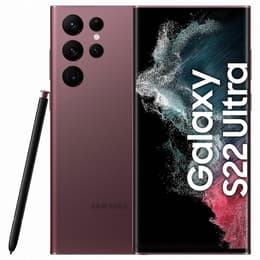
Galaxy S22 Ultra 5G • Unlocked
Starting at

Refurbished price:$315.00

Versus $1,073.99 new

See options
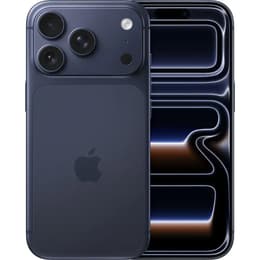
iPhone 17 Pro • Unlocked
Starting at

Refurbished price:$1,042.00

Versus $1,099.00 new

See options

Differences at a glance

The Samsung Galaxy S22 Ultra 5G (2022) and the Apple iPhone 17 Pro (2025) represent two distinct approaches to high-end mobile engineering, bridging different release years and operating systems. While the Galaxy S22 Ultra runs on Android and emphasizes integrated stylus functionality within a large-form chassis, the iPhone 17 Pro operates on iOS and prioritizes compact ergonomics alongside updated internal processing. These devices cater to users seeking premium features, though their core design philosophies diverge significantly.

Available Models

Color

Storage (GB)

Scores

Durability

When evaluating structural longevity and software support, both smartphones offer distinct timelines based on their respective release schedules and manufacturer policies.

  • Software Support Window: The iPhone 17 Pro benefits from a later release year, positioning it to receive iOS updates for a longer chronological window compared to the Galaxy S22 Ultra.
  • Repairability and Build: Both models utilize robust aluminum and reinforced glass constructions with high-level dust and water resistance ratings, though repair availability varies by regional service networks.
  • Practical Lifespan: Users can expect several years of reliable daily utility from either handset, with the choice depending largely on preferred operating system ecosystems and update longevity requirements.

Release Year

2022

2025

Last OS Compatibility

Yes

Yes

OS

Android

iOS

Foldable

No

No

Performance

Daily responsiveness, multitasking capabilities, and energy management differ notably between the two hardware ecosystems.

  • Multitasking and Processing: Both devices handle demanding applications, complex workflows, and graphic-intensive tasks smoothly, though the iPhone 17 Pro utilizes newer generation system architecture for enhanced thermal efficiency.
  • Battery Behavior: The Galaxy S22 Ultra incorporates a larger physical capacity to sustain its expansive screen, whereas the iPhone 17 Pro relies on software-level power optimization to navigate a full day of standard mixed use.
  • Storage Configurations: Both smartphones provide multiple internal storage tiers to accommodate extensive photo libraries, applications, and offline media files without expandable card slots.

Screen quality

Visual output characteristics vary across panel dimensions, peak illumination capabilities, and refresh mechanics.

  • Display Technology: Both models employ advanced OLED panels that deliver deep contrast levels, rich color reproduction, and high pixel density for crisp text rendering.
  • Brightness and Outdoor Legibility: The screens achieve high peak brightness thresholds, ensuring content remains clear and readable even under direct sunlight.
  • Refresh Dynamics: Both devices support adaptive refresh rates scaling up to a high frequency, ensuring fluid scrolling movements and responsive touch interactions during daily navigation.

Resolution

1440 x 3088

2622x1206

Screen type

Dynamic AMOLED 2X

Super Retina XDR

Audiovisual

Imaging and acoustic hardware cater to diverse multimedia creation and consumption preferences.

  • Camera Systems: The Galaxy S22 Ultra features a versatile multi-lens array highlighted by high-resolution sensors and long-range optical zoom capabilities, while the iPhone 17 Pro utilizes a balanced triple-lens configuration optimized for consistent color science and low-light fidelity.
  • Video Recording: Both handsets deliver stable, high-resolution video capture with advanced stabilization features suitable for everyday recording and creative projects.
  • Audio Output: Built-in stereo speaker systems produce clear sound quality for hands-free calls, media streaming, and casual listening sessions.

Main camera

108 megapixels

48 megapixels

Front camera

40 megapixels

18 megapixels

Miscellaneous

Physical dimensions, connectivity standards, and supplementary features define the everyday handling experience.

  • Handling and Form Factor: The Galaxy S22 Ultra provides a wider, angular footprint with an integrated stylus compartment, whereas the iPhone 17 Pro offers a more rounded, compact profile that is lighter in the hand.
  • Connectivity Protocols: Both models support modern 5G cellular networks, high-speed Wi-Fi standards, and Bluetooth pairing for seamless wireless accessory integration.
  • Security and Ports: The Galaxy S22 Ultra uses an in-screen ultrasonic fingerprint sensor alongside facial recognition, while the iPhone 17 Pro relies on secure facial authentication, with both utilizing standard physical charging ports.

Weight

8 oz

206 oz

Screen size (inches)

6.8

6.3

Network

5G

5G

SIM card

Physical SIM + eSIM

eSIM

Carrier compatibility

Unlocked

Unlocked

Connector

USB-C

USB-C

What the community thinks

Community discussions indicate that users appreciate the Galaxy S22 Ultra for its expansive canvas and built-in writing tool, though some note its larger physical footprint can feel heavy during prolonged one-handed use. Conversely, users frequently praise the iPhone 17 Pro for its refined ergonomics and reliable battery efficiency, while some mention a preference for broader customization options found on alternative software platforms. Choosing between these devices ultimately depends on individual workflow habits and ecosystem preferences.

Users who prioritize multitasking workspace flexibility and stylus input will find the Galaxy S22 Ultra well-suited to their needs. Meanwhile, users who prefer a compact build, streamlined operating system, and long-term software support may lean toward the iPhone 17 Pro. For those exploring a sustainable choice, opting for a quality-assured refurbished option provides a practical way to acquire either model while supporting eco-friendly technology consumption.

Our recent comparisons