Galaxy S23+ • Unlocked vs iPhone 14 • Locked AT&T

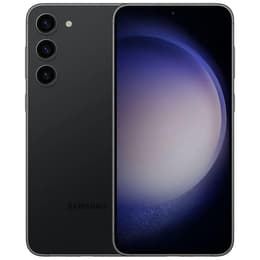
Galaxy S23+ • Unlocked
Starting at

Refurbished price:$259.99

Versus $999.99 new

See options
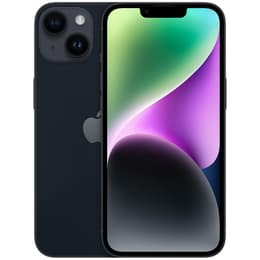
iPhone 14 • Locked AT&T
Starting at

Refurbished price:$225.72

Versus $629.00 new

See options

Ratings

The Samsung Galaxy S23 Plus, released in early 2023, and the Apple iPhone 14, launched in late 2022, represent two distinct approaches to the modern smartphone experience. While the Galaxy S23 Plus offers a larger display and a versatile triple-camera system, the iPhone 14 focuses on a more compact design and a streamlined user interface. Operating on Android and iOS respectively, these devices cater to different ecosystem preferences while providing high-end features. Choosing between them often comes down to a preference for screen size, camera versatility, and the specific software environment that best fits a user's daily routine.

Scores

Durability

Both the Samsung Galaxy S23 Plus and the iPhone 14 offer robust build quality, but their long-term software support and physical resilience differ slightly based on their release cycles.

  • Software Longevity: The iPhone 14, released in September 2022, is expected to receive iOS updates for approximately five to seven years from its release date, potentially extending support until 2028 or beyond. The Galaxy S23 Plus, launched in February 2023, follows a committed update policy of four years of major Android versions and five years of security patches, providing support until around 2028.
  • Physical Resilience: Both devices feature high-grade materials and an IP68 rating, meaning they are resistant to dust and can withstand immersion in water. The iPhone 14 uses Ceramic Shield protection on its front display and an aerospace-grade aluminum frame, while the Galaxy S23 Plus employs Gorilla Glass Victus 2 on both the front and back, along with an Armor Aluminum frame.
  • Expected Practical Lifespan: Users can expect both devices to remain functional and receive critical security updates for several years. The iPhone 14 generally offers a slightly longer period of major operating system updates, which can be a factor for users prioritizing the absolute longest software support.

Release Year

2023

2022

Last OS Compatibility

Yes

Yes

OS

Android

iOS

Foldable

No

No

Performance

While both smartphones handle demanding tasks with ease, the Galaxy S23 Plus and iPhone 14 offer different experiences in terms of multitasking and battery endurance.

  • System Responsiveness: The Galaxy S23 Plus utilizes a high-performance processor that excels in multitasking and running intensive applications without lag. The iPhone 14, while using hardware from the previous year's flagship line, remains smooth for everyday navigation, social media, and high-end gaming due to its optimized software.
  • Battery Behavior: The Galaxy S23 Plus features a larger 4700mAh battery, which, combined with its efficient processor, can comfortably last through a full day of heavy use. The iPhone 14 has a smaller battery capacity but benefits from efficient power management, making it reliable for a standard day of moderate use.
  • Storage and Multitasking: The Galaxy S23 Plus typically starts with 256GB of internal storage and 8GB of RAM, which assists in keeping multiple apps open simultaneously and handling large files. The iPhone 14 offers storage options from 128GB to 512GB and 6GB of RAM, managing memory efficiently through its software, though users who frequently switch between many large applications might notice a difference in background processing compared to the Galaxy S23 Plus.

Memory (GB)

8 GB

6 GB

Screen quality

The displays on the Galaxy S23 Plus and iPhone 14 present distinct characteristics that influence the viewing experience.

  • Display Technology and Smoothness: The Galaxy S23 Plus features a 6.6-inch Dynamic AMOLED 2X display with a 120Hz adaptive refresh rate, providing deep blacks, vibrant colors, and exceptionally smooth animations and scrolling. The iPhone 14 uses a 6.1-inch Super Retina XDR OLED screen with a standard 60Hz refresh rate, offering excellent color accuracy and sharpness, but lacking the fluid motion found on the Samsung device.
  • Resolution and Clarity: The iPhone 14 has a resolution of 2532 x 1170 pixels, resulting in a higher pixel density of approximately 460 pixels per inch (ppi). The Galaxy S23 Plus offers a 2340 x 1080 pixel resolution, with a pixel density of around 393 ppi. Both provide clear visuals for typical viewing distances.
  • Brightness and Outdoor Visibility: For users who frequently use their phones in bright sunlight, the Galaxy S23 Plus offers a higher peak brightness of up to 1750 nits, making the screen easier to read in direct light. The iPhone 14 reaches a peak HDR brightness of 1200 nits and a typical maximum of 800 nits.

Resolution

1080 x 2340

1170 x 2532

Screen type

Dynamic AMOLED 2X

Super Retina XDR OLED

Audiovisual

The camera systems on the Galaxy S23 Plus and iPhone 14 offer different strengths for photography and videography.

  • Rear Camera System: The Galaxy S23 Plus features a versatile triple-camera setup, including a 50MP main sensor with optical image stabilization (OIS), a 12MP ultra-wide lens, and a 10MP telephoto lens capable of 3x optical zoom. This telephoto lens provides greater flexibility for zooming into subjects. The iPhone 14 comes with a dual-camera system, featuring a 12MP main camera with OIS and a 12MP ultra-wide camera.
  • Photography Performance: The Galaxy S23 Plus is noted for capturing more detail in shadows and producing vibrant, saturated colors, particularly in low-light conditions. The iPhone 14 is praised for its natural color reproduction, accurate skin tones, and a point-and-shoot simplicity that many users find reliable for quick captures.
  • Video Recording and Audio: The iPhone 14 is widely recognized for its video recording stability and natural color in videos, supporting 4K Dolby Vision HDR recording. The Galaxy S23 Plus can record up to 8K at 30fps and offers good video quality, with its dedicated telephoto sensor providing sharper zoomed-in video. Both phones feature stereo speakers that deliver clear audio for media consumption and calls.

Main camera

50 megapixels

12 megapixels

Front camera

12 megapixels

12 megapixels

Miscellaneous

Beyond core features, several practical elements differentiate the Galaxy S23 Plus and iPhone 14 in daily use.

  • Connectivity and Ports: Both devices support 5G connectivity and Bluetooth 5.3. The Galaxy S23 Plus supports Wi-Fi 6E and features a USB Type-C 3.2 port, offering faster data transfer speeds and broader compatibility with accessories. The iPhone 14 supports Wi-Fi 6 and uses a Lightning connector, which is a proprietary Apple standard. The iPhone 14 also includes Emergency SOS via satellite for communication in areas without cellular or Wi-Fi coverage.
  • Biometric Security: The Galaxy S23 Plus offers an in-display ultrasonic fingerprint sensor in addition to facial recognition for unlocking the device. The iPhone 14 relies solely on Face ID, Apple's facial recognition system.
  • Design and Handling: The Galaxy S23 Plus measures 157.8 x 76.2 x 7.6 mm and weighs 196g, offering a large screen while remaining comfortable to hold. The iPhone 14 is more compact at 146.70 x 71.50 x 7.80 mm and lighter at 172g, making it easier for one-handed use for some users.

Weight

7 oz

6 oz

Width

3,43 in

2,82 in

Height

6.6 in

5,78 in

Depth

0.3 in

0,31 in

Screen size (inches)

6.6

6.1

Network

5G

5G

SIM card

Physical SIM + eSIM

eSIM

Carrier compatibility

Unlocked

AT&T

User sentiment for both the Samsung Galaxy S23 Plus and the iPhone 14 highlights their respective strengths. Users often praise the Galaxy S23 Plus for its vibrant 120Hz display, versatile camera system with a telephoto lens, and overall strong performance for demanding tasks. Its larger battery and faster wired charging are also frequently noted as advantages. Some common criticisms for the Galaxy S23 Plus are less prevalent, with many users finding it to be a well-rounded device.

The iPhone 14 receives commendation for its smooth software experience, excellent video recording capabilities, and consistent camera performance with natural color reproduction. Its compact size and long software support are also appreciated. However, some users express disappointment with the 60Hz display, the presence of a notch, and the continued use of the Lightning port, which can make it feel less modern compared to some Android counterparts.

Users prioritizing a highly fluid display, a dedicated telephoto camera for zoom, and the flexibility of the Android ecosystem with USB-C connectivity may find the Galaxy S23 Plus well-suited to their needs. Conversely, users who value a compact design, exceptional video quality, a streamlined iOS experience, and a slightly longer period of major software updates may lean toward the iPhone 14. Both devices offer robust performance and durability, making them reliable choices for long-term use. For those considering an eco-friendly alternative, a quality-assured refurbished option for either model can provide a sustainable choice without compromising on functionality.


See all articles

Our recent comparisons