
Compare models

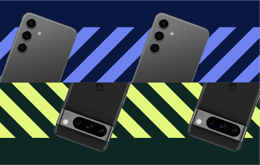
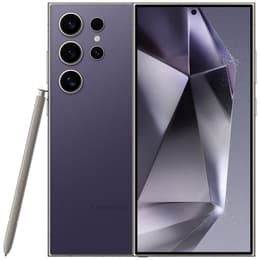
Galaxy S24 Ultra • Unlocked vs Google Pixel 9a • Unlocked

  • 1-year warranty
  • Free standard shipping
  • Free 30-day returns
Galaxy S24 Ultra • Unlocked
Starting at

Refurbished price:$564.00

Versus $1,399.00 new

See options
Google Pixel 9a • Unlocked
Starting at

Refurbished price:$320.00

Versus $499.99 new

See options

Differences at a glance

The Samsung Galaxy S24 Ultra (2024) and the Google Pixel 9a (2025) are distinct smartphones catering to different user preferences within the Android ecosystem. While the Galaxy S24 Ultra operates as a feature-rich productivity device, the Google Pixel 9a focuses on streamlined everyday utility and smart software integration. Both devices run on the Android operating system, though they offer contrasting hardware philosophies and physical designs.

Available Models

Color

Storage (GB)

Scores

Durability

When examining hardware longevity and maintenance, both devices offer robust support structures but cater to different expectations regarding build resilience and software lifespan.

  • Software Support: The Google Pixel 9a provides a long-term update commitment spanning seven years of operating system and security patches, matching the extended software window of the Galaxy S24 Ultra.
  • Build and Repairability: The Galaxy S24 Ultra utilizes a grade-two titanium frame and specialized anti-reflective glass, while the Pixel 9a features a durable composite back and robust water resistance ratings suited for daily handling.
  • Expected Lifespan: Both models are built to sustain multiple years of active daily use, though their physical resilience depends heavily on handling preferences and protective accessories.

Release Year

2024

2025

OS

Android

Android

Foldable

No

No

Performance

System responsiveness and daily multitasking behavior vary between the two models, driven by distinct hardware configurations and memory capacities.

  • Multitasking and Memory: The Galaxy S24 Ultra features expansive RAM allocations that handle heavy split-screen workflows effortlessly, whereas the Pixel 9a relies on a streamlined memory setup optimized for smooth daily navigation and standard app switching.
  • Battery Behavior: Both smartphones maintain enough power for a full day of standard use under typical conditions, though their internal power management approaches differ based on screen size and processor design.
  • Everyday Speed: Applications load rapidly and system transitions remain fluid on both devices, ensuring responsive handling for messaging, web browsing, and media streaming.

Screen quality

Display characteristics differ significantly in size, coating, and visual presentation, impacting outdoor visibility and media consumption.

  • Display Technology: Both devices employ vibrant OLED panels with high refresh rates, ensuring smooth scrolling through web pages and fluid animation handling.
  • Size and Viewing Area: The Galaxy S24 Ultra offers a larger viewing canvas suited for detailed document editing, while the Pixel 9a provides a more compact footprint that is easier to manage with one hand.
  • Outdoor Legibility: Advanced peak brightness capabilities on both screens allow for clear visibility under direct sunlight, supported by anti-glare measures that reduce reflections.

Resolution

1440 x 3120

1080x2424

Screen type

Dynamic LTPO AMOLED 2X

P-OLED

Audiovisual

Photographic hardware and media output capabilities reflect different engineering priorities, balancing versatile lens arrays with computational photography.

  • Camera Systems: The Galaxy S24 Ultra features a versatile multi-lens setup including dedicated optical zoom capabilities for distant subjects, while the Pixel 9a utilizes a streamlined dual-lens configuration paired with advanced computational processing.
  • Video and Audio: Video recording remains stable and detailed across both models, supported by effective stabilization and clear internal microphones for calls and voice notes.
  • Media Consumption: Stereo speaker output delivers clear audio for podcasts and casual video playback on both handsets.

Miscellaneous

Physical dimensions, connectivity standards, and integrated control methods shape the physical interaction model of each device.

  • Physical Handling: The Galaxy S24 Ultra has a larger, heavier rectangular chassis that includes a built-in stylus for precision input, whereas the Pixel 9a presents a lighter, rounded profile designed for comfortable pockets.
  • Connectivity: Both models support modern 5G networks, fast Wi-Fi standards, and Bluetooth connectivity for wireless accessories.
  • Security Sensors: Responsive under-display biometric scanners and facial recognition options provide secure, quick device unlocking on both platforms.

Weight

8 oz

6 oz

Screen size (inches)

6.8

6.3

Network

5G

5G

SIM card

Physical SIM + eSIM

Physical SIM + eSIM

Carrier compatibility

Unlocked

Unlocked

What the community thinks

User feedback for the Samsung Galaxy S24 Ultra frequently highlights praise for its expansive display, integrated stylus utility, and versatile zoom optics, though some users note its bulky physical footprint. Conversely, owners of the Google Pixel 9a commonly appreciate its clean software interface, reliable battery life, and comfortable handling, while occasional remarks point to simpler charging speeds.

Users prioritizing advanced productivity tools and distant photography will find the Galaxy S24 Ultra well-suited to their needs, while users prioritizing a lighter handheld form factor and streamlined software will lean toward the Google Pixel 9a. Choosing a quality-assured refurbished option provides an eco-friendly alternative for acquiring either device while supporting sustainable technology choices. Ultimately, the right choice depends entirely on individual daily habits and workflow preferences.

Our recent comparisons