iPhone 14 • Locked T-Mobile vs iPhone SE (2022) • Locked Verizon

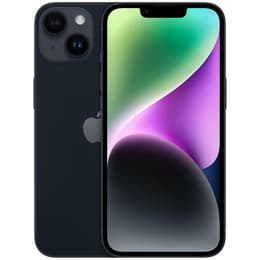
iPhone 14 • Locked T-Mobile
Starting at

Refurbished price:$269.00

Versus $599.00 new

See options
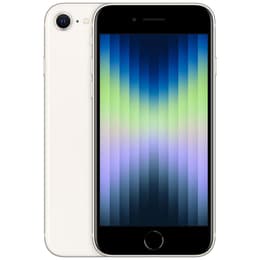
iPhone SE (2022) • Locked Verizon
Starting at

Refurbished price:$124.00

Versus $429.00 new

See options

Ratings

The iPhone 14 and the iPhone SE (2022) represent two distinct approaches within Apple's smartphone lineup, both released in 2022. The iPhone 14 offers a modern, expansive display and advanced camera capabilities, while the iPhone SE (2022) maintains a classic design with a physical home button and a more compact form factor. Both devices operate on the same iOS platform, providing a consistent software experience, but cater to different user preferences through their hardware and design choices.

Scores

Durability

Both the iPhone 14 and the iPhone SE (2022) were released in the same year, placing them on a similar trajectory for software longevity and system updates. Users can generally expect these devices to receive iOS updates for several years, ensuring continued security and access to new features.

  • Software Support: Both models are built on similar internal architectures, meaning they are projected to receive iOS updates for approximately five to seven years from their release, extending their functional lifespan well into the late 2020s.
  • Build Materials: The iPhone 14 features a Ceramic Shield front cover, which offers enhanced drop protection compared to the strengthened glass used on the iPhone SE (2022). The iPhone 14 also boasts an IP68 rating for water and dust resistance, allowing for deeper submersion than the iPhone SE (2022)'s IP67 rating.
  • Repairability: The iPhone 14 introduced an internal design that allows for easier removal of the back glass, potentially simplifying certain repairs.

Release Year

2022

2022

Last OS Compatibility

Yes

Yes

OS

iOS

iOS

Foldable

No

No

Performance

While both devices share a similar core processing unit, there are subtle differences in their configurations and how they translate to real-world usage, particularly concerning multitasking and demanding applications.

  • Processor Capabilities: Both the iPhone 14 and iPhone SE (2022) are equipped with a powerful processor, enabling smooth performance for everyday tasks, app loading, and general responsiveness. The iPhone 14's version of this processor includes an additional graphics core, which can lead to slightly more fluid visuals in graphically intensive games and applications.
  • Multitasking and Responsiveness: The iPhone 14 comes with 6GB of RAM, an increase over the iPhone SE (2022)'s 4GB. This additional memory in the iPhone 14 can contribute to a more seamless experience when switching between multiple applications or handling memory-intensive tasks.
  • Battery Behavior: The iPhone 14 generally offers better battery endurance, often lasting a full day of heavy use. The iPhone SE (2022), with its smaller battery capacity, typically provides sufficient power for a day of moderate use but may require a mid-day charge for users with more intensive usage patterns.

Memory (GB)

6 GB

4 GB

Screen quality

The display is a significant differentiator between these two models, impacting the visual experience, brightness, and overall screen real estate.

  • Display Technology and Clarity: The iPhone 14 features a 6.1-inch Super Retina XDR OLED display, offering deep blacks, vibrant colors, and a high resolution of 2532 x 1170 pixels at 460 pixels per inch (ppi). In contrast, the iPhone SE (2022) has a 4.7-inch Retina HD LCD display with a resolution of 1334 x 750 pixels at 326 ppi. The OLED technology in the iPhone 14 generally provides a more visually immersive experience.
  • Brightness Levels: The iPhone 14's display can reach a typical brightness of 800 nits and a peak HDR brightness of 1200 nits, making it highly visible in various lighting conditions, including bright sunlight. The iPhone SE (2022) has a typical maximum brightness of 625 nits.
  • Screen Size and Viewing Experience: The iPhone 14's larger, edge-to-edge display provides a more expansive viewing area for media consumption, gaming, and productivity. The iPhone SE (2022)'s smaller screen and traditional bezels offer a more compact feel, which some users may prefer for one-handed use.

Resolution

1170 x 2532

750 x 1334

Screen type

Super Retina XDR OLED

Retina IPS LCD

Audiovisual

The camera systems on both devices offer capable photography and videography, but the iPhone 14 includes more advanced features and improved performance, particularly in challenging lighting conditions.

  • Rear Camera System: The iPhone 14 features a dual 12MP camera system, including a main wide lens with a larger aperture and sensor-shift optical image stabilization, and an ultra-wide lens. It benefits from Apple's Photonic Engine for improved low-light performance and offers features like Action Mode for stabilized video and Cinematic Mode for depth-of-field effects in 4K HDR. The iPhone SE (2022) has a single 12MP wide camera with optical image stabilization, which performs well in good lighting but lacks features like Night Mode.
  • Front Camera Performance: The iPhone 14 includes an improved 12MP front camera with autofocus and a wider aperture, leading to sharper selfies and better video calls. The iPhone SE (2022) has a 7MP front camera that is competent for everyday use.
  • Video Recording Quality: Both devices can record 4K video at up to 60 frames per second. The iPhone 14's additional video features, such as Action Mode and enhanced Cinematic Mode, provide more creative options for video capture.

Main camera

12 megapixels

12 megapixels

Front camera

12 megapixels

7 megapixels

Miscellaneous

Beyond the core features, several practical elements differentiate the user experience and handling of these two iPhone models.

  • Connectivity and Ports: Both the iPhone 14 and iPhone SE (2022) support 5G cellular connectivity and Wi-Fi 6. However, the iPhone 14 includes Bluetooth 5.3, a newer standard compared to the iPhone SE (2022)'s Bluetooth 5.0, which can offer more stable and efficient connections with accessories. Both devices utilize the Lightning port for charging and data transfer.
  • Biometric Authentication: The iPhone 14 relies on Face ID for secure facial recognition, enabling a full-screen display. The iPhone SE (2022) retains the classic Home button with Touch ID, offering fingerprint authentication.
  • Physical Design and Handling: The iPhone 14 is larger and heavier, measuring 5.78 x 2.82 x 0.31 inches and weighing 6.07 ounces (172 grams). The iPhone SE (2022) is more compact and lighter at 5.45 x 2.65 x 0.29 inches and 5.08 ounces (144 grams), making it easier for one-handed use and pocketability.

Weight

6 oz

3 oz

Screen size (inches)

6.1

4.7

Network

5G

5G

SIM card

eSIM

Physical SIM + eSIM

Carrier compatibility

T-Mobile

Verizon

Connector

Lightning

Lightning

User feedback for the iPhone 14 often highlights its dependable all-day battery life, smooth performance across applications, and capable camera system as strong points. Some users appreciate the vibrant display and the modern design. Criticisms sometimes point to the display's refresh rate not being as high as some competitors or the incremental nature of upgrades compared to its direct predecessor.

For the iPhone SE (2022), common praise centers on its powerful internal components, offering excellent performance for its form factor, and the continued presence of Touch ID for those who prefer it. Users also value its compact size. Frequent criticisms include its dated design with significant bezels, the LCD display technology, and the absence of Night Mode in the camera, which can limit its low-light photography capabilities.

Users prioritizing a modern, expansive display, advanced camera features for diverse shooting conditions, and longer battery life will find the iPhone 14 well-suited to their needs. This device is ideal for those who consume a lot of media, enjoy mobile gaming, or frequently capture photos and videos. Conversely, users who prefer a compact device for easy one-handed use, appreciate the tactile feedback of a physical home button with Touch ID, and primarily take photos in well-lit environments may lean toward the iPhone SE (2022). Both models offer a robust iOS experience, and choosing between them often comes down to personal preference regarding screen size, design, and specific camera capabilities. For those considering a more sustainable choice, both the iPhone 14 and iPhone SE (2022) are available as quality-assured refurbished options.

See all articles

Our recent comparisons