
iPhone 13 • Unlocked vs iPhone SE (2022) • Locked Verizon

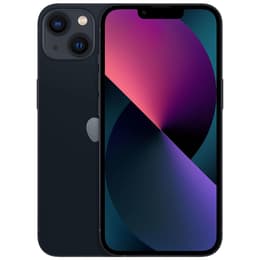
iPhone 13 • Unlocked
Starting at

Refurbished price:$226.00

Versus $629.00 new

See options
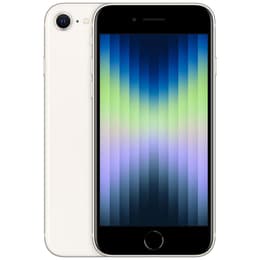
iPhone SE (2022) • Locked Verizon
Starting at

Refurbished price:$124.00

Versus $429.00 new

See options

Ratings

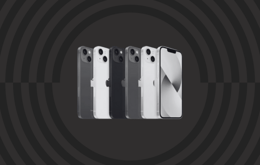
The iPhone 13, released in September 2021, and the iPhone SE (2022), launched in March 2022, are both Apple smartphones running on the iOS operating system. While they share the same powerful internal processing unit, they cater to different user preferences primarily through their distinct designs, display technologies, and camera capabilities. The iPhone 13 offers a more modern, expansive screen experience and an advanced dual-camera system, whereas the iPhone SE (2022) retains a classic compact design with a physical home button and a single camera setup.

Scores

Durability

When considering the long-term usability of these devices, several factors come into play, including their release dates, software support, and physical resilience.

  • Release Timeline: The iPhone 13 was released in September 2021, making it slightly older than the iPhone SE (2022), which debuted in March 2022. This difference means the iPhone SE (2022) may receive software updates for a few months longer, though both are expected to have similar overall software support lifespans.
  • Software Longevity: Both devices are powered by the same advanced processor, which suggests they will receive iOS updates for a comparable duration. As of 2026, both are compatible with current iOS versions and are anticipated to continue receiving updates for several more years, ensuring access to new features and security enhancements.
  • Durability Features: The iPhone 13 features Ceramic Shield on its front display, offering enhanced drop protection. The iPhone SE (2022) uses a tough glass on both the front and back, similar to the back glass of the iPhone 13, providing good resistance to drops. The iPhone 13 has an IP68 rating for water and dust resistance, allowing it to withstand submersion in deeper water for longer, while the iPhone SE (2022) has an IP67 rating, suitable for shallower submersion.

Release Year

2021

2022

Last OS Compatibility

Yes

Yes

OS

iOS

iOS

Foldable

No

No

Performance

Both the iPhone 13 and iPhone SE (2022) are equipped with the same powerful processing unit, leading to comparable performance in many tasks, though differences in battery capacity and RAM can influence real-world usage.

  • Processing Power: Both devices utilize a current-generation processor, enabling them to handle demanding applications, complex games, and multitasking with smooth responsiveness. This shared component means users can expect similar speeds for launching apps and navigating the operating system.
  • Multitasking and Storage: Both models come with 4GB of RAM, which supports efficient multitasking for typical smartphone usage. Storage options vary, with the iPhone 13 offering up to 512GB, while the iPhone SE (2022) is available with up to 256GB.
  • Battery Behavior: The iPhone 13 generally offers significantly longer battery life due to its larger battery capacity (3227 mAh) compared to the iPhone SE (2022)'s 2018 mAh battery. For users who frequently use their phone throughout the day, the iPhone 13 typically requires less frequent charging.

Memory (GB)

4 GB

4 GB

Screen quality

The display is one of the most significant differentiating factors between these two iPhone models, impacting the visual experience and overall design.

  • Display Technology and Size: The iPhone 13 features a 6.1-inch Super Retina XDR OLED display, which provides deep blacks, vibrant colors, and high contrast. In contrast, the iPhone SE (2022) has a smaller 4.7-inch Retina IPS LCD display, which offers good color accuracy but does not match the contrast levels of an OLED panel.
  • Resolution and Clarity: The iPhone 13's display has a higher resolution of 2532 x 1170 pixels, resulting in a pixel density of 460 ppi, which produces a sharper image. The iPhone SE (2022) has a resolution of 1334 x 750 pixels with 326 ppi, offering clear visuals for its size but less sharpness than the iPhone 13.
  • Brightness and Refresh Rate: Both phones offer a typical maximum brightness of 625 nits, ensuring good visibility in various lighting conditions. Both displays also feature a standard 60Hz refresh rate, providing a smooth experience for everyday scrolling and content consumption.

Resolution

1170 x 2532

750 x 1334

Screen type

Super Retina XDR OLED

Retina IPS LCD

Audiovisual

The camera systems on the iPhone 13 and iPhone SE (2022) offer different capabilities, particularly in terms of versatility and low-light performance.

  • Rear Camera System: The iPhone 13 boasts a dual-camera system with a 12MP wide lens (f/1.6) and a 12MP ultra-wide lens (f/2.4), along with sensor-shift optical image stabilization and Night Mode. The iPhone SE (2022) features a single 12MP wide lens (f/1.8) with optical image stabilization but lacks an ultra-wide lens and Night Mode. This means the iPhone 13 excels in low-light conditions and offers more photographic flexibility.
  • Photography Features: Both devices include computational photography features like Smart HDR 4, Deep Fusion, and Photographic Styles, which enhance image quality in various scenarios. However, the iPhone 13's larger sensor and wider aperture on its main lens contribute to better detail and noise performance, especially in challenging lighting.
  • Video Recording and Front Camera: Both phones can record 4K video at up to 60 frames per second. The iPhone 13 also offers Cinematic Mode for video and a 12MP TrueDepth front camera that supports 4K video and Night Mode. The iPhone SE (2022) has a 7MP front camera that records up to 1080p video.

Main camera

12 megapixels

12 megapixels

Front camera

12 megapixels

7 megapixels

Miscellaneous

Beyond the core features, several practical elements distinguish the iPhone 13 and iPhone SE (2022), influencing daily convenience and user interaction.

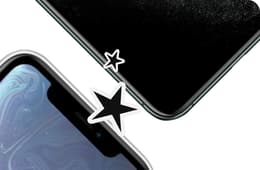
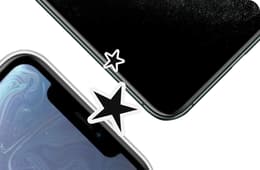
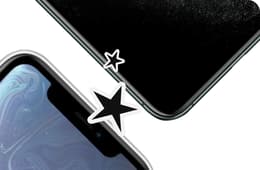
  • Design and Authentication: The iPhone 13 features a modern, all-screen design with Face ID for secure authentication. The iPhone SE (2022) retains the classic iPhone design with a physical home button and Touch ID, which some users prefer for its familiarity and quick access.
  • Connectivity and Ports: Both devices support 5G (sub-6 GHz) for fast cellular data and Wi-Fi 6 for robust wireless connections. They both utilize the Lightning port for charging and data transfer, and neither includes a traditional headphone jack.
  • Physical Characteristics: The iPhone 13 is larger and heavier, measuring 146.7 x 71.5 x 7.65 mm and weighing 174g. The iPhone SE (2022) is more compact and lighter at 138.4 x 67.3 x 7.3 mm and 144g, making it easier for one-handed use for some individuals.

Weight

6 oz

3 oz

Screen size (inches)

6.1

4.7

Network

5G

5G

SIM card

Physical SIM + eSIM

Physical SIM + eSIM

Carrier compatibility

Unlocked

Verizon

Connector

Lightning

Lightning

User sentiment often highlights the iPhone 13 for its modern design, vibrant OLED display, and versatile camera system, particularly its low-light capabilities. Many users appreciate the larger screen for media consumption and general browsing. Criticisms sometimes point to its notch design, though it is smaller than previous generations.

The iPhone SE (2022) is frequently praised for its compact form factor, the convenience of Touch ID, and its powerful processor, which delivers flagship-level performance in a smaller package. However, common concerns revolve around its dated design with thick bezels, the smaller LCD display, and its comparatively shorter battery life. The absence of Night Mode in its camera is also a frequent point of discussion.

Users prioritizing a modern, immersive visual experience, advanced photography features, and extended battery life will likely find the iPhone 13 better suited to their needs. Its larger OLED display and dual-camera system offer a more premium experience for content creation and consumption. Conversely, individuals who prefer a compact device, appreciate the traditional home button with Touch ID, and value raw processing power in a smaller form factor may lean towards the iPhone SE (2022). It serves well for those who primarily use their phone for everyday tasks, communication, and casual photography, and who might find a refurbished option an eco-friendly alternative. Both devices offer robust performance and long-term software support, making them reliable choices depending on individual priorities.

See all articles

Our recent comparisons