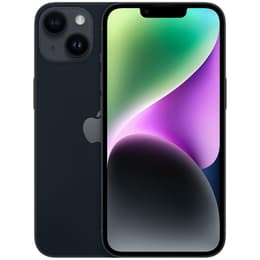
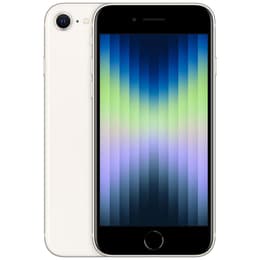
iPhone 14 • Unlocked vs iPhone SE (2022) • Locked Verizon

iPhone 14 • Unlocked
Starting at

Refurbished price:$256.00

Versus $629.00 new

See options
iPhone SE (2022) • Locked Verizon
Starting at

Refurbished price:$124.00

Versus $429.00 new

See options

Ratings

The iPhone 14, released in September 2022, and the iPhone SE (2022), launched earlier in March 2022, represent distinct approaches within Apple's smartphone lineup. While both devices operate on the same iOS platform and share a powerful internal processor, they offer different user experiences primarily due to their form factor, display technology, and camera capabilities. The iPhone 14 features a modern, expansive display and advanced camera system, whereas the iPhone SE (2022) maintains a classic design with a physical home button.

Scores

Durability

Both the iPhone 14 and the iPhone SE (2022) were released in the same calendar year, placing them on a similar trajectory for software longevity and system updates. Users can generally expect several years of iOS support, ensuring continued security and functionality.

  • Software Support: Both models are powered by the same generation of internal architecture, meaning they are expected to receive iOS updates for many years, typically five to seven years from their original release dates. This ensures both devices remain current with the latest features and security patches well into the late 2020s.
  • Build Materials: The iPhone 14 incorporates a Ceramic Shield front cover, which offers enhanced drop protection compared to the strengthened glass used on the iPhone SE (2022). The iPhone 14 also boasts an IP68 rating for water and dust resistance, allowing for submersion in deeper water than the iPhone SE's IP67 rating.
  • Repairability: The iPhone 14 introduced an internal design that allows for easier removal of the back glass, potentially simplifying certain repairs. The iPhone SE (2022) maintains a more traditional internal layout.

Release Year

2022

2022

Last OS Compatibility

Yes

Yes

OS

iOS

iOS

Foldable

No

No

Performance

Despite their different market positions, both the iPhone 14 and iPhone SE (2022) are equipped with a capable processor, delivering smooth performance for everyday tasks. However, differences in RAM and processor configuration can lead to varying experiences in demanding scenarios.

  • Everyday Responsiveness: Both devices handle common applications, web browsing, and general navigation with fluidity. The underlying processor ensures quick app launches and efficient multitasking for typical user needs.
  • Demanding Applications and Gaming: The iPhone 14 benefits from a version of the processor with an additional graphics core and more RAM, which can provide a smoother experience during graphically intensive gaming or when running multiple demanding applications simultaneously. Users engaging in extensive mobile gaming or heavy video editing may notice the iPhone 14 maintaining more consistent frame rates and faster processing.
  • Battery Behavior: The iPhone 14 features a larger internal battery, offering significantly longer usage times for video playback and general web browsing compared to the iPhone SE (2022). Heavy users of the iPhone SE (2022) might find themselves needing to recharge more frequently throughout the day.

Memory (GB)

6 GB

4 GB

Screen quality

The display is a significant differentiator between these two iPhone models, impacting visual fidelity, screen size, and overall viewing experience.

  • Display Technology and Clarity: The iPhone 14 features a 6.1-inch Super Retina XDR OLED display, which delivers deep blacks, vibrant colors, and a high contrast ratio. The iPhone SE (2022) utilizes a 4.7-inch Retina HD LCD display, which offers good color accuracy but cannot match the contrast and true black levels of an OLED panel. The iPhone 14 also has a higher resolution and pixel density, resulting in sharper text and images.
  • Brightness and Outdoor Visibility: The iPhone 14's display can reach higher brightness levels, particularly for HDR content and in typical use, making it easier to view content clearly in bright outdoor conditions. While the iPhone SE (2022) remains legible outdoors, it may struggle more with glare in very bright environments.
  • Screen Size and Viewing Experience: The iPhone 14 offers a larger 6.1-inch edge-to-edge display, providing more screen real estate for media consumption, web browsing, and multitasking. The iPhone SE (2022) has a more compact 4.7-inch screen with traditional bezels and a home button, which some users find easier for one-handed operation but less immersive for media.

Resolution

1170 x 2532

750 x 1334

Screen type

Super Retina XDR OLED

Retina IPS LCD

Audiovisual

The camera systems on the iPhone 14 and iPhone SE (2022) offer different capabilities, with the iPhone 14 providing a more versatile and advanced photography experience.

  • Lens Versatility and Everyday Photography: The iPhone 14 features a dual-camera system on the rear, including a 12-megapixel Wide lens and a 12-megapixel Ultra Wide lens, allowing for broader scene capture. The iPhone SE (2022) has a single 12-megapixel Wide camera. Both are capable of capturing high-quality photos in good lighting, but the iPhone 14 offers more creative options.
  • Low-Light Performance and Advanced Features: A key difference is the iPhone 14's inclusion of Night Mode, which significantly improves photo quality in low-light conditions. The iPhone SE (2022) lacks Night Mode, making it less capable in very dim environments. The iPhone 14 also features Cinematic Mode for video and an improved Photonic Engine for better image processing across all lighting conditions.
  • Front Camera and Video Recording: The iPhone 14 is equipped with a 12-megapixel front camera that supports TrueDepth for Face ID and offers improved low-light performance. The iPhone SE (2022) has a 7-megapixel front camera. Both devices can record 4K video, but the iPhone 14 offers additional features like Action Mode for smoother video capture.

Main camera

12 megapixels

12 megapixels

Front camera

12 megapixels

7 megapixels

Miscellaneous

Beyond the core features, several practical elements differentiate the iPhone 14 and iPhone SE (2022), influencing daily usability and interaction.

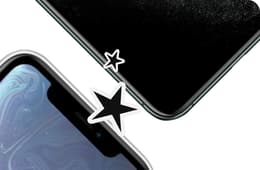
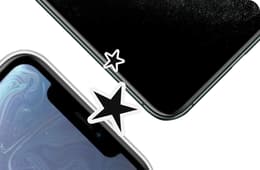
  • Biometric Security and Design: The iPhone 14 utilizes Face ID for secure authentication and navigation, contributing to its edge-to-edge display design. The iPhone SE (2022) retains the classic Home button with Touch ID, which some users prefer for its tactile feedback and familiarity.
  • Connectivity and Ports: Both devices support 5G cellular connectivity and Wi-Fi 6. However, the iPhone 14 supports both sub-6GHz and mmWave 5G, offering access to the fastest available 5G networks, including Verizon's Ultra Wideband. The iPhone SE (2022) supports sub-6GHz 5G but not mmWave. Both models use the Lightning port for charging and data transfer.
  • Physical Characteristics: The iPhone SE (2022) is notably smaller and lighter, measuring 138.4 x 67.3 x 7.3 mm and weighing 144g, making it a more pocket-friendly option. The iPhone 14 is larger and slightly heavier at 146.7 x 71.5 x 7.8 mm and 172g, offering a more substantial feel and a larger screen.

Weight

6 oz

3 oz

Screen size (inches)

6.1

4.7

Network

5G

5G

SIM card

eSIM

Physical SIM + eSIM

Carrier compatibility

Unlocked

Verizon

Connector

Lightning

Lightning

The iPhone 14 and iPhone SE (2022) cater to different user preferences, each excelling in specific areas. User feedback often highlights the iPhone 14's modern display and advanced camera as significant advantages. Many appreciate its vibrant OLED screen and the versatility of its dual-camera system, especially for low-light photography and video features like Cinematic Mode. The longer battery life is also a frequently praised aspect, allowing for extended use without frequent recharging. Some users, however, find its larger size less convenient for one-handed operation.

Conversely, the iPhone SE (2022) is often lauded for its compact form factor and the continued presence of Touch ID, which remains a preferred biometric method for a segment of users. Its smaller size makes it highly portable and easy to handle. Criticisms often revolve around its older display technology, the absence of Night Mode in its camera, and its comparatively shorter battery life, which can be a concern for heavy users.

Users prioritizing a modern, immersive viewing experience, advanced photography capabilities, and extended battery life will find the iPhone 14 well-suited to their needs. It offers a larger screen for media consumption and a more capable camera for capturing diverse moments. For those who value a compact design, the familiarity of a physical home button with Touch ID, and a device that is easy to carry and operate with one hand, the iPhone SE (2022) remains a compelling choice. Both models offer a quality-assured refurbished option, providing an eco-friendly alternative for consumers seeking reliable technology.

See all articles

Our recent comparisons