Compare models
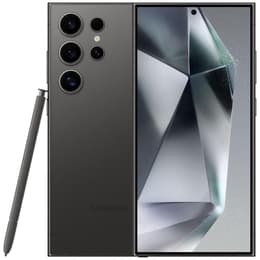
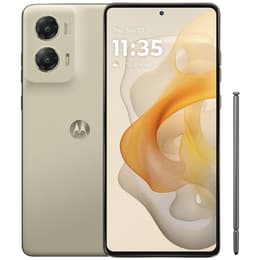
Galaxy S24 Ultra • Unlocked vs Motorola Moto G Stylus 5G (2024) • Unlocked
- 1-year warranty
- Free standard shipping
- Free 30-day returns
Differences at a glance
The Samsung Galaxy S24 Ultra (2024) and the Motorola Moto G Stylus 5G (2024) are modern Android smartphones released in the same year, yet they serve distinct tiers within the mobile market. While both devices support versatile daily productivity through integrated pen input, they diverge significantly in hardware sophistication, software longevity, and core positioning. Both models run the Android operating system with custom manufacturer interfaces, but they cater to entirely different user expectations regarding capability and long-term utility.
Available Models
Color
Storage
Scores
Durability
When examining hardware durability and update longevity, the two devices follow very different support trajectories and material engineering standards.
- Software Support Window: The Samsung Galaxy S24 Ultra benefits from an extended seven-year software support commitment, ensuring long-term system updates and security patches. In contrast, the Motorola Moto G Stylus 5G typically follows a shorter major operating system update lifecycle.
- Build Materials: The Samsung model utilizes a titanium frame and scratch-resistant front glass designed for high-stress resilience, while the Motorola device features a vegan leather back finish paired with a plastic frame and water-repellent sealing.
- Repairability and Lifespan: Both units offer robust everyday durability, though flagship models like the Galaxy S24 Ultra generally retain structural integrity and parts availability over a longer operational span.
Release Year
2024
2024
Last OS Compatibility
Yes
Yes
OS
Android
Android
Foldable
No
No
Performance
Processing power and multitasking capabilities separate these devices into distinct operational categories for everyday tasks and demanding applications.
- Processor Capability: The Galaxy S24 Ultra relies on a high-tier current-generation processor that handles resource-heavy gaming, advanced on-device tools, and rapid app switching smoothly. The Motorola Moto G Stylus 5G utilizes a mid-range processor well-suited for routine browsing, messaging, and moderate multitasking.
- Memory and Storage: Samsung pairs its flagship with generous high-speed RAM configurations, whereas Motorola includes ample onboard storage supplemented by a dedicated microSD card slot for expandable media capacity.
- Battery Behavior: Both devices pack large 5000 mAh batteries capable of sustaining a full day of mixed use, though processor efficiency profiles dictate how quickly power depletes under heavy workloads.
Screen quality
Viewing experiences differ notably due to panel technology, maximum output brightness, and structural dimensions.
- Display Technology: The Galaxy S24 Ultra features a flat 6.8-inch AMOLED display with high resolution and an anti-reflective coating for exceptional clarity. The Motorola Moto G Stylus 5G features a curved-edge 6.7-inch pOLED panel with vivid color reproduction and a smooth 120Hz refresh rate.
- Outdoor Visibility: Samsung achieves a higher peak brightness threshold for direct sunlight legibility, while Motorola offers a bright, responsive screen that handles daily outdoor viewing comfortably.
- Panel Shape: Samsung opts for a sharp-cornered, flat viewing surface optimized for precise stylus drawing, whereas Motorola employs gently curved glass sides for ergonomic hand comfort.
Resolution
1440 x 3120
1080 x 2400
Screen type
Dynamic LTPO AMOLED 2X
P-OLED
Audiovisual
Media capture and audio output hardware reflect the different market tiers and functional priorities of each smartphone.
- Camera Systems: The Galaxy S24 Ultra employs a versatile quad-lens array featuring a high-resolution main sensor and dedicated optical zoom lenses for distant subjects. The Motorola Moto G Stylus 5G relies on a dual-camera setup with optical image stabilization on the main sensor and a wide-angle lens that supports close-up macro photography.
- Low-Light and Video: Samsung delivers detailed low-light processing and steady high-resolution video recording across multiple focal lengths, while Motorola handles everyday snapshots and casual video capture dependably.
- Audio Delivery: Both devices incorporate stereo speakers for media consumption, but the Motorola model retains a traditional 3.5mm headphone jack alongside its wireless audio capabilities.
Main camera
200 megapixels
50 megapixels
Front camera
12 megapixels
32 megapixels
Miscellaneous
Practical everyday features, physical handling, and connectivity standards shape how each phone integrates into daily routines.
- Connectivity Standards: Both models provide 5G network compatibility, modern Wi-Fi protocols, and NFC support for mobile payments, though the flagship Samsung includes faster data transfer speeds through its physical port.
- Port and Biometrics: Samsung relies strictly on a reversible Type-C connection and an ultrasonic under-display fingerprint reader, whereas Motorola includes both an optical fingerprint scanner and a physical headphone port.
- Physical Handling: The Galaxy S24 Ultra has a heavier, boxier footprint to accommodate its internal storage silo for the S Pen, while the Motorola model offers a lighter, curved chassis that rests comfortably in one hand.
Weight
8 oz
7 oz
Screen size (inches)
6.8
6.7
Network
5G
5G
SIM card
Physical SIM + eSIM
Physical SIM
Carrier compatibility
Unlocked
Unlocked
What the community thinks
Users prioritizing high-end photography, extended software longevity, and robust processing headroom will find the Samsung Galaxy S24 Ultra well-suited to their needs. Conversely, users who value traditional conveniences such as expandable storage, a headphone jack, and a lightweight feel for note-taking will gravitate toward the Motorola Moto G Stylus 5G (2024). Opting for a quality-assured refurbished option provides an eco-friendly alternative that extends device life cycles without requiring the purchase of newly manufactured hardware.
Ultimately, the decision rests on whether computational power and multi-lens camera versatility outweigh the practical utility of expandable storage and classic audio ports. Evaluating these core trade-offs ensures a selection that aligns seamlessly with personal daily workflows.