
Samsung
Compare models
Differences at a glance
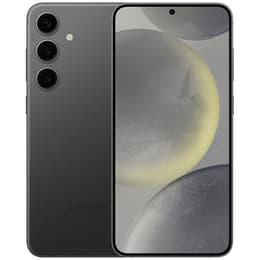
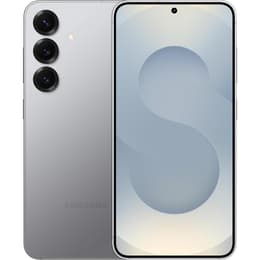
The Samsung Galaxy S24 Plus, released in early 2024, and the Samsung Galaxy S25, launched in early 2025, represent consecutive generations within Samsung's premium smartphone lineup. While both devices operate on the Android platform with Samsung's One UI, the Galaxy S25 introduces an updated processor and subtle refinements over its predecessor, aiming to enhance overall user experience.
Color
Storage
When considering the long-term usability of these devices, both the Galaxy S24 Plus and Galaxy S25 offer substantial software support and a design conducive to practical longevity.
Release Year
Last OS Compatibility
OS
Foldable
The performance capabilities of the Galaxy S24 Plus and Galaxy S25 are driven by their respective internal components, influencing how smoothly they handle various tasks and applications.
The visual experience on both the Galaxy S24 Plus and Galaxy S25 is characterized by high-quality displays, though the newer model may offer subtle enhancements.
Resolution
Screen type
The camera systems on the Galaxy S24 Plus and Galaxy S25 are designed to capture high-quality images and videos, with the newer model largely retaining the established hardware while potentially benefiting from software optimizations.
Beyond core performance and display, several practical elements differentiate the user experience of the Galaxy S24 Plus and Galaxy S25.
Weight
Screen size (inches)
Network
SIM card
Carrier compatibility
The Samsung Galaxy S24 Plus and Galaxy S25 both stand as capable Android smartphones, each offering a compelling set of features for different user priorities. The Galaxy S24 Plus, released in early 2024, has been praised by users for its impressive battery life, vibrant display, and strong overall performance, making it a reliable daily driver. Its camera system performs well in good lighting, and its commitment to seven years of software updates ensures long-term usability.
The Galaxy S25, arriving in early 2025, builds upon this foundation. While many specifications, such as battery capacity and camera hardware, remain similar to its predecessor, the key differentiator lies in its updated processor and potential software optimizations. This newer chipset is expected to deliver enhanced power efficiency and improved handling of advanced AI features, which could translate to a smoother and more intelligent user experience over time. Users have noted that the S25's design may feature slightly thinner bezels, contributing to a more modern aesthetic.
Users prioritizing a device with a proven track record of strong battery performance and robust features at a slightly earlier release point may find the Galaxy S24 Plus well-suited to their needs. Conversely, those who value the very latest in processor technology, potential long-term efficiency gains, and the most up-to-date software support will likely lean towards the Galaxy S25. Both devices offer a premium Android experience, and for those considering a quality-assured refurbished option, both generations provide an eco-friendly alternative to purchasing new.