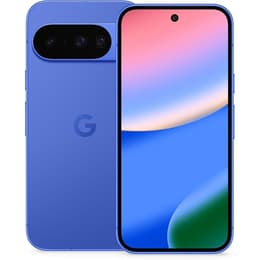

Compare models
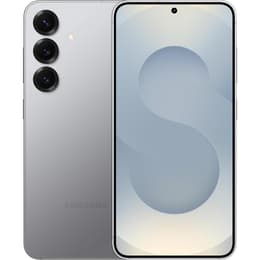
Galaxy S25 • Unlocked vs Google Pixel 10 • Unlocked
- 1-year warranty
- Free standard shipping
- Free 30-day returns
Differences at a glance
The Samsung Galaxy S25 (2025) and the Google Pixel 10 (2025) are compact, high-end Android smartphones designed for users seeking modern performance in a manageable pocket-sized form factor. While both models prioritize efficient daily navigation and deep intelligent software integration, they approach hardware design, camera output, and operating system styling through distinct manufacturer ecosystems.
Available Models
Color
Storage (GB)
Scores
Durability
Both smartphones provide robust long-term utility, though they differ slightly in their update structures and expected physical maintenance requirements.
- Software Support: The Google Pixel 10 benefits from extended multi-year operating system upgrades, whereas the Samsung Galaxy S25 relies on its own structured multi-year update schedule to keep security protocols current.
- Build Integrity: Both handsets feature durable glass-and-aluminum construction with high-level dust and water resistance ratings, ensuring they withstand routine daily exposure.
- Repairability: Authorized service networks support both devices similarly, though sourcing parts for mainstream flagship models is generally straightforward for professional technicians.
Release Year
2025
2025
OS
Android
Android
Foldable
No
No
Performance
Handling everyday multitasking, demanding applications, and background processes is exceptionally fluid on both platforms, though their memory and battery management strategies vary.
- Memory and Storage: Both devices come equipped with ample random access memory to keep multiple apps active simultaneously, paired with fast internal storage options starting at standard capacities.
- System Responsiveness: Applications launch instantly, web pages scroll without stutter, and intensive tasks run smoothly thanks to highly optimized processing hardware.
- Battery Behavior: The Google Pixel 10 includes a slightly larger battery capacity, translating to extended screen-on time for moderate users, while the Galaxy S25 relies on advanced power-efficiency routines to stretch lighter battery cells through a full day.
Screen quality
Viewing content outdoors or streaming media is visually engaging on both devices, though each manufacturer tunes display characteristics differently.
- Display Technology: Both models utilize vibrant OLED panel technology, delivering deep blacks, high contrast ratios, and sharp resolutions for everyday reading and video playback.
- Outdoor Visibility: High peak brightness capabilities on both screens ensure text and images remain legible even under direct sunlight.
- Refresh Rate: Both displays support a maximum 120Hz refresh rate, resulting in fluid animations when scrolling through feeds or navigating system menus.
Resolution
1080x2340
1080x2424
Screen type
Dynamic LTPO AMOLED 2X
OLED
Audiovisual
Capturing everyday memories and recording video are central strengths for both phones, though their photographic philosophies diverge.
- Lens Configurations: The Samsung Galaxy S25 features a reliable triple-lens setup including a dedicated telephoto option, while the Google Pixel 10 utilizes computational photography to maximize clarity across its primary and secondary sensors.
- Low-Light Performance: Both devices excel at retaining shadow detail and minimizing noise in dim environments, aided by automated background image processing.
- Audio and Video: Built-in microphone arrays capture clear audio for calls and video recordings, while integrated stereo speakers provide balanced sound output for media consumption.
Miscellaneous
Practical everyday features round out the physical and digital experience of using either smartphone.
- Connectivity: Both models support modern 5G networks, fast Wi-Fi standards, and Bluetooth pairing for wireless accessories.
- Biometrics: Secure authentication is handled via responsive under-display fingerprint sensors and facial recognition capabilities.
- Physical Handling: The Galaxy S25 offers a noticeably lighter and slimmer profile, whereas the Pixel 10 carries a slightly heavier build that houses a larger physical footprint.
Weight
6 oz
7 oz
Screen size (inches)
6.2
6.3
Network
5G
LTE
SIM card
Physical SIM + eSIM
eSIM
Carrier compatibility
Unlocked
Unlocked
Connector
USB-C
USB-C
What the community thinks
User discussions across community forums highlight distinct preferences for each device. Owners of the Samsung Galaxy S25 frequently praise its lightweight ergonomics, swift system navigation, and traditional multi-lens versatility. Conversely, Google Pixel 10 users often emphasize the intuitive software layout, reliable all-day battery endurance, and clever artificial intelligence tools embedded directly into daily messaging and photo editing workflows.
Users prioritizing a featherlight, compact physical footprint with traditional hardware flexibility will find the Samsung Galaxy S25 well-suited to their routine. On the other hand, users who value extended software update commitments and conversational artificial intelligence assistance may lean toward the Google Pixel 10. For those exploring a quality-assured refurbished option, both models offer a sustainable choice that reduces electronic waste without compromising on flagship-tier daily performance.