
Compare models
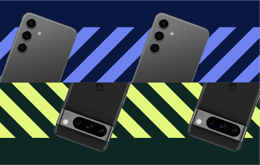
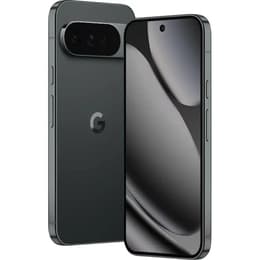
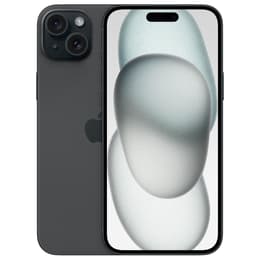
Google Pixel 10 Pro XL • Unlocked vs iPhone 15 Plus • Unlocked
- 1-year warranty
- Free standard shipping
- Free 30-day returns
Differences at a glance
The Google Pixel 10 Pro XL (2025) and the iPhone 15 Plus (2023) represent two distinct approaches to large-screen smartphones, each operating within its own established ecosystem. While the Google Pixel 10 Pro XL runs on Android with deep custom artificial intelligence integration, the iPhone 15 Plus operates on iOS with a focus on streamlined daily utility. Choosing between these devices involves looking past their similar screen sizes to evaluate how their software environments, camera philosophies, and hardware configurations align with your daily habits.
Available Models
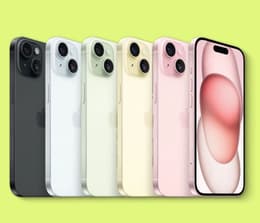
Color
Storage
Scores
Durability
When examining longevity, both devices offer robust build quality and extended software support windows, though they differ in their release timelines and update frameworks.
- Software Support Timeline: The Google Pixel 10 Pro XL benefits from a newer release date and a multi-year update commitment covering both operating systems and security patches. The iPhone 15 Plus relies on Apple's established history of supporting devices with regular system updates for several years following its initial launch.
- Repairability and Build: Both smartphones utilize reinforced glass and sturdy metal framing designed to withstand regular wear. Authorized service networks for both brands provide straightforward access to battery replacements and screen repairs, helping extend their practical working lifespan.
Release Year
2025
2023
OS
Android
iOS
Foldable
No
No
Performance
Under everyday conditions, both models handle complex tasks, navigation apps, and media streaming smoothly, though they manage multitasking and hardware resources differently.
- Multitasking and Memory: The Google Pixel 10 Pro XL features generous system memory that keeps multiple demanding applications open simultaneously without background reloading. The iPhone 15 Plus uses tightly integrated hardware and software optimization to maintain consistent responsiveness during standard daily use.
- Battery Behavior: Both units house large physical batteries capable of lasting through a full day of mixed usage, including web browsing, messaging, and video playback. Charging speeds vary slightly, with both supporting wired and wireless power delivery options for convenient daily replenishment.
- Storage Configuration: Both devices offer multiple internal storage tiers to accommodate large photo libraries, downloaded media files, and offline documents without relying on external expansion cards.
Screen quality
Visual output on both smartphones centers on expansive, high-contrast panels that deliver clear text and vibrant media reproduction.
- Display Technology: Both models utilize advanced organic light-emitting diode panels that produce deep black levels and wide viewing angles. The Google Pixel 10 Pro XL features an adaptive refresh rate reaching high frequencies for fluid scrolling, while the iPhone 15 Plus maintains a standard refresh rate optimized for battery conservation.
- Brightness and Outdoor Legibility: Peak brightness levels on both screens allow for comfortable readability under direct sunlight or bright outdoor environments. Color calibration settings on each device provide natural skin tones and accurate color profiles for photo viewing.
Resolution
1344 x 2992
1290 x 2796
Screen type
LTPO OLED
Super Retina XDR OLED
Audiovisual
Photography and video recording suites on these devices cater to everyday creators and casual documentarians through distinct hardware and software combinations.
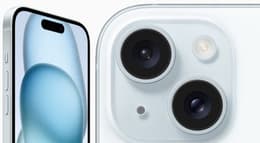
- Camera Array: The Google Pixel 10 Pro XL employs a versatile triple-lens rear setup including a dedicated telephoto zoom lens for distant subjects. The iPhone 15 Plus utilizes a dual-lens rear configuration supported by advanced computational photography to capture high-detail standard and wide-angle images.
- Video and Audio: Video stabilization features on both phones produce steady footage while walking or panning. Integrated multi-microphone arrays capture clear dialogue for video recordings, phone calls, and virtual meetings while minimizing background wind noise.
Miscellaneous
Practical daily usability is shaped by physical dimensions, connectivity standards, and biometric security features built into each chassis.
- Connectivity and Ports: Both handsets support modern fifth-generation cellular networks, rapid wireless local area network standards, and universal USB-C ports for charging and data transfer.
- Security and Biometrics: The Google Pixel 10 Pro XL integrates an under-display fingerprint sensor alongside facial recognition, whereas the iPhone 15 Plus relies exclusively on a secure face-scanning sensor housed within its display cutout.
- Ergonomics: Large screen footprints on both devices provide ample viewing space for productivity and entertainment, though users with smaller hands may require two-handed operation for comfortable reach.
Weight
8 oz
201 oz
Screen size (inches)
6.8
6.7
Network
5G
5G
SIM card
eSIM
eSIM
Carrier compatibility
Unlocked
Unlocked
Connector
USB-C
USB-C (USB 2)
What the community thinks
User feedback from online communities highlights distinct preferences for each device based on ecosystem familiarity and intended use cases. Owners of the Google Pixel 10 Pro XL frequently praise its versatile multi-lens camera system, smooth high-refresh-rate display, and deep integration of smart assistant features. Conversely, users of the iPhone 15 Plus often emphasize appreciation for its straightforward operating system, reliable daily battery endurance, and comfortable hand-feel despite its large physical footprint. Common discussions sometimes note that the iPhone's standard display refresh rate trails behind competitors, while some Pixel users mention that the larger body size requires an adjustment period during one-handed use.
Users prioritizing advanced zoom photography, high-refresh-rate scrolling, and deep customization options may find the Google Pixel 10 Pro XL well-suited to their preferences. Meanwhile, users prioritizing a streamlined operating system, reliable battery longevity, and seamless integration with existing tablet or computer ecosystems may lean toward the iPhone 15 Plus. For buyers exploring sustainable purchasing choices, a quality-assured refurbished option from Back Market provides a reliable, eco-friendly alternative that extends device life cycles without compromising on performance or reliability.