
Compare models

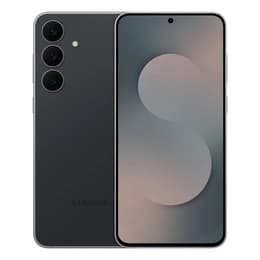
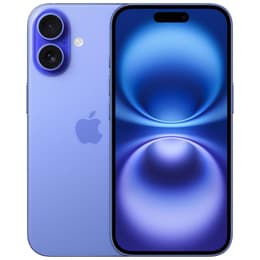
Galaxy S25 FE • Unlocked vs iPhone 16 • Unlocked

  • 1-year warranty
  • Free standard shipping
  • Free 30-day returns
Galaxy S25 FE • Unlocked
Starting at

Refurbished price:$379.00

Versus $649.00 new

See options
iPhone 16 • Unlocked
Starting at

Refurbished price:$560.00

Versus $729.00 new

See options

Differences at a glance

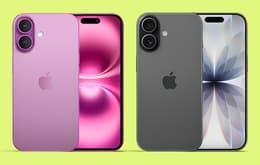
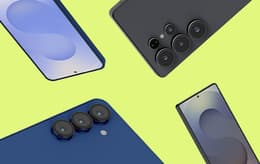
The Samsung Galaxy S25 FE (2025) and the Apple iPhone 16 (2024) represent major device lineups designed to deliver flagship-level capabilities in standard form factors. While the Galaxy S25 FE runs on Android and provides a larger canvas, the iPhone 16 operates on iOS with a more compact footprint. These two smartphones differ primarily in screen estate, operating system ecosystems, and physical proportions while catering to daily productivity and media consumption.

Available Models

Color

Storage (GB)

Scores

Durability

Both smartphones are built to handle years of daily use, though their software update timelines and hardware longevity structures differ slightly based on release schedules and manufacturer support policies.

  • Software Support and Updates: The iPhone 16 benefits from Apple's long-standing update consistency, while the Galaxy S25 FE arrives with several years of promised Android OS upgrades and security patches. Both models ensure robust software viability for long-term users.
  • Repairability and Build Longevity: Each device utilizes sturdy frame materials and reinforced glass protection to resist typical wear and tear. Professional service networks and quality-assured refurbished options [Back Market] make maintaining or replacing components straightforward for owners seeking sustainable device lifecycles.
  • Battery Degradation Management: Both handsets incorporate smart charging software designed to slow chemical aging in daily use, helping maintain dependable daily endurance over years of regular charging cycles.

Release Year

2025

2024

Last OS Compatibility

No

Yes

Foldable

No

No

Performance

Handling daily apps, heavy multitasking, and demanding games smoothly, both devices utilize robust processing configurations paired with efficient internal memory management.

  • Multitasking and App Responsiveness: The Galaxy S25 FE and iPhone 16 both switch between resource-heavy applications without stuttering, loading large games and productivity tools efficiently thanks to responsive internal hardware and optimized RAM allocations.
  • Storage Configurations: Multiple internal storage capacities are available across both lineups to accommodate varying user needs for local photos, offline media, and large applications.
  • Battery Endurance: The Galaxy S25 FE features a larger physical battery capacity designed to comfortably stretch through intensive daily workloads, whereas the iPhone 16 relies on tight hardware-software integration to maximize power efficiency across its smaller frame.

Screen quality

Visual experiences differ noticeably in size and panel characteristics, though both screens deliver sharp clarity and vibrant color reproduction for everyday viewing.

  • Display Technology and Size: The Galaxy S25 FE features a larger 6.7-inch AMOLED display, while the iPhone 16 utilizes a more compact 6.1-inch OLED screen, both offering deep contrast levels and rich color depth.
  • Refresh Rate and Fluidity: The Galaxy S25 FE supports a 120Hz refresh rate for extra smooth scrolling through web pages and menus, complementing the responsive touch tracking found on both devices.
  • Outdoor Visibility: High peak brightness capabilities on both panels ensure that text and images remain legible even when used directly under bright sunlight.

Resolution

1080x2340

1179 x 2556

Screen type

Dynamic LTPO AMOLED 2X

Super Retina XDR OLED

Audiovisual

Capturing everyday moments and recording high-definition video is handled capably by the multi-lens setups on each smartphone.

  • Rear Camera Versatility: The Galaxy S25 FE includes a dedicated telephoto lens for optical zoom framing, whereas the iPhone 16 employs a dual-lens setup optimized for sharp main and ultra-wide imagery.
  • Low-Light and Video Performance: Both devices process challenging lighting conditions automatically to reduce noise in dark environments, and offer stable video recording features for capturing smooth moving footage.
  • Audio and Media Output: Stereo speaker systems on both models deliver clear sound reproduction for hands-free calls, casual video viewing, and listening to music without external speakers.

Miscellaneous

Practical physical and connectivity specifications shape how comfortable each device feels during everyday handling and travel.

  • Physical Dimensions and Handling: The Galaxy S25 FE provides a larger workspace within a relatively thin profile, while the iPhone 16 offers a smaller, lighter build that fits more easily into tight pockets and single-handed grips.
  • Connectivity Standards: Both smartphones support modern 5G cellular networks, fast Wi-Fi protocols, and Bluetooth for reliable accessory pairing.
  • Authentication and Sensors: Biometric security is handled via fast in-display fingerprint reading or facial recognition technology depending on the model, complemented by standard navigation and motion sensors.

Weight

7 oz

185 oz

Screen size (inches)

6.7

6.1

Network

5G

5G

SIM card

Physical SIM + eSIM

eSIM

Carrier compatibility

Unlocked

Unlocked

Connector

USB-C

USB-C (USB 2)

What the community thinks

Choosing between the Samsung Galaxy S25 FE and the iPhone 16 largely depends on preferred operating systems and physical dimensions. Users prioritizing a larger display canvas, higher refresh rate scrolling, and Android flexibility will find the Galaxy S25 FE well-suited to their daily routines. Conversely, users seeking a compact, pocket-friendly device with Apple's streamlined software ecosystem and efficient day-to-day power management will likely lean toward the iPhone 16.

Real-world feedback highlights the Galaxy S25 FE for its expansive screen space and smooth viewing experience, while the iPhone 16 receives consistent praise for its ergonomic handling and reliable system stability. For those exploring eco-friendly purchasing paths, choosing a quality-assured refurbished option [Back Market] provides a sustainable way to acquire either model while supporting circular economy practices.

Our recent comparisons