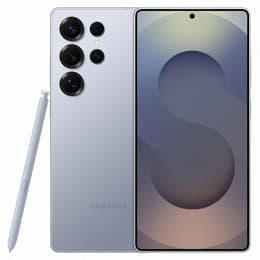


Galaxy S25 Ultra • Unlocked vs Google Pixel 7 Pro • Unlocked

Galaxy S25 Ultra • Unlocked
Starting at

Refurbished price:$749.99

Versus $1,299.00 new

See options
Google Pixel 7 Pro • Unlocked
Starting at

Refurbished price:$221.00

Versus $899.99 new

See options

Ratings

The Samsung Galaxy S25 Ultra, released in February 2025, and the Google Pixel 7 Pro, launched in October 2022, represent distinct approaches to the high-end Android smartphone market. While both devices offer premium experiences, the Galaxy S25 Ultra focuses on advanced hardware, a versatile camera system, and integrated S Pen functionality, whereas the Pixel 7 Pro emphasizes Google's AI-driven software and computational photography. Both run on the Android operating system, but with different user interfaces and feature sets.

Scores

Durability

The practical lifespan of a smartphone is heavily influenced by its release timeline and the duration of software support it receives.

  • Release Timeline: The Galaxy S25 Ultra is a significantly newer device, having been released in February 2025. The Google Pixel 7 Pro, launched in October 2022, is over two years older. This age difference directly impacts their remaining support windows.
  • OS Support: Samsung guarantees seven years of Android OS upgrades and security updates for the Galaxy S25 Ultra, extending its support until approximately 2032. The Pixel 7 Pro, on the other hand, was promised five years of updates from its release, meaning its major OS and security updates are nearing their conclusion by late 2027. [3, 20, 26, 38] Users prioritizing long-term software longevity will find the S25 Ultra offers a considerably extended period of current Android versions and security patches.
  • Repairability: The Galaxy S25 Ultra has an iFixit repairability score of 5 out of 10, noted for improvements like easier battery swaps with pull tabs and modular camera components. [5, 6, 11, 15, 16] The Pixel 7 Pro received a similar score of 5.5 out of 10 from PBKreviews, with some sources giving it a 7/10, but it is generally considered challenging to repair due to strong adhesives and a soldered charging port. [4, 12, 14, 17, 22]

Release Year

2025

2022

Last OS Compatibility

Yes

Yes

OS

Android

Android

Foldable

No

No

Performance

Performance is a key differentiator, with the newer Galaxy S25 Ultra benefiting from more recent advancements in mobile processing technology.

  • Processing Power: The Galaxy S25 Ultra is equipped with a current-generation processor designed for demanding tasks, offering substantial improvements in CPU, GPU, and Neural Processing Unit (NPU) performance compared to its predecessor. [18, 23, 32, 35, 36] This translates to smoother operation for intensive applications, advanced AI features running locally, and a highly responsive user experience. The Pixel 7 Pro, powered by its custom processor, delivers a capable performance for everyday use and Google's signature AI features, but it is an older generation chip. [9, 20, 25, 34]
  • Multitasking and Responsiveness: Both devices offer 12GB of RAM, which is ample for handling multiple applications simultaneously. [9, 10, 18, 19, 20, 25, 29, 34, 37] However, the S25 Ultra's more powerful processor and optimized software contribute to a perceptibly faster and more fluid experience, especially when switching between heavy applications or engaging in graphically intensive gaming. [18, 35]
  • Storage Options: The Galaxy S25 Ultra offers storage configurations up to 1TB, utilizing faster UFS 4.0 technology. [10, 19, 29, 37] The Pixel 7 Pro is available with up to 512GB of internal storage. [9, 20, 25, 34] Neither device supports expandable storage via a microSD card. [20, 37]

Memory (GB)

12 GB

8 GB

Screen quality

Both smartphones feature high-quality displays, but the Galaxy S25 Ultra incorporates newer panel technology and higher brightness capabilities.

  • Display Technology and Clarity: The Galaxy S25 Ultra features a 6.9-inch Dynamic LTPO AMOLED 2X display with a QHD+ resolution (3120x1440 pixels), offering exceptional clarity and vibrant colors. [1, 13, 19, 29, 37, 43] The Pixel 7 Pro has a 6.7-inch LTPO AMOLED display with a QHD+ resolution (1440x3120 pixels), also providing a sharp and detailed viewing experience. [9, 25, 34]
  • Brightness and Outdoor Visibility: The S25 Ultra boasts a peak brightness of 2600 nits, with real-world tests showing high sustained brightness, and includes Corning Gorilla Armor 2 with an anti-reflective coating for improved outdoor visibility and reduced glare. [1, 13, 19, 29, 37, 43, 44] The Pixel 7 Pro offers a peak brightness of 1500 nits, which is still bright enough for most outdoor conditions. [9, 25, 34]
  • Refresh Rate and Smoothness: Both devices feature an adaptive 120Hz refresh rate, ensuring smooth scrolling, fluid animations, and a responsive touch experience. [1, 9, 13, 19, 25, 29, 34, 37, 43] The S25 Ultra's LTPO technology allows for a wider range of refresh rate adjustments (down to 1Hz) for better power efficiency. [13, 29]

Resolution

1440x3120

1440 x 3120

Screen type

Dynamic LTPO AMOLED 2X

LTPO AMOLED

Audiovisual

Both devices offer advanced camera systems, but with different strengths and philosophies in image processing.

  • Camera System Capabilities: The Galaxy S25 Ultra features a versatile quad-camera setup, including a 200MP main sensor, a new 50MP ultrawide lens that also handles macro photography, a 50MP periscope telephoto with 5x optical zoom, and a 10MP telephoto with 3x optical zoom. [10, 18, 19, 24, 29, 37] The Pixel 7 Pro has a triple-camera system with a 50MP wide, 48MP telephoto (5x optical zoom), and 12MP ultrawide lens. [9, 20, 34]
  • Photography Performance: The S25 Ultra delivers excellent detail, vibrant colors, and strong zoom performance across its range, performing well in both daylight and low-light conditions. [7, 18, 21, 28, 31] Its ultrawide camera has seen significant improvements. [21] The Pixel 7 Pro is renowned for its computational photography, producing images with natural colors and excellent dynamic range, particularly excelling in natural skin tones. [28]
  • Video Recording and Audio: The S25 Ultra supports up to 8K video recording at 30fps and includes a LOG mode for professional-grade video capture, along with solid stabilization. [29, 31, 37] The Pixel 7 Pro records video at up to 4K at 30fps. [20] Both devices offer stereo speakers and good microphone quality for calls and recordings. [25, 29]

Miscellaneous

Beyond core features, several practical elements contribute to the overall user experience of these devices.

  • Connectivity and Ports: The Galaxy S25 Ultra supports the latest Wi-Fi 7 standard, along with 5G connectivity, offering faster wireless speeds and improved network efficiency. [10, 29] The Pixel 7 Pro also features 5G and modern Wi-Fi standards, ensuring reliable connectivity. Both devices utilize a USB-C port for charging and data transfer. [9, 20, 25, 29]
  • Biometrics and Sensors: Both smartphones incorporate ultrasonic in-screen fingerprint sensors for secure unlocking. [1, 2, 25, 29, 37] The Galaxy S25 Ultra uniquely integrates the S Pen stylus, offering a range of productivity and creative tools like quick notes, AI Select, and Magnify, though its Bluetooth functionality for remote control has been removed. [1, 8, 15, 27, 33, 40]
  • Design and Build: The S25 Ultra features a titanium frame and Corning Gorilla Armor 2 on both the front and back, providing enhanced durability and scratch resistance. [1, 2, 29, 37, 41] It weighs 218g and has dimensions of 162.8 x 77.6 x 8.2 mm. [10, 29, 37, 41] The Pixel 7 Pro has a glass front and back with Corning Gorilla Glass Victus protection and an aluminum frame, weighing 212g with dimensions of 162.9 x 76.6 x 8.9 mm. [9, 25, 30] Both are IP68 rated for dust and water resistance. [2, 9, 10, 29, 37]

Weight

8 oz

7 oz

Screen size (inches)

6.9

6.7

Network

5G

5G

SIM card

Physical SIM + eSIM

Physical SIM + eSIM

Carrier compatibility

Unlocked

Unlocked

User sentiment for the Galaxy S25 Ultra often praises its cutting-edge display, powerful performance, and the versatility of its camera system, particularly the improved ultrawide lens and advanced video features like LOG mode. [7, 18, 21, 28, 31, 35, 37, 43] The integrated S Pen, despite the removal of Bluetooth features, remains a unique and valued productivity tool for many. [8, 27, 33, 40] Criticisms sometimes point to Samsung's characteristic vibrant, sometimes over-processed, image style in auto mode, which may not appeal to all users. [28, 31]

The Google Pixel 7 Pro is frequently lauded for its exceptional computational photography, delivering natural-looking photos and excellent skin tones, often considered a strong point for casual point-and-shoot photography. [28] Users also appreciate its clean Android experience and Google's exclusive AI features. Common concerns for the Pixel 7 Pro, given its age, revolve around its shorter remaining software support window compared to newer flagships and its processor, which, while capable, is not as powerful as the latest generation chips. [20]

Users prioritizing the absolute latest in hardware performance, a highly versatile camera system with extensive zoom capabilities, a brighter display, and the unique functionality of an integrated stylus will find the Samsung Galaxy S25 Ultra well-suited to their needs. Its extended software support also makes it a strong choice for those seeking long-term device relevance. Conversely, users who value a more natural photographic output, a streamlined Android experience, and Google's specific AI integrations may lean toward the Google Pixel 7 Pro. For those considering either device, exploring quality-assured refurbished options can provide an eco-friendly alternative to extend the life cycle of these advanced smartphones.

See all articles

Our recent comparisons