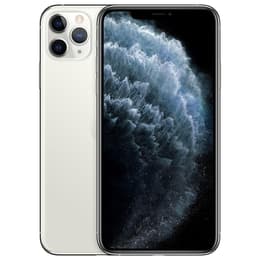

Galaxy S9 • Unlocked vs iPhone 11 Pro Max • Unlocked

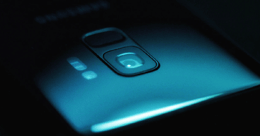
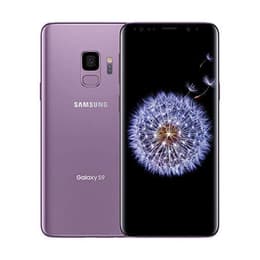
Galaxy S9 • Unlocked
Starting at

Refurbished price:$106.00

Versus $399.00 new

See options
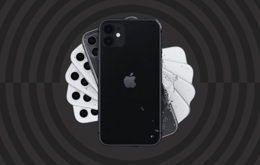
iPhone 11 Pro Max • Unlocked
Starting at

Refurbished price:$214.00

Versus $849.00 new

See options

Ratings

The Samsung Galaxy S9, released in March 2018, and the iPhone 11 Pro Max, launched in September 2019, represent different approaches to flagship smartphone design and functionality from their respective manufacturers. While both offer premium experiences, key differentiators lie in their operating systems, camera capabilities, and overall performance profiles. The Galaxy S9 operates on the Android platform, offering a customizable user experience, whereas the iPhone 11 Pro Max runs on Apple's iOS, known for its integrated ecosystem and consistent interface.

Scores

Durability

When considering the practical lifespan of these devices, several factors come into play, including their initial release dates and subsequent software support.

  • Release Timeline and Software Support: The Samsung Galaxy S9, released in March 2018, typically received major Android operating system updates for about two to three years, concluding around Android 10 in February 2020. Security updates continued for a period after that, with its end-of-life for updates in April 2022. In contrast, the iPhone 11 Pro Max, launched in September 2019, benefits from Apple's longer software support cycle, likely receiving iOS updates for five to six years from its release, potentially extending its functional software life well into 2024 or 2025.
  • Physical Durability: Both devices feature an IP68 rating for water and dust resistance, indicating a similar level of protection against environmental elements. The Galaxy S9 utilizes Corning Gorilla Glass 5 for screen protection, while the iPhone 11 Pro Max features a custom-designed glass.
  • Repairability Considerations: Both smartphones, with their glass front and back designs, present a moderate level of complexity for repairs. The availability of parts and repair services can vary, but quality-assured refurbished options offer a sustainable choice for extending the life of these devices.

Release Year

2018

2019

Last OS Compatibility

No

Yes

OS

Android

iOS

Foldable

No

No

Performance

The performance of a smartphone is largely determined by its internal components, impacting everything from app loading times to multitasking efficiency and battery endurance.

  • Processing Power: The Samsung Galaxy S9 is powered by a processor that, while capable for its time, may exhibit slower performance with more demanding modern applications and extensive multitasking compared to newer devices. The iPhone 11 Pro Max features a more recent and powerful processor, which allows for smoother operation across a wide range of applications, including graphically intensive games and complex editing tasks, providing a more responsive user experience.
  • Battery Performance: The Galaxy S9 is equipped with a 3000 mAh battery, which, for many users, typically provides a full day of moderate use but may require more frequent charging with heavy usage. The iPhone 11 Pro Max, with its larger 3969 mAh battery, generally offers extended battery life, often lasting through a full day of heavy use and sometimes into a second day for lighter users.
  • Storage and Multitasking: Both devices offer various internal storage configurations. The iPhone 11 Pro Max generally provides a more fluid multitasking experience due to its optimized software and efficient hardware, which can better manage multiple applications running simultaneously.

Memory (GB)

4 GB

4 GB

Screen quality

The display is a primary interface for smartphone interaction, and both devices offer distinct visual experiences.

  • Display Technology and Resolution: The Samsung Galaxy S9 features a 5.8-inch Super AMOLED display with a resolution of 2960 x 1440 pixels, resulting in a high pixel density that delivers sharp images and vibrant colors. The iPhone 11 Pro Max boasts a larger 6.5-inch Super Retina XDR OLED display with a resolution of 2688 x 1242 pixels, offering excellent clarity, deep blacks, and support for HDR content.
  • Brightness and Viewing Experience: Both screens provide ample brightness for outdoor visibility. The iPhone 11 Pro Max's Super Retina XDR display is particularly noted for its high peak brightness, enhancing HDR content viewing. The larger screen size of the iPhone 11 Pro Max offers a more expansive viewing area, which can be beneficial for media consumption and productivity tasks.
  • Refresh Rate: Both the Galaxy S9 and the iPhone 11 Pro Max feature a standard 60Hz refresh rate, providing a smooth visual experience for everyday tasks.

Resolution

1440 x 2960

1242 x 2688

Screen type

Super AMOLED

Super Retina XDR OLED

Audiovisual

Camera capabilities are a significant factor for many users, and these two devices offer different photographic strengths.

  • Rear Camera System: The Samsung Galaxy S9 features a single 12-megapixel rear camera with a variable aperture (f/1.5-f/2.4), which was innovative for its ability to adapt to different lighting conditions, performing well in both bright and low-light environments. The iPhone 11 Pro Max introduced a versatile triple 12-megapixel camera system, including a wide, ultra-wide, and telephoto lens. This setup provides greater flexibility for various photographic scenarios, from expansive landscapes to zoomed-in shots.
  • Low-Light and Advanced Features: The iPhone 11 Pro Max significantly improved low-light photography with its dedicated Night Mode, which captures brighter and more detailed images in challenging lighting. It also features Deep Fusion for enhanced detail and texture in medium-light conditions. While the Galaxy S9's variable aperture helps in low light, it does not offer a comparable dedicated night mode.
  • Video Recording and Front Camera: Both phones are capable of recording 4K video at 60 frames per second. The iPhone 11 Pro Max also features a 12-megapixel front camera with advanced capabilities like 4K video recording and slow-motion selfies, while the Galaxy S9 has an 8-megapixel front camera.

Main camera

12 megapixels

12 megapixels

Front camera

8 megapixels

12 megapixels

Miscellaneous

Beyond core features, several other elements contribute to the overall user experience and practical utility of a smartphone.

  • Connectivity and Ports: The Samsung Galaxy S9 includes a 3.5mm headphone jack, a feature absent on the iPhone 11 Pro Max. The Galaxy S9 uses a USB-C port for charging and data transfer, offering broad compatibility. The iPhone 11 Pro Max utilizes Apple's proprietary Lightning port. Both devices support standard Wi-Fi and Bluetooth connectivity, with the iPhone 11 Pro Max supporting Wi-Fi 6 for potentially faster and more efficient wireless connections.
  • Biometric Security: The Galaxy S9 offers a rear-mounted fingerprint sensor and iris scanning for biometric authentication. The iPhone 11 Pro Max relies on Face ID, Apple's facial recognition system, for secure unlocking and payments.
  • Physical Design and Handling: The iPhone 11 Pro Max is a larger and heavier device compared to the Galaxy S9, which can impact one-handed use and pocketability. The choice between the two often comes down to personal preference for screen size and overall device footprint.

Weight

6 oz

8 oz

Screen size (inches)

5.8

6.5

Network

LTE

LTE

SIM card

Physical SIM

Physical SIM + eSIM

Carrier compatibility

Unlocked

Unlocked

Connector

USB-C + Jack 3.5mm

Lightning

The Samsung Galaxy S9 and iPhone 11 Pro Max cater to different user preferences, reflecting their respective ecosystems and design philosophies. User feedback for the Galaxy S9 often highlights its impressive Super AMOLED display, the convenience of the headphone jack, and its relatively compact form factor for its release era. Common criticisms sometimes pointed to its battery life compared to some contemporaries and the eventual cessation of major software updates.

The iPhone 11 Pro Max, on the other hand, is frequently praised for its robust performance, exceptional battery life, and the versatility of its triple-camera system, particularly its low-light capabilities. Some users found its size and weight to be substantial, and the display notch was a point of discussion.

Users prioritizing a highly customizable Android experience, the presence of a headphone jack, and a physical fingerprint sensor may find the Galaxy S9 well-suited to their needs. Conversely, those who value long-term software support, a powerful and versatile camera system, extended battery life, and the integrated iOS ecosystem will likely lean towards the iPhone 11 Pro Max. Both devices, when acquired as quality-assured refurbished options, offer an eco-friendly alternative for consumers seeking reliable technology. The decision ultimately depends on individual priorities regarding operating system preference, camera features, and device size.


See all articles

Our recent comparisons