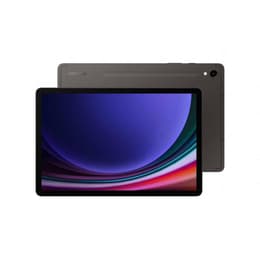
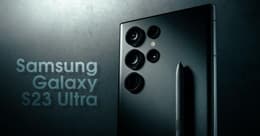
Galaxy Tab S8 (11.0", 2022) vs Galaxy Tab S9 Ultra (14.6", 2023)

Galaxy Tab S8 (11.0", 2022)
Starting at

Refurbished price:$309.00

Versus $655.00 new

See options
Galaxy Tab S9 Ultra (14.6", 2023)
Starting at

Refurbished price:$580.05

Versus $1,200.00 new

See options

Ratings

The Samsung Galaxy Tab S8, released in early 2022, and the Galaxy Tab S9 Ultra, launched in mid-2023, represent different segments within Samsung's premium tablet lineup. While both operate on the Android platform with Samsung's One UI, they cater to distinct user needs primarily due to significant differences in their display size, underlying display technology, and processing power. The Tab S8 offers a more compact form factor, whereas the Tab S9 Ultra provides an expansive screen and enhanced capabilities for demanding tasks.

Scores

Durability

The longevity of a tablet is influenced by its release date, software support, and physical durability.

  • Software Support: The Galaxy Tab S8, released in March 2022, is expected to receive major Android OS updates until 2026 (up to Android 16/One UI 8.0) and security updates until 2027. The newer Galaxy Tab S9 Ultra, launched in August 2023, benefits from an extended support window, anticipating major Android OS updates until 2027 (up to Android 17) and security updates for five years from its release.
  • Repairability: Both tablets present challenges in repair due to the use of strong adhesives, particularly for the screen and battery. The Galaxy Tab S8 received a repairability score of 5.5 out of 10, with screen removal being a delicate process. The Galaxy Tab S9 Ultra's repairability is rated as moderate, with a score of 6.0 out of 10, noting that while the battery is accessible, the screen removal remains a delicate procedure.
  • Physical Durability: The Galaxy Tab S9 Ultra features an Armor Aluminum build and an IP68 rating for dust and water resistance, offering enhanced protection against environmental elements. The Galaxy Tab S8, while also featuring an aluminum frame, does not carry an official IP rating.

Release Year

2022

2023

Compatible with latest Update

Yes

Yes

OS

Android

Android

Performance

Performance is a key differentiator, impacting how smoothly applications run and how efficiently the device handles multitasking.

  • Processing Power: The Galaxy Tab S8 is equipped with a capable processor that handles everyday tasks, web browsing, and moderate gaming smoothly. The Galaxy Tab S9 Ultra features a newer, more advanced processor designed for enhanced performance, particularly noticeable in demanding applications, intensive gaming, and complex multitasking scenarios.
  • Multitasking and Responsiveness: The Tab S8 typically comes with 8GB of RAM, providing a responsive experience for most users. The Tab S9 Ultra offers configurations with 12GB or 16GB of RAM, which contributes to smoother transitions between numerous open applications and more efficient handling of memory-intensive workflows.
  • Battery Behavior: The Galaxy Tab S8, with its 8000mAh battery, offers substantial battery life, often lasting through a full day of mixed usage, with some tests showing nearly 13 hours of web browsing. The Galaxy Tab S9 Ultra, despite its larger 11200mAh battery, may have varying real-world battery life due to its larger, brighter display and more powerful components, though users generally report it lasting a full day or more with typical use. Both support 45W fast charging.

Memory (GB)

8 GB

12 GB

Processor

Qualcomm SM8450 Snapdragon 8 Gen 1

Qualcomm SM8550-AC Snapdragon 8 Gen 2

Screen quality

The display is a central feature of any tablet, and these two models offer distinct viewing experiences.

  • Display Technology and Size: The Galaxy Tab S8 features an 11-inch TFT LCD panel, providing clear visuals and a 120Hz refresh rate for smooth scrolling. The Galaxy Tab S9 Ultra boasts a significantly larger 14.6-inch Dynamic AMOLED 2X display, which offers deeper blacks, more vibrant colors, and superior contrast compared to an LCD.
  • Resolution and Clarity: The Tab S8 has a resolution of 2560 x 1600 pixels, resulting in a pixel density of 276 ppi. The Tab S9 Ultra features a higher resolution of 2960 x 1848 pixels, maintaining a sharp image across its larger screen, with a pixel density of approximately 240 ppi.
  • Brightness and Refresh Rate: The Tab S8's display offers good brightness for indoor use, typically around 420-583 nits. The Tab S9 Ultra's Dynamic AMOLED 2X display reaches a peak brightness of 930 nits, making it more suitable for outdoor visibility and HDR content. Both tablets feature a 120Hz refresh rate, with the Tab S9 Ultra offering an adaptive refresh rate that can dynamically adjust between 60Hz and 120Hz for power efficiency.

Resolution

1600 x 2560

1848 x 2960

Screen type

TFT LCD

Dynamic AMOLED 2X

Pixel density

280ppp

240ppp

Audiovisual

While tablets are not typically primary photography devices, their camera systems are important for video calls and occasional captures.

  • Rear Camera System: The Galaxy Tab S8 includes a dual rear camera setup with a 13MP wide lens and a 6MP ultrawide lens. The Galaxy Tab S9 Ultra also features a dual rear camera system, with a 13MP wide lens and an upgraded 8MP ultrawide lens, offering slightly more detail in wider shots.
  • Front Camera System: For video conferencing and selfies, the Tab S8 has a 12MP ultrawide front camera with auto-framing capabilities. The Tab S9 Ultra enhances this with a dual front camera system, featuring two 12MP lenses (one wide and one ultrawide), providing more versatility for video calls and group selfies.
  • Audio Experience: Both tablets are equipped with quad stereo speakers tuned by AKG and support Dolby Atmos, delivering a rich audio experience for media consumption. The microphone quality on both is suitable for clear voice capture during calls and recordings.

Miscellaneous

Beyond core specifications, several practical features contribute to the overall user experience.

  • Connectivity: Both tablets support modern wireless standards, including Wi-Fi 6E for fast internet connections and USB-C 3.2 for data transfer and charging. The Galaxy Tab S8 features Bluetooth 5.2, while the newer Galaxy Tab S9 Ultra upgrades to Bluetooth 5.3, offering minor improvements in connectivity efficiency and range.
  • Physical Design and Handling: The Galaxy Tab S8 is an 11-inch tablet weighing 503g, making it relatively portable and easy to handle. The Galaxy Tab S9 Ultra, with its expansive 14.6-inch display, is a larger and heavier device at 732g, which can impact portability and one-handed use. Its thin profile, however, is notable for its size.
  • Security and Stylus: Both devices include an S Pen in the box, offering precise input for drawing, note-taking, and navigation. The Tab S9 Ultra's S Pen is also IP68 rated for dust and water resistance. Both tablets feature biometric security options, including an in-display fingerprint sensor for the S9 Ultra and a side-mounted fingerprint sensor for the S8.

Weight

18 oz

15 oz

Screen size (inches)

11.0

14.6

Network

Wi-Fi

Wi-Fi

Carrier compatibility

Without SIM Port

Without SIM Port

Connector

USB Type-C

USB Type-C

User sentiment often highlights the Galaxy Tab S8 as a solid all-around Android tablet, praised for its balanced performance and good battery life for its class. Some users, however, note that its LCD screen, while good, doesn't offer the same visual impact as AMOLED displays found in higher-end models. The Galaxy Tab S9 Ultra is frequently lauded for its massive, vibrant AMOLED display, making it an excellent choice for media consumption, creative work, and productivity with its ample screen real estate. Criticisms sometimes point to its sheer size, which can make it less portable for some, and the potential for Android's tablet software to not always fully utilize such a large screen.

Users prioritizing a more compact and portable device for general use, content consumption, and light productivity will find the Galaxy Tab S8 well-suited to their needs. Its performance is robust for most daily tasks, and its battery life is dependable. Conversely, users who require a large, high-quality display for immersive media, detailed creative work, or extensive multitasking will lean towards the Galaxy Tab S9 Ultra. Its enhanced processing power and larger RAM options also make it a better fit for demanding applications. Both tablets offer a quality-assured refurbished option, providing an eco-friendly alternative for those seeking a premium tablet experience.


See all articles

Our recent comparisons