
Galaxy Tab S9 Ultra (14.6", 2023) vs iPad Air 6 (2024, M2 series)

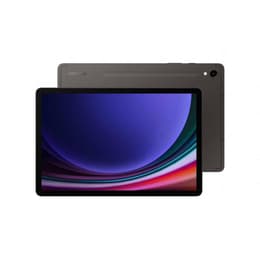
Galaxy Tab S9 Ultra (14.6", 2023)
Starting at

Refurbished price:$582.05

Versus $1,200.00 new

See options
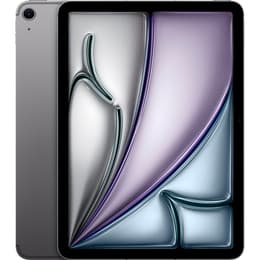
iPad Air 6 (2024, M2 series)
Starting at

Refurbished price:$456.00

Versus $599.00 new

See options

Ratings

The Samsung Galaxy Tab S9 Ultra, released in August 2023, and the Apple iPad Air M2 Series, launched in May 2024, represent two distinct approaches to high-performance tablets. While both devices offer robust capabilities for productivity and entertainment, they differ significantly in their operating systems, display technologies, and overall design philosophy. The Galaxy Tab S9 Ultra runs on Android with Samsung's One UI, offering a large, vibrant OLED display, while the iPad Air M2 Series operates on iPadOS, featuring Apple's powerful M2 chip and Liquid Retina displays in two size options.

Scores

Durability

When considering the long-term usability of these tablets, their release timelines and manufacturer support policies are key factors. The Galaxy Tab S9 Ultra, released in August 2023, typically receives several years of Android operating system updates and security patches from Samsung. The iPad Air M2, launched in May 2024, benefits from Apple's reputation for extended software support, often spanning five to seven years for iPadOS.

  • Software Longevity: The iPad Air M2 is likely to receive software updates for a longer duration, extending its functional lifespan.
  • Physical Durability: The Galaxy Tab S9 Ultra features an Armor Aluminum frame and boasts an IP68 rating for water and dust resistance, offering robust protection against environmental elements. The iPad Air M2 features an aluminum enclosure, providing a durable build.
  • Repairability: Both devices are designed with modern tablet construction. Their practical lifespan can be extended through quality-assured refurbished options, offering a sustainable choice for consumers.

Release Year

2023

2024

Last OS Compatibility

Yes

Yes

OS

Android

iPadOS

Performance

Both tablets deliver substantial processing power, designed to handle demanding applications and multitasking with efficiency. The core difference lies in their underlying architectures and how their respective operating systems leverage these capabilities.

  • Processor Capabilities: The Galaxy Tab S9 Ultra is equipped with a current-generation processor, enabling it to handle demanding tasks and multitasking smoothly. The iPad Air M2 features a powerful chip that delivers significant performance improvements, particularly in graphics and AI capabilities, making it well-suited for intensive applications like video editing and high-demand games.
  • Multitasking and Responsiveness: The Galaxy Tab S9 Ultra, with its generous RAM options (12GB or 16GB), allows for seamless multitasking with multiple windows open. The iPad Air M2 comes with 8GB of RAM, optimized by iPadOS to deliver responsive performance even with numerous apps open.
  • Storage Options: The Galaxy Tab S9 Ultra provides storage options up to 1TB and includes a microSD card slot for further expansion, offering considerable flexibility for users with large media libraries or extensive project files. The iPad Air M2 also offers storage up to 1TB, but without the option for expandable storage.

Memory (GB)

12 GB

8 GB

Screen quality

The visual experience on these tablets is a key differentiator, with each offering distinct display technologies and sizes.

  • Display Technology and Clarity: The Galaxy Tab S9 Ultra features a 14.6-inch Dynamic AMOLED 2X display, known for its deep blacks, vibrant colors, and high contrast. The iPad Air M2 Series utilizes a Liquid Retina (IPS LCD) display, offering accurate color reproduction and wide viewing angles.
  • Size and Resolution: The Galaxy Tab S9 Ultra provides a single, expansive 14.6-inch screen with a resolution of 2960 x 1848 pixels. The iPad Air M2 Series is available in two sizes: an 11-inch model with a 2360x1640 pixel resolution and a 13-inch model with a 2732x2048 pixel resolution. Both iPad Air models maintain a pixel density of 264 pixels per inch.
  • Brightness and Refresh Rate: The Galaxy Tab S9 Ultra's display can reach a peak brightness of 930 nits and features a 120Hz adaptive refresh rate, contributing to smooth scrolling and responsive interactions. The 13-inch iPad Air M2 offers up to 600 nits of brightness, providing good visibility in various lighting conditions, though its refresh rate is 60Hz.

Resolution

1848 x 2960

2360 x 1640

Screen type

Dynamic AMOLED 2X

Liquid Retina display

Pixel density

240ppp

264ppp

Audiovisual

Both tablets feature capable camera systems, with differences in their configurations and specific strengths for various use cases.

  • Rear Camera Systems: The Galaxy Tab S9 Ultra features a dual rear camera setup with a 13MP main lens and an 8MP ultra-wide lens. It supports 4K video recording at 30 frames per second. The iPad Air M2 Series has a single 12MP rear camera with an f/1.8 aperture, capable of recording 4K video at up to 60 frames per second.
  • Front Camera Capabilities: The Galaxy Tab S9 Ultra includes dual 12MP front cameras (main and ultra-wide), which are well-suited for video conferencing and selfies. The iPad Air M2 Series features a 12MP ultra-wide front camera, which has been repositioned to the landscape edge, making it more convenient for video calls when the tablet is used horizontally.
  • Audio Experience: The Galaxy Tab S9 Ultra features quad stereo speakers with Dolby Atmos support, delivering rich and loud audio. The iPad Air M2 also offers stereo speakers, providing clear audio for media consumption.

Miscellaneous

Beyond core performance and display, several practical elements differentiate these two tablets, influencing their handling and overall user experience.

  • Connectivity: Both devices support modern Wi-Fi standards, including Wi-Fi 6E, and Bluetooth 5.3. Cellular models of both tablets offer 5G connectivity.
  • Port Types: Both the Galaxy Tab S9 Ultra and the iPad Air M2 utilize a USB-C port for charging and data transfer.
  • Stylus Support: The Galaxy Tab S9 Ultra includes the S Pen in the box, which is IP68 water and dust resistant. The iPad Air M2 supports the Apple Pencil Pro and Apple Pencil (USB-C), which are sold separately.
  • Weight and Dimensions: The Galaxy Tab S9 Ultra is notably thin at 5.5mm and weighs around 732g for the Wi-Fi model, which is impressive given its large 14.6-inch screen size. The 13-inch iPad Air M2 is also thin at 6.1mm and weighs approximately 617g, offering a lighter feel for its size.

Weight

15 oz

17 oz

Screen size (inches)

14.6

11

Network

Wi-Fi

Wi-Fi

Carrier compatibility

Without SIM Port

Without SIM Port

User sentiment often highlights the Galaxy Tab S9 Ultra's expansive and vibrant OLED display as a major draw, particularly for media consumption and creative work that benefits from a large canvas. Some users find its size can make it less portable, though its thin profile helps. The included S Pen and its integration with Samsung's software are frequently praised.

For the iPad Air M2, common praise centers on its powerful performance, attributed to the M2 chip, which allows for smooth handling of demanding applications and gaming. The availability of two screen sizes, including a larger 13-inch option, is also a positive for many. Criticisms sometimes point to the LCD display technology compared to OLED alternatives, and the separate purchase required for the Apple Pencil.

Users prioritizing a large, high-contrast OLED display for immersive media and drawing, especially with an included stylus, may find the Galaxy Tab S9 Ultra well-suited to their needs. Those who value a powerful processor for intensive tasks, a robust app ecosystem, and the option of a slightly more compact large-screen tablet might lean toward the iPad Air M2. Both devices offer compelling experiences, and considering a quality-assured refurbished option can provide an eco-friendly alternative for either choice.

See all articles

Our recent comparisons