
Galaxy Z Flip4 • Unlocked vs iPhone 11 • Unlocked

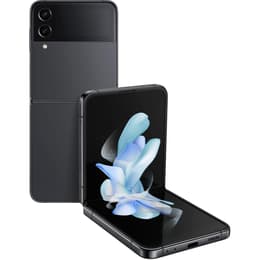
Galaxy Z Flip4 • Unlocked
Starting at

Refurbished price:$206.00

Versus $899.99 new

See options
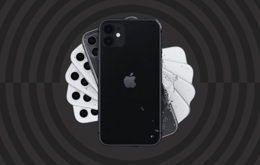
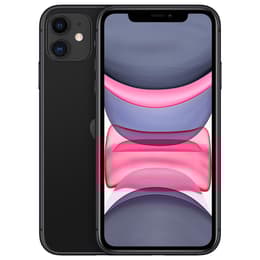
iPhone 11 • Unlocked
Starting at

Refurbished price:$152.00

Versus $499.00 new

See options

Ratings

The Samsung Galaxy Z Flip4, released in August 2022, and the Apple iPhone 11, launched in September 2019, represent distinct approaches to smartphone design and functionality. While both are capable devices, they cater to different user preferences, primarily due to the Z Flip4's innovative foldable form factor and the iPhone 11's traditional slate design. They operate on different ecosystems, with the Z Flip4 running Android and the iPhone 11 running iOS, offering unique software experiences.

Scores

Durability

When considering the long-term usability of these devices, their release timelines and software support are key factors.

  • Release Timeline and Software Support: The Galaxy Z Flip4, being a newer device from 2022, is expected to receive major Android operating system updates and security patches until approximately 2027, offering a longer period of official software support from its manufacturer. The iPhone 11, released in 2019, has already received several iOS updates, including iOS 18, and is anticipated to continue receiving updates until around September 2025, with potential for security updates beyond that. [2, 3]
  • Physical Durability: The iPhone 11 features a traditional glass and aluminum build with an IP68 rating for water and dust resistance, allowing it to withstand submersion in up to 2 meters of water for 30 minutes. [43] The Galaxy Z Flip4, with its folding design, also boasts an IPX8 water resistance rating, meaning it can handle submersion in up to 1.5 meters of water for 30 minutes, but its ultra-thin glass main display requires careful handling. [31]
  • Repairability Considerations: The iPhone 11 has a repairability score of 6 out of 10, indicating that common repairs like display and battery replacements are feasible. [7, 36] The unique folding mechanism of the Z Flip4 can make certain repairs more complex, though general component accessibility is a factor for both.

Release Year

2022

2019

Last OS Compatibility

Yes

Yes

OS

Android

iOS

Foldable

Yes

No

Performance

The performance of a smartphone significantly impacts daily user experience, from app responsiveness to handling demanding tasks.

  • Processing Power: The Galaxy Z Flip4 is equipped with a more recent-generation processor, which translates to smoother operation for demanding applications, faster loading times, and more efficient multitasking. Users will notice a snappier response when navigating the interface and running graphics-intensive games. [25, 35] The iPhone 11, while still capable, features an older generation processor that handles everyday tasks and most applications well, but may show limitations with the most intensive modern games or heavy multitasking compared to newer devices. [10]
  • Battery Behavior: The Galaxy Z Flip4 houses a 3700 mAh battery, which, combined with its efficient processor, generally provides enough power to last a full day for moderate users. [35, 37, 38] It also supports faster wired charging and wireless charging. [3, 35] The iPhone 11 has a 3110 mAh battery, offering up to 17 hours of video playback, and supports wireless charging and fast charging with a separate adapter. [1]
  • Storage and Multitasking: Both devices offer various storage configurations, with the Z Flip4 available up to 512 GB and the iPhone 11 up to 256 GB. [5, 6, 14] The Z Flip4 typically comes with 8 GB of RAM, which aids in keeping more applications open in the background without performance degradation. [3, 14] The iPhone 11 features 4 GB of RAM, sufficient for most users but potentially less forgiving with numerous active applications. [2, 11]

Memory (GB)

8 GB

4 GB

Screen quality

The display is a primary interface for smartphone interaction, and both devices offer distinct visual experiences.

  • Display Technology and Clarity: The Galaxy Z Flip4 features a 6.7-inch foldable Dynamic AMOLED 2X main display, offering deep blacks, vibrant colors, and excellent contrast. Its resolution of 1080 x 2640 pixels provides a clear and detailed viewing experience. [3, 5, 21, 31] The iPhone 11 utilizes a 6.1-inch Liquid Retina HD LCD display with IPS technology, providing accurate colors and good viewing angles, though its 1792 x 828 pixel resolution is lower than the Z Flip4. [1, 2, 6, 11]
  • Refresh Rate and Brightness: The Z Flip4's main display boasts a 120Hz adaptive refresh rate, contributing to smoother scrolling and more fluid animations. It also offers a peak brightness of 1200 nits, enhancing visibility in bright outdoor conditions. [3, 26, 31] The iPhone 11 has a standard 60Hz refresh rate and a maximum typical brightness of 625 nits, which is adequate for most indoor and outdoor use but less bright than the Z Flip4. [1, 19]
  • Unique Display Features: A key differentiator for the Z Flip4 is its 1.9-inch Super AMOLED cover screen, which allows users to view notifications, control music, and take quick selfies without unfolding the device. [3, 14] The iPhone 11 features a traditional full-screen design without a secondary external display.

Resolution

1080 x 2640

828 x 1792

Screen type

Foldable Dynamic AMOLED 2X

Liquid Retina IPS LCD

Audiovisual

Photography and videography capabilities are often a deciding factor for many smartphone users, and both devices offer competent camera systems.

  • Rear Camera Systems: The Galaxy Z Flip4 features a dual-camera setup on the rear, consisting of a 12 MP wide-angle lens with optical image stabilization (OIS) and a 12 MP ultra-wide-angle lens. It offers improved low-light performance compared to its predecessor due to a larger sensor and pixel size. [17, 20, 23, 26] The iPhone 11 also has a dual 12 MP rear camera system, with a wide-angle lens (f/1.8 with OIS) and an ultra-wide-angle lens (f/2.4). It introduced features like Night mode and Deep Fusion for enhanced image processing. [1, 2, 8, 11, 29]
  • Photography Performance: Both devices excel in everyday photography with good detail and color reproduction. The Z Flip4's larger sensor contributes to better low-light shots, while the iPhone 11's Night mode is effective in challenging lighting conditions. [20, 29] Neither device includes a dedicated telephoto lens, relying on digital zoom for magnification, which can result in reduced detail at higher zoom levels. [23, 29, 31]
  • Video Recording and Front Camera: Both phones are capable of recording 4K video at up to 60 frames per second. [1, 17, 29] The Z Flip4 has a 10 MP front camera, while the iPhone 11 features a 12 MP front camera, both capable of capturing detailed selfies and video calls. [1, 17, 21, 29] The Z Flip4's folding design allows for unique 'FlexCam' angles for hands-free video and selfies using the main rear cameras. [39]

Main camera

12 megapixels

12 megapixels

Front camera

10 megapixels

12 megapixels

Miscellaneous

Beyond core features, several practical elements contribute to the overall user experience and device utility.

  • Connectivity Standards: The Galaxy Z Flip4 supports 5G connectivity, offering faster mobile data speeds and lower latency in areas with 5G network coverage. [3, 18] The iPhone 11 is limited to 4G LTE, which still provides fast speeds but does not access the latest generation of cellular networks. [8, 19] Both devices support Wi-Fi 6 (802.11ax) for high-speed wireless internet and Bluetooth 5.x for accessory connections. [1, 14, 19, 41]
  • Ports and Biometrics: The Z Flip4 uses a USB-C 2.0 port for charging and data transfer, a common standard across many modern Android devices. [18] The iPhone 11 features Apple's proprietary Lightning port. [13, 19] For security, the Z Flip4 incorporates a side-mounted fingerprint sensor, while the iPhone 11 relies on Face ID for biometric authentication. [32]
  • Design and Handling: The Z Flip4's clamshell design allows it to fold into a compact square, making it highly portable and pocketable. When unfolded, it offers a standard smartphone experience. [3, 31] The iPhone 11 maintains a traditional smartphone form factor, with dimensions of 150.9 x 75.7 x 8.3 mm and a weight of 194 grams. [6, 13] The Z Flip4 weighs 187 grams. [3, 31]

Weight

7 oz

7 oz

Screen size (inches)

6.7

6.1

Network

5G

LTE

SIM card

Physical SIM + eSIM

Physical SIM + eSIM

Carrier compatibility

Unlocked

Unlocked

The Samsung Galaxy Z Flip4 and iPhone 11 offer distinct smartphone experiences, each with its own set of advantages and considerations based on user priorities. User feedback for the Z Flip4 often praises its unique folding form factor, which provides a compact device when closed and a full-sized screen when open, along with its improved battery life and enhanced camera performance over its predecessors. [25, 38, 39] Some common criticisms include the visible crease on the main display and the absence of a telephoto camera. [20, 23]

For the iPhone 11, users frequently commend its reliable performance, intuitive iOS ecosystem, and capable camera system, particularly the introduction of Night mode. [29, 40] Criticisms sometimes point to its LCD display technology compared to OLED screens on newer devices and its lack of 5G connectivity. [8, 19]

Users prioritizing a modern, compact design with the latest connectivity and a high refresh rate display may find the Galaxy Z Flip4 well-suited to their needs. Its folding capability offers a unique blend of portability and screen real estate. Conversely, users who prefer a traditional, robust smartphone experience with a long history of consistent software updates and a straightforward interface might lean towards the iPhone 11. Both devices, whether new or as quality-assured refurbished options, provide reliable performance for daily use. Choosing between them ultimately depends on whether the innovative folding design and advanced display of the Z Flip4, or the established ecosystem and consistent performance of the iPhone 11, align better with individual preferences.

See all articles

Our recent comparisons