
Galaxy Z Flip6 • Unlocked vs iPhone 16 • Unlocked

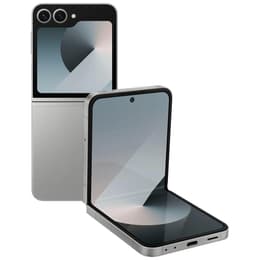
Galaxy Z Flip6 • Unlocked
Starting at

Refurbished price:$339.99

Versus $1,099.00 new

See options
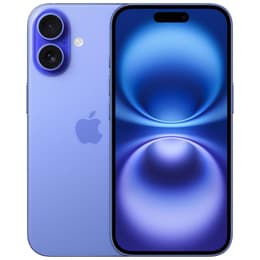
iPhone 16 • Unlocked
Starting at

Refurbished price:$516.00

Versus $729.00 new

See options

Ratings

The Samsung Galaxy Z Flip6, released in July 2024, and the Apple iPhone 16, launched in September 2024, represent distinct approaches to modern smartphone design and functionality. While the Galaxy Z Flip6 offers a unique foldable form factor with a dual-screen experience, the iPhone 16 maintains a traditional slab design, focusing on refined performance and an integrated ecosystem. These devices cater to different user preferences, primarily differing in their physical design, display technology, and operating system environments.

Scores

Durability

When considering the long-term usability of these devices, both the Galaxy Z Flip6 and the iPhone 16 offer substantial software support and robust build qualities, though with different considerations for their respective designs.

  • Software Longevity: The Galaxy Z Flip6 is projected to receive seven years of major operating system and security updates, providing an extended period of software relevance. The iPhone 16 typically receives 5-6 years of iOS updates, ensuring a long lifespan within Apple's ecosystem.
  • Physical Durability: The iPhone 16 features a Ceramic Shield front cover, which Apple states is significantly tougher than other smartphone glass, alongside an aluminum frame and IP68 dust and water resistance, allowing submersion up to 6 meters for 30 minutes. The Galaxy Z Flip6 incorporates an enhanced Armor Aluminum frame and Corning Gorilla Glass Victus 2 on its cover screen and back panel, offering IP48 water and dust resistance, protecting against dust particles up to 1mm and water submersion. The inner foldable screen of the Z Flip6, however, is more susceptible to scratches due to its plastic-based protective layer.
  • Practical Lifespan: Both devices are built to last, with the iPhone 16's traditional design potentially offering more consistent resilience against drops, while the Z Flip6's folding mechanism introduces a unique point of consideration for long-term mechanical integrity, despite improvements in hinge design and dust resistance.

Release Year

2024

2024

Last OS Compatibility

Yes

Yes

Foldable

Yes

No

Performance

Both the Galaxy Z Flip6 and the iPhone 16 are equipped with advanced internal components designed to deliver smooth and efficient performance for a wide range of tasks.

  • Processing Power: The Galaxy Z Flip6 utilizes a current-generation processor optimized for its Android environment, enabling seamless multitasking, rapid app loading, and efficient handling of demanding applications and games. The iPhone 16 is powered by Apple's A18 chip, which provides responsive performance across iOS applications, ensuring smooth navigation, quick processing of complex tasks, and efficient operation for gaming and creative work.
  • Memory and Storage: The Galaxy Z Flip6 comes with 12 GB of RAM, facilitating robust multitasking capabilities and efficient background app management. It offers storage options of 256 GB or 512 GB. The iPhone 16 includes 8 GB of RAM and is available with 128 GB, 256 GB, or 512 GB of internal storage, providing ample space for apps, media, and documents.
  • Battery Behavior: The Galaxy Z Flip6 features a 4000 mAh battery, which, combined with its efficient processor, allows many users to experience a full day of use, with some reports indicating 6 to 8 hours of screen-on time under typical usage. The iPhone 16, with its 3561 mAh battery, also demonstrates improved battery longevity over its predecessor, often lasting a full day for average users and performing well even during heavy usage scenarios like travel or extensive photography.

Memory (GB)

12 GB

8 GB

Screen quality

The display experience on the Galaxy Z Flip6 and the iPhone 16 differs significantly due to their fundamental design philosophies, offering distinct advantages for various user preferences.

  • Display Technology and Form Factor: The Galaxy Z Flip6 features a 6.7-inch foldable Dynamic AMOLED 2X main display, which can fold in half, and a 3.4-inch Super AMOLED cover display. The iPhone 16 sports a 6.1-inch Super Retina XDR OLED display in a traditional, non-folding slab design.
  • Resolution and Clarity: The Z Flip6's main screen offers a 1080x2640 pixel resolution, while its cover screen has a 720x748 pixel resolution. The iPhone 16 provides a 2556x1179 pixel resolution, resulting in a sharp 460 pixels per inch. Both displays deliver clear and detailed visuals for everyday viewing.
  • Brightness and Smoothness: The Galaxy Z Flip6's main display boasts a peak brightness of 2600 nits and a variable refresh rate of up to 120 Hz, contributing to fluid scrolling and vibrant outdoor visibility. Its cover screen reaches 1600 nits peak brightness. The iPhone 16's display offers a typical maximum brightness of 1000 nits, peaking at 1600 nits for HDR content and 2000 nits for outdoor use, but operates at a standard 60 Hz refresh rate.

Resolution

1080 x 2640

1179 x 2556

Screen type

Foldable Dynamic LTPO AMOLED 2X

Super Retina XDR OLED

Audiovisual

Both the Galaxy Z Flip6 and the iPhone 16 offer capable camera systems, each with strengths tailored to their respective designs and user experiences.

  • Rear Camera Systems: The Galaxy Z Flip6 is equipped with a dual-camera setup, featuring a 50 MP wide-angle main sensor with optical image stabilization and a 12 MP ultra-wide-angle lens. The iPhone 16 also has a dual-camera system, comprising a 48 MP wide main camera and a 12 MP ultrawide camera, arranged in a vertical layout.
  • Photography Performance: The Z Flip6's main camera captures detailed photos with good dynamic range in well-lit conditions, and its video stabilization is effective. However, some users note occasional inconsistencies in portrait mode, low-light noise, and autofocus. The iPhone 16 delivers strong image quality, particularly in good lighting, with improved low-light capabilities compared to previous models.
  • Unique Features and Video: The Galaxy Z Flip6's foldable design allows for unique selfie opportunities using the higher-quality rear cameras with the cover screen as a viewfinder. It records sharp 4K videos at up to 60fps. The iPhone 16 offers a new Camera Control button for quick access and improved audio recording features, and its video performance is noted for excellent stabilization, color, and dynamic range.

Main camera

50 megapixels

48 megapixels

Front camera

10 megapixels

12 megapixels

Miscellaneous

Beyond their core features, both smartphones incorporate various practical elements that enhance their overall user experience and connectivity.

  • Connectivity and Ports: The Galaxy Z Flip6 supports 5G connectivity and is expected to feature Wi-Fi 7, along with standard Bluetooth. It utilizes a USB-C port for charging and data transfer. The iPhone 16 also supports 5G and Wi-Fi 7, includes Bluetooth 5.3, NFC, and Ultra Wideband for enhanced spatial awareness. It features a USB-C port, though with USB 2.0 speeds.
  • Biometric Security: The Galaxy Z Flip6 typically integrates a side-mounted fingerprint sensor for secure unlocking. The iPhone 16 relies on Face ID, Apple's facial recognition system, housed within the Dynamic Island.
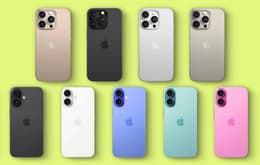
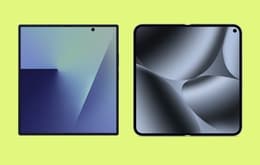
  • Design and Handling: The Galaxy Z Flip6's foldable design makes it compact when closed, fitting easily into smaller pockets, and features a matte finish with slightly more angular edges than its predecessor. The iPhone 16 maintains a traditional aluminum frame with a color-infused glass back, offering a familiar and comfortable in-hand feel. Both devices aim for a balance of aesthetics and practical handling.

Weight

7 oz

6000 oz

Screen size (inches)

6.7

6.1

Network

5G

5G

SIM card

Physical SIM + eSIM

eSIM

Carrier compatibility

Unlocked

Unlocked

Connector

USB-C

USB-C (USB 2)

Choosing between the Samsung Galaxy Z Flip6 and the iPhone 16 largely depends on individual priorities regarding form factor, operating system preference, and specific feature sets. Users frequently praise the Galaxy Z Flip6 for its innovative foldable design, which offers a compact footprint when closed and a versatile dual-screen experience. The improved battery life and enhanced main camera are also commonly highlighted as significant advancements. Some criticisms, however, point to the inherent fragility of the inner foldable screen and occasional inconsistencies in camera performance under challenging conditions.

The iPhone 16 is often lauded for its consistent performance, robust software ecosystem, and reliable camera system that excels in various photographic situations. Its enhanced durability with Ceramic Shield and IP68 rating, along with improved battery life, are frequently cited as strong points. Some users might note the 60 Hz display refresh rate as a point of comparison against devices offering smoother scrolling.

Users prioritizing a unique, compact, and customizable experience with the latest Android features and an extended software support timeline may find the Galaxy Z Flip6 well-suited to their needs. Its ability to stand on its own for hands-free viewing and unique selfie options also appeals to creative users. Conversely, individuals who prefer a traditional, highly durable smartphone with a consistent user experience, a strong emphasis on privacy, and a vast app ecosystem will likely lean towards the iPhone 16. Both devices are available as quality-assured refurbished options, providing an eco-friendly alternative for consumers seeking to make a sustainable choice.
See all articles

Our recent comparisons