
Compare models
Galaxy Z Flip7 • Unlocked vs iPhone 17 Pro Max • Unlocked
- 1-year warranty
- Free standard shipping
- Free 30-day returns
Differences at a glance
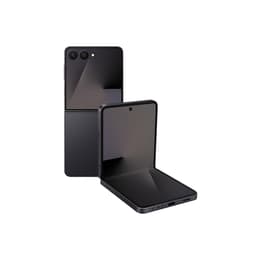
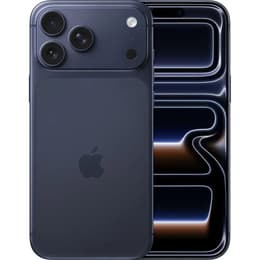
The Samsung Galaxy Z Flip7 (2025) and the Apple iPhone 17 Pro Max (2025) represent two entirely different approaches to modern smartphone design, contrasting a compact, pocket-friendly folding display with a traditional, large-format flagship structure. While the Galaxy Z Flip7 focuses on a versatile clamshell form factor running Android, the iPhone 17 Pro Max prioritizes maximum screen estate, high-end photography hardware, and iOS integration. Choosing between them depends largely on whether portability and a unique folding mechanism or raw multimedia power and battery endurance take precedence.
Available Models
Color
Storage (GB)
Scores
Durability
Both devices are modern flagships engineered with current hardware standards, though their physical designs and update timelines introduce distinct practical considerations for long-term usage.
- Software Longevity: The iPhone 17 Pro Max benefits from Apple's extended and consistent software update cycle, whereas the Galaxy Z Flip7 relies on Android's multi-year platform support framework.
- Physical Durability: The iPhone 17 Pro Max features a rigid unibody structure with reinforced front and back glass protection, while the Galaxy Z Flip7 utilizes a folding mechanism that requires careful handling over years of daily opening and closing.
- Repairability: Traditional bar-style phones generally offer simpler repair pathways compared to folding glass displays, which may require specialized maintenance over their lifespan.
Release Year
2025
2025
Last OS Compatibility
Yes
Yes
OS
Android
iOS
Foldable
Yes
No
Performance
Handling demanding daily tasks, heavy multitasking, and intensive gaming is smooth on both devices, though they manage internal resources and power efficiency differently.
- System Responsiveness: Both smartphones handle rapid app switching, heavy productivity software, and complex mobile games seamlessly without noticeable lag or stutter.
- Memory and Storage: Both models provide ample baseline storage configurations and high RAM capacity to keep multiple demanding processes active in the background simultaneously.
- Battery Behavior: The larger body of the iPhone 17 Pro Max accommodates a higher-capacity battery for extended heavy usage, while the Galaxy Z Flip7 requires slightly more frequent recharging due to its compact form factor and dual-screen setup.
Screen quality
Visual output differs fundamentally based on form factor, with each display type offering distinct advantages for daily viewing and media consumption.
- Display Technology: Both models use advanced organic light-emitting diode panels that deliver deep contrast levels, sharp details, and rich colors for everyday apps and video streaming.
- Outdoor Visibility: High peak brightness capabilities on both screens ensure that text and images remain legible even under direct sunlight.
- Viewing Experience: The iPhone 17 Pro Max provides an expansive, uninterrupted flat viewing surface, whereas the Galaxy Z Flip7 offers a tall folding screen that folds in half for compact storage alongside a functional outer cover display.
Resolution
1080 x 2520
2868x1320
Screen type
Foldable Dynamic LTPO AMOLED 2X
Super Retina XDR
Audiovisual
Capturing everyday moments, low-light scenes, and high-definition video is handled through distinct multi-lens configurations tailored to different creator needs.
- Camera Systems: The iPhone 17 Pro Max features a versatile triple-lens setup emphasizing high-resolution optical zoom capabilities, while the Galaxy Z Flip7 utilizes a dual rear camera system that pairs with its folding design for flexible, hands-free angles.
- Video Recording: Apple's device incorporates advanced professional video formats and audio capture tools, whereas Samsung focuses on intuitive stabilization and quick framing options suited for social sharing.
- Audio Output: Stereo speaker setups on both models deliver clear voice calls and balanced media playback, though larger unibody frames generally offer more acoustic resonance.
Miscellaneous
Practical daily usability elements, connectivity standards, and physical dimensions shape how each phone fits into daily routines and travel gear.
- Connectivity Standards: Both smartphones support modern 5G networks, fast Wi-Fi protocols, and reliable Bluetooth pairing for accessories.
- Physical Handling: The Galaxy Z Flip7 folds down into a compact square that slips easily into small pockets, whereas the iPhone 17 Pro Max is wider and heavier, designed for two-handed stability and maximum screen visibility.
- Biometric Security: The iPhone relies entirely on facial recognition, while the Galaxy Z Flip7 incorporates a side-mounted fingerprint sensor embedded within the power button.
Weight
3 oz
185 oz
Screen size (inches)
6.9
6.9
Network
5G
5G
SIM card
Physical SIM + eSIM
eSIM
Carrier compatibility
Unlocked
Unlocked
Connector
USB-C
USB-C
What the community thinks
User discussions across tech communities frequently highlight the Galaxy Z Flip7 for its innovative folding design, pocket convenience, and the practical utility of its outer cover screen for checking notifications quickly. At the same time, frequent criticisms sometimes target its shorter battery endurance relative to traditional slab phones and the inevitable crease along the folding panel. Conversely, the iPhone 17 Pro Max receives widespread praise for its exceptional battery longevity, robust build, and advanced video recording tools, though some users note its bulky footprint and heavy weight in hand.
Users prioritizing maximum portability, a compact footprint, and a unique folding mechanism will find the Galaxy Z Flip7 well-suited to their daily routine. Meanwhile, users prioritizing extensive battery life, expansive screen space, and advanced media production capabilities may lean toward the iPhone 17 Pro Max. For consumers seeking a sustainable choice, exploring a quality-assured refurbished option provides an eco-friendly alternative to purchasing brand-new hardware without compromising on performance standards.