Galaxy Z Fold4 • Unlocked vs Google Pixel 8a • Unlocked

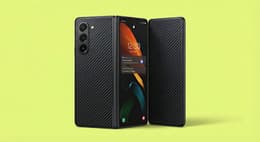
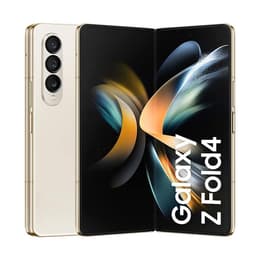
Galaxy Z Fold4 • Unlocked
Starting at

Refurbished price:$364.00

Versus $2,000.00 new

See options
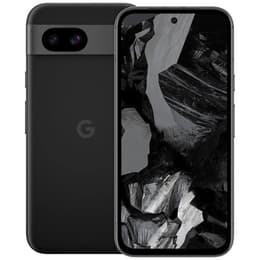
Google Pixel 8a • Unlocked
Starting at

Refurbished price:$229.00

Versus $899.99 new

See options

Ratings

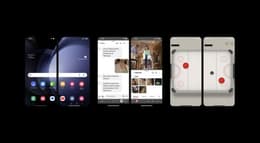
The Samsung Galaxy Z Fold4, released in August 2022, is a foldable smartphone, while the Google Pixel 8a, launched in May 2024, is a traditional slab smartphone. The primary distinction lies in their form factors, with the Z Fold4 offering a large, tablet-like display when unfolded and the Pixel 8a providing a compact, conventional experience. Both devices run on the Android operating system, catering to different user preferences regarding screen size and portability.

Scores

Durability

The Galaxy Z Fold4 (August 2022) and the Google Pixel 8a (May 2024) have different expected software support timelines. The Pixel 8a benefits from Google's commitment to extended OS updates, offering a longer period of software longevity.

  • Software Longevity: The Pixel 8a is designed to receive operating system updates for seven years from its release, providing a significantly longer period of current software features and security patches. The Z Fold4, being an older device, will have a shorter remaining update window, typically receiving four major Android OS updates and five years of security updates.
  • Physical Resilience: The Z Fold4 features an IPX8 water resistance rating and uses Gorilla Glass Victus+ on its cover screen and back panel. The Pixel 8a has an IP67 rating, offering protection against dust and water immersion.
  • Repairability: The foldable design of the Z Fold4 can present unique challenges for repairs, particularly concerning the inner display. The Pixel 8a, with its more conventional design, may offer a more straightforward repair process.

Release Year

2022

2024

Last OS Compatibility

Yes

Yes

OS

Android

Android

Foldable

Yes

No

Performance

The performance capabilities of the Galaxy Z Fold4 and the Google Pixel 8a reflect their respective release timelines and design philosophies. The Z Fold4 is engineered for demanding multitasking and high-performance applications, while the Pixel 8a focuses on efficient daily operation and AI-driven features.

  • Processing Power: The Z Fold4 handles intensive applications, complex multitasking, and graphic-heavy gaming with smooth responsiveness, benefiting from its high-end processor and ample RAM. The Pixel 8a provides a fluid experience for everyday tasks, web browsing, and most applications, with its processor optimized for Google's AI features.
  • Multitasking Efficiency: The Z Fold4's larger RAM capacity allows for seamless switching between numerous open applications and efficient use of its multi-window features. The Pixel 8a's RAM is sufficient for typical smartphone multitasking, ensuring a responsive user experience.
  • Battery Behavior: Both devices feature similar battery capacities. The Z Fold4's larger, dual-screen setup can lead to varied battery consumption depending on usage patterns. The Pixel 8a, with its single, smaller display, generally offers consistent battery life for a full day of moderate use.

Memory (GB)

12 GB

8 GB

Screen quality

The display experience is a major differentiator, with the Galaxy Z Fold4 offering a unique foldable screen and the Google Pixel 8a providing a high-quality traditional display.

  • Display Technology and Size: The Z Fold4 features two Dynamic AMOLED 2X displays: a 7.6-inch main foldable screen and a 6.2-inch cover screen, allowing for a tablet-like viewing experience when unfolded. The Pixel 8a has a single 6.1-inch Actua OLED display, providing a vibrant and compact viewing area.
  • Clarity and Smoothness: Both devices offer high resolutions suitable for sharp text and detailed images. The Z Fold4's main display has a resolution of 2176 x 1812 pixels, while its cover screen is 2316 x 904 pixels. The Pixel 8a features a 2400 x 1080 pixel resolution. Both displays support a 120Hz adaptive refresh rate, contributing to smooth scrolling and fluid animations.
  • Brightness and Outdoor Visibility: Both phones offer displays with good brightness levels, making them suitable for use in various lighting conditions, including outdoors. The Pixel 8a's Actua display is designed for enhanced visibility in bright environments.

Resolution

1812 x 2176

1080 x 2400

Screen type

Foldable Dynamic AMOLED 2X

OLED

Audiovisual

The camera systems and audio capabilities of the Galaxy Z Fold4 and the Google Pixel 8a cater to different user expectations, with both offering strong performance.

  • Photography Capabilities: The Z Fold4 features a versatile triple-camera setup with a 50MP main sensor, a 12MP ultrawide, and a 10MP telephoto lens with 3x optical zoom, providing flexibility for various shooting scenarios. The Pixel 8a excels in computational photography with its 64MP main sensor and 13MP ultrawide lens, known for producing consistent, high-quality images with excellent detail and color accuracy, particularly in everyday and low-light conditions.
  • Video Recording: Both devices are capable of recording high-resolution video with optical image stabilization, ensuring steady footage. The Z Fold4 offers a broader range of zoom options during video capture. The Pixel 8a leverages its processing power for advanced video features and stabilization.
  • Audio Experience: Both smartphones provide stereo speakers for an immersive audio experience during media consumption. The Z Fold4's larger unfolded screen enhances the visual aspect of media. Both devices offer clear microphone quality for calls and voice recordings.

Main camera

50 megapixels

64 megapixels

Front camera

4 megapixels

13 megapixels

Miscellaneous

Beyond core performance and display, several practical elements differentiate the Galaxy Z Fold4 and the Google Pixel 8a, influencing daily usability.

  • Connectivity and Ports: Both devices support 5G connectivity and Wi-Fi 6E for fast wireless internet. They both utilize a USB-C port for charging and data transfer. The Z Fold4 features Bluetooth 5.2, while the Pixel 8a includes Bluetooth 5.3.
  • Biometric Security: The Z Fold4 incorporates a side-mounted fingerprint sensor for secure unlocking. The Pixel 8a offers both an under-display fingerprint sensor and Face Unlock for convenient and secure access.
  • Form Factor and Handling: The Z Fold4 is a heavier device at 263g, and its foldable nature means it is thicker when closed but offers a much larger screen when unfolded. The Pixel 8a is a lighter and more compact device at 188g, designed for comfortable one-handed use and easy pocketability. The Z Fold4 also supports S Pen input (sold separately).

Weight

7 oz

7 oz

Screen size (inches)

7.6

6.1

Network

5G

5G

SIM card

Physical SIM + eSIM

Physical SIM + eSIM

Carrier compatibility

Unlocked

Unlocked

Users frequently praise the Galaxy Z Fold4 for its innovative foldable design, offering a unique blend of smartphone portability and tablet-like productivity. Its large inner display is often highlighted as ideal for multitasking, media consumption, and creative work. Some common criticisms include its weight and the visible crease on the main display, as well as concerns about the long-term durability of the folding mechanism. The Pixel 8a, on the other hand, is widely lauded for its exceptional camera performance, delivering consistent and high-quality photos across various conditions, often attributed to Google's advanced computational photography. Its extended software support and clean Android experience are also frequently praised. Occasional user feedback points to its design being less premium than higher-end models and its battery life, while generally good, not being class-leading.

Users prioritizing a large, adaptable screen for productivity, media, and a unique form factor may find the Galaxy Z Fold4 well-suited to their needs, especially if they value the ability to run multiple apps simultaneously on a single display. Those who prioritize a compact, traditional smartphone experience with a focus on outstanding photography, long-term software support, and a streamlined Android interface will likely lean toward the Google Pixel 8a. Both devices offer distinct advantages, and considering a quality-assured refurbished option for either can be a sustainable choice for consumers.
See all articles

Our recent comparisons