
Galaxy Z Fold6 • Unlocked vs iPhone 15 Plus • Unlocked

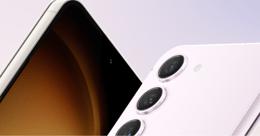
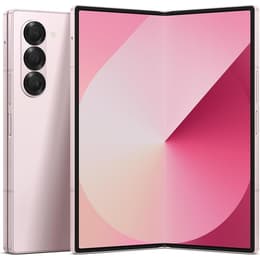
Galaxy Z Fold6 • Unlocked
Starting at

Refurbished price:$549.99

Versus $1,499.00 new

See options
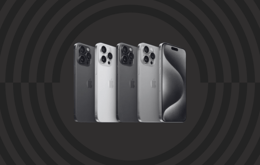
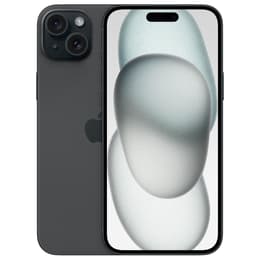
iPhone 15 Plus • Unlocked
Starting at

Refurbished price:$389.99

Versus $829.00 new

See options

Ratings

The Samsung Galaxy Z Fold6, released in July 2024, and the Apple iPhone 15 Plus, launched in September 2023, represent distinct approaches to modern smartphone design and functionality. While the Galaxy Z Fold6 offers a unique foldable form factor that transforms from a compact device into a large tablet-like display, the iPhone 15 Plus maintains a traditional, expansive slab design. These fundamental differences in construction lead to varied user experiences, particularly concerning screen utility, portability, and overall interaction with the device.

Scores

Durability

When considering the practical lifespan of these devices, both offer robust software support and durable designs, though their approaches differ.

  • Software Longevity: The Samsung Galaxy Z Fold6 launched with Android 14 and is expected to receive up to seven years of major Android updates, extending its software relevance well into the future. The iPhone 15 Plus, released with iOS 17, typically receives 5-6 years of iOS updates, ensuring a long period of access to the latest features and security patches.
  • Physical Durability: The iPhone 15 Plus features a Ceramic Shield front and a color-infused glass back, along with an aluminum frame, offering substantial resistance to drops and scratches. It also boasts an IP68 rating for dust and water resistance, allowing submersion up to 6 meters for 30 minutes. The Galaxy Z Fold6 incorporates an enhanced Armor Aluminum frame and an improved, more durable design for its foldable structure, carrying an IP48 rating for solid object ingress protection.
  • Expected Practical Lifespan: Both devices are built to last, with their respective manufacturers providing extended software support. The choice between them in terms of longevity may come down to preference for a traditional, highly water-resistant design or a more innovative, though inherently more complex, foldable form factor.

Release Year

2024

2023

Last OS Compatibility

Yes

Yes

OS

Android

iOS

Foldable

Yes

No

Performance

Performance is a critical aspect for any modern smartphone, and both the Galaxy Z Fold6 and iPhone 15 Plus deliver responsive experiences, albeit with different underlying architectures.

  • Processing Power: The Galaxy Z Fold6 is equipped with a current-generation processor optimized for Galaxy devices, enabling smooth operation for demanding applications, multitasking across its large display, and handling intensive gaming sessions. The iPhone 15 Plus utilizes a powerful chip that was previously featured in Apple's Pro models, providing efficient performance for everyday tasks, complex computations, and graphics-intensive games.
  • Multitasking and Responsiveness: The Galaxy Z Fold6 benefits from a larger amount of RAM, which contributes to seamless multitasking, especially when utilizing its expansive inner screen for multiple applications simultaneously. The iPhone 15 Plus, while having less RAM, is optimized by its operating system to manage applications efficiently, ensuring a fluid user experience and quick app loading times.
  • Battery Behavior: The iPhone 15 Plus is recognized for its exceptional battery endurance, often providing up to two days of use for some users and consistently ranking among devices with the longest battery life. The Galaxy Z Fold6, with its 4,400 mAh battery, offers decent battery life for a foldable device, typically lasting a full day of mixed usage, though it may require more frequent charging than some traditional slab phones under heavy use.

Memory (GB)

12 GB

6 GB

Screen quality

The display experience is a primary differentiator between these two devices, with one offering a flexible, expansive canvas and the other a large, traditional panel.

  • Display Technology and Size: The Galaxy Z Fold6 features two Dynamic AMOLED 2X displays: a 6.3-inch cover screen and a 7.6-inch main foldable screen. Both offer vibrant colors, deep blacks, and an adaptive refresh rate of up to 120Hz for smooth scrolling and responsiveness. The iPhone 15 Plus sports a single 6.7-inch Super Retina XDR OLED display, known for its excellent color accuracy and contrast, with a standard 60Hz refresh rate.
  • Brightness and Clarity: Both devices offer high peak brightness levels, making them suitable for outdoor visibility. The Galaxy Z Fold6's displays can reach up to 2,600 nits peak brightness, while the iPhone 15 Plus can achieve up to 2,000 nits peak outdoor brightness. Both provide sharp resolutions, with the iPhone 15 Plus at 2796x1290 pixels (460 ppi) and the Z Fold6's main screen at 2160x1856 pixels.
  • Viewing Experience: The Galaxy Z Fold6's large internal screen provides an immersive experience for media consumption, reading, and productivity, effectively functioning as a small tablet. The iPhone 15 Plus offers a spacious and bright display ideal for general smartphone use, media, and gaming, complemented by the Dynamic Island for interactive alerts.

Resolution

1856 x 2160

1290 x 2796

Screen type

Foldable Dynamic LTPO AMOLED 2X

Super Retina XDR OLED

Audiovisual

Both smartphones offer capable camera systems designed to capture high-quality photos and videos, though their configurations and strengths vary.

  • Rear Camera Systems: The Galaxy Z Fold6 features a versatile triple-lens rear camera setup, including a 50 MP wide-angle main sensor, a 12 MP ultra-wide lens, and a 10 MP telephoto lens with 3x optical zoom. The iPhone 15 Plus comes with an advanced dual-camera system, comprising a 48 MP main sensor that also enables a 2x telephoto option through its quad-pixel sensor, and a 12 MP ultra-wide lens.
  • Photography Performance: The Galaxy Z Fold6's camera system is considered strong for a foldable, excelling in various lighting conditions and offering creative flexibility with its unique form factor. The iPhone 15 Plus leverages computational photography to deliver detailed and well-exposed images, with strong performance in everyday scenarios and improved portrait capabilities.
  • Video and Front Cameras: Both devices are capable of recording high-quality video, with the iPhone 15 Plus offering features like Cinematic mode and Dolby Vision HDR video recording. For selfies and video calls, the Galaxy Z Fold6 has a 10 MP camera on its cover screen and a 4 MP under-display camera on the main screen, while the iPhone 15 Plus features a 12 MP TrueDepth front camera.

Main camera

50 megapixels

48 megapixels

Front camera

4 megapixels

12 megapixels

Miscellaneous

Beyond core features, several practical elements contribute to the overall user experience and differentiate these two devices.

  • Connectivity and Ports: Both the Galaxy Z Fold6 and iPhone 15 Plus support 5G connectivity and Wi-Fi 6 for fast wireless speeds. A notable change for the iPhone 15 Plus is the adoption of a USB-C port, aligning it with the Galaxy Z Fold6 and other modern electronic devices.
  • Biometric Security: The iPhone 15 Plus relies on Face ID for secure facial recognition. The Galaxy Z Fold6 typically incorporates a side-mounted fingerprint sensor for biometric authentication.
  • Design and Handling: The Galaxy Z Fold6, weighing 239 grams, offers a unique experience with its ability to fold, making it more compact when closed and providing a larger screen when unfolded. The iPhone 15 Plus, at 201 grams, is a lighter, traditional smartphone with a sleek aluminum frame and a comfortable contoured edge. The Z Fold6 also supports S Pen input, though the stylus is sold separately.

Weight

8 oz

201 oz

Screen size (inches)

7.6

6.7

Network

5G

5G

SIM card

Physical SIM + eSIM

eSIM

Carrier compatibility

Unlocked

Unlocked

The Samsung Galaxy Z Fold6 and iPhone 15 Plus cater to different user preferences, each excelling in its own domain. User sentiment for the Galaxy Z Fold6 often highlights its innovative foldable display as a significant advantage for productivity and media consumption, transforming the device into a versatile tool. Some users appreciate the larger screen real estate for multitasking and the ability to have a compact phone when folded. Criticisms sometimes revolve around its bulk when folded and the inherent durability considerations of a folding screen compared to traditional smartphones. The camera system, while good for a foldable, is sometimes noted as not reaching the absolute peak performance of top-tier traditional flagships.

The iPhone 15 Plus is frequently praised for its exceptional battery life, often cited as one of the best in its class, providing extended usage without frequent recharging. Users also value its consistent performance, high-quality camera for everyday photography, and the intuitive iOS ecosystem. Some common feedback points include the 60Hz refresh rate, which some users might find less fluid compared to higher refresh rate displays on other devices. Its traditional slab design is seen as a strength for those who prefer a straightforward, robust smartphone experience.

Users prioritizing a large, adaptable screen for productivity, media, and a unique form factor may find the Galaxy Z Fold6 well-suited to their needs. Conversely, individuals who value class-leading battery life, a consistently high-performing camera in a traditional design, and the Apple ecosystem will likely lean towards the iPhone 15 Plus. Both devices offer a premium experience, and for those looking for an eco-friendly alternative, quality-assured refurbished options for both models are available, providing a sustainable choice without compromising on functionality.


See all articles

Our recent comparisons