
Compare models
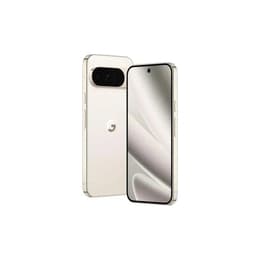
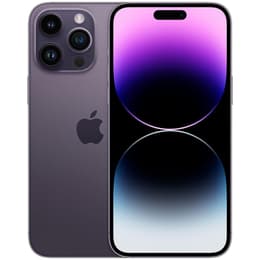
Google Pixel 10 Pro XL • Unlocked vs iPhone 14 Pro Max • Unlocked
- 1-year warranty
- Free standard shipping
- Free 30-day returns
Differences at a glance
The Google Pixel 10 Pro XL (2025) and the iPhone 14 Pro Max (2022) are large-format flagship smartphones offering expansive screens, powerful camera arrays, and premium materials. While the Pixel 10 Pro XL runs on Android and emphasizes newer software capabilities, the iPhone 14 Pro Max operates on iOS and focuses on established ecosystem reliability. These two models cater to users seeking large displays and high performance, differing primarily in their software environments and generation timelines.
Available Models
Color
Storage (GB)
Scores
Durability
When evaluating longevity, the release year and software support windows play major roles in determining how long each device remains current.
- Release timeline and software support: The Google Pixel 10 Pro XL launched later and benefits from an extended multi-year update window, whereas the iPhone 14 Pro Max has a longer history on the market but maintains regular system updates from Apple.
- Repairability and build durability: Both devices feature robust glass-and-metal construction with high water-resistance ratings, though component availability and structured repair programs vary between the Android and iOS ecosystems.
- Expected practical lifespan: Users can expect many years of daily usability from both models, with the Pixel model offering an extended software schedule due to its later release date.
Release Year
2025
2022
OS
Android
iOS
Foldable
No
No
Performance
Underneath the exterior, both devices manage demanding tasks and daily workflows through different hardware configurations and memory management strategies.
- Processor capabilities and multitasking: Both smartphones handle intensive applications, web browsing, and heavy multitasking smoothly without noticeable lag.
- Storage and memory allocation: The Pixel 10 Pro XL features higher baseline memory capacity for background tasks, while the iPhone 14 Pro Max utilizes tightly integrated memory optimization within iOS.
- Battery behavior: Both models are equipped to last through a full day of standard use, though specific battery depletion rates vary depending on screen brightness and background activity.
Screen quality
Display characteristics define the media consumption and daily viewing experience on both of these large-screen devices.
- Display technology and clarity: Both models utilize advanced OLED panel technology with high resolutions, providing deep contrast levels, sharp text rendering, and vivid color reproduction.
- Brightness and outdoor visibility: High peak brightness capabilities on both screens ensure that content remains legible under direct sunlight or bright outdoor lighting conditions.
- Refresh rate and smoothness: Adaptive refresh rates scaling up to a high smoothness ceiling allow for fluid scrolling through web pages and responsive touch interactions.
Resolution
1344 x 2992
1290 x 2796
Screen type
LTPO OLED
LTPO Super Retina XDR OLED
Audiovisual
Imaging hardware and built-in processing tools shape the photographic and video capabilities available on each smartphone.
- Camera system versatility: Both devices feature multi-lens rear configurations including main, ultra-wide, and telephoto sensors designed for various framing distances.
- Low-light and everyday photography: Computational processing on both models balances shadows and highlights effectively in challenging lighting environments.
- Video recording and audio: High-definition video stabilization and clear multi-microphone audio capture support reliable media creation and calling functions.
Miscellaneous
Practical everyday features, physical dimensions, and connectivity options influence how each device integrates into daily routines.
- Connectivity and ports: Both smartphones support modern 5G networks and fast Wi-Fi standards, utilizing distinct physical connector ports for charging and data transfer.
- Security and authentication: Biometric security is handled via secure facial recognition or fingerprint scanning depending on the specific model architecture.
- Physical dimensions and handling: Both devices feature large footprints and substantial weights that prioritize screen estate, requiring two-handed use for extended comfort. Choosing a quality-assured refurbished option provides a sustainable choice for acquiring either device.
Weight
8 oz
8 oz
Screen size (inches)
6.8
6.7
Network
5G
5G
SIM card
eSIM
eSIM
Carrier compatibility
Unlocked
Unlocked
Connector
USB-C
Lightning
What the community thinks
User feedback for the Google Pixel 10 Pro XL frequently highlights its fluid interface, deep integration of smart software features, and vibrant display quality, though some users note that its large camera housing adds noticeable bulk. Conversely, the iPhone 14 Pro Max receives consistent praise for its solid build quality, reliable video recording tools, and smooth ecosystem integration, while users occasionally mention its heavier weight during prolonged single-handed use.
Users prioritizing deep customization, extensive AI-driven assistance, and an extended software update timeline may prefer the Google Pixel 10 Pro XL. Meanwhile, users invested in Apple's hardware ecosystem who value consistent video performance and structured iOS workflows will lean toward the iPhone 14 Pro Max. Both smartphones serve as capable daily drivers depending on individual operating system preferences.