
Google Pixel 6a • Unlocked vs iPhone 13 • Unlocked

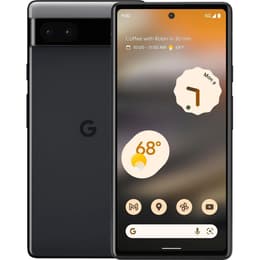
Google Pixel 6a • Unlocked
Starting at

Refurbished price:$141.00

Versus $399.00 new

See options
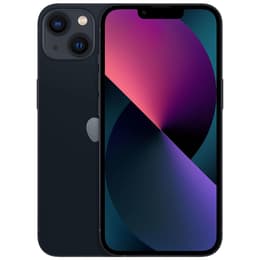
iPhone 13 • Unlocked
Starting at

Refurbished price:$226.00

Versus $629.00 new

See options

Ratings

The Google Pixel 6A, released in July 2022, and the iPhone 13, launched in September 2021, represent distinct approaches to smartphone design and functionality from two major technology companies. While both devices offer capable performance and camera systems, they cater to different user preferences through their respective operating systems and hardware philosophies. The Pixel 6A operates on Android, emphasizing Google's software intelligence and a streamlined user experience, whereas the iPhone 13 runs on iOS, known for its integrated ecosystem and consistent performance.

Scores

Durability

When considering the long-term usability of a smartphone, software support and physical durability are key factors. The Pixel 6A and iPhone 13 offer different timelines for software updates and varying degrees of repairability.

  • Software Longevity: The Google Pixel 6A is expected to receive Android OS updates until at least July 2025 and security updates until at least July 2027. Some reports suggest its OS update support might extend to five years, aligning with its security updates. The iPhone 13, typically, receives major iOS updates for approximately 5-7 years from its release, with security patches often extending beyond that period. Users can generally expect the iPhone 13 to receive updates until around 2026-2028.
  • Physical Durability: The iPhone 13 features a Ceramic Shield front cover, contributing to its drop resistance, and boasts an IP68 rating for water and dust resistance, allowing submersion up to 6 meters for 30 minutes. The Pixel 6A comes with Corning Gorilla Glass 3 on its display and has an IP67 rating, meaning it can withstand submersion up to 1 meter for 30 minutes.
  • Repairability: The Google Pixel 6A generally scores higher in repairability assessments, with a rating of around 6.5 out of 10. Its design allows for relatively easier disassembly and battery replacement, though the charging port is soldered to the main board. The iPhone 13 typically receives a repairability score of 5 or 5.5 out of 10, with challenges noted in component pairing and the need for specialized tools, which can complicate repairs.

Release Year

2022

2021

Last OS Compatibility

Yes

Yes

OS

Android

iOS

Foldable

No

No

Performance

Both the Google Pixel 6A and the iPhone 13 are equipped with powerful internal components designed to handle daily tasks and demanding applications efficiently, though they approach performance from different architectural standpoints.

  • Processing Power: The Pixel 6A is powered by Google's custom-designed processor, which enables smooth multitasking, responsive app launches, and efficient handling of AI-driven features like advanced photography and voice recognition. The iPhone 13 utilizes Apple's proprietary processor, known for its strong performance in gaming, video editing, and overall system fluidity, ensuring a highly responsive user experience across iOS applications.
  • Storage and Multitasking: The Pixel 6A offers 6GB of RAM and comes with 128GB of internal storage, which is non-expandable. The iPhone 13 features 4GB of RAM and provides more storage options, including 128GB, 256GB, and 512GB variants, also without expandable storage. For users who frequently switch between many applications or require ample space for media and apps, these specifications are important considerations.
  • Battery Behavior: The Pixel 6A houses a 4410 mAh battery, designed to provide a full day of use for most users, with an extreme battery saver mode extending usage significantly. The iPhone 13 is equipped with a 3240 mAh battery, which, combined with its efficient hardware and software optimization, also delivers extended battery life, often lasting through a full day of mixed usage.

Memory (GB)

6 GB

4 GB

Screen quality

The visual experience on a smartphone is largely defined by its display, and both the Pixel 6A and iPhone 13 offer vibrant screens, albeit with some key differences in technology and capabilities.

  • Display Technology and Clarity: The Google Pixel 6A features a 6.1-inch OLED display with a resolution of 2400 x 1080 pixels, resulting in sharp and clear visuals for everyday content consumption. The iPhone 13 sports a 6.1-inch Super Retina XDR OLED display with a resolution of 2532 x 1170 pixels, offering slightly higher pixel density and Apple's renowned color accuracy and deep blacks.
  • Brightness and Outdoor Visibility: The Pixel 6A's display provides good brightness for indoor and typical outdoor use. The iPhone 13's Super Retina XDR display offers a higher typical maximum brightness of 800 nits, peaking at 1200 nits for HDR content, which enhances visibility in bright sunlight and improves the dynamic range of supported media.
  • Refresh Rate: Both devices feature a standard 60Hz refresh rate. This means the screen updates 60 times per second, providing a smooth experience for general navigation and video playback. Neither device offers the higher refresh rates found in some other smartphones, which can provide an even smoother scrolling and gaming experience.

Resolution

1080 x 2400

1170 x 2532

Screen type

OLED

Super Retina XDR OLED

Audiovisual

Photography and videography capabilities are central to modern smartphones, and both the Google Pixel 6A and iPhone 13 excel in capturing moments, each with their unique strengths in image processing and hardware.

  • Rear Camera System: The Google Pixel 6A features a dual-camera setup on the rear, consisting of a 12.2 MP wide-angle lens with optical image stabilization (OIS) and a 12 MP ultrawide lens. It leverages Google's computational photography for features like Night Sight, Magic Eraser, and Real Tone. The iPhone 13 also has a dual 12 MP rear camera system, with a wide lens featuring sensor-shift OIS and an ultrawide lens. Its camera system is praised for its consistent image quality, color accuracy, and improved low-light performance.
  • Front Camera and Video Recording: For selfies and video calls, the Pixel 6A includes an 8 MP front camera. The iPhone 13 is equipped with a 12 MP front camera. Both phones are capable of recording 4K video at 30 or 60 frames per second. The iPhone 13 introduces Cinematic Mode, which adds a shallow depth of field effect to videos, allowing for focus transitions similar to professional filmmaking.
  • Audio Experience: Both devices offer stereo speakers for an immersive audio experience during media consumption. The microphone quality on both is generally clear for calls and recordings. Neither phone includes a traditional 3.5mm headphone jack, relying on USB-C (Pixel 6A) or Lightning (iPhone 13) ports for wired audio or wireless solutions.

Main camera

12.2 megapixels

12 megapixels

Front camera

8 megapixels

12 megapixels

Miscellaneous

Beyond core performance and display, several practical elements contribute to the overall user experience, including connectivity, physical design, and authentication methods.

  • Connectivity and Ports: The Google Pixel 6A supports 5G networks, including both mmWave and Sub-6GHz bands, and features Wi-Fi 6E and Bluetooth 5.2. It uses a USB-C port for charging and data transfer. The iPhone 13 also supports 5G connectivity and includes Wi-Fi 6 and Bluetooth 5.0. It utilizes Apple's proprietary Lightning port. Neither device includes a 3.5mm headphone jack.
  • Biometrics and Sensors: The Pixel 6A incorporates an in-display fingerprint sensor for secure unlocking and authentication. The iPhone 13 relies on Face ID, Apple's facial recognition system, for biometric security. Both devices include a standard suite of sensors such as accelerometers, gyroscopes, and compasses.
  • Design and Handling: The Pixel 6A has dimensions of 152.2 x 71.8 x 8.9 mm and weighs 178 grams, featuring a plastic back and a metal frame. The iPhone 13 measures 146.7 x 71.5 x 7.65 mm and weighs 174 grams, with an aluminum frame and a glass back. Both devices offer a comfortable in-hand feel, though the iPhone 13 is slightly thinner and lighter.

Weight

6 oz

6 oz

Screen size (inches)

6.1

6.1

Network

5G

5G

SIM card

Physical SIM + eSIM

Physical SIM + eSIM

Carrier compatibility

Unlocked

Unlocked

Choosing between the Google Pixel 6A and the iPhone 13 involves weighing priorities between operating system preference, camera capabilities, and long-term support. Users often praise the Pixel 6A for its exceptional camera performance, particularly its computational photography features that enhance everyday photos, and its clean Android experience. Criticisms sometimes point to its 60Hz display and the absence of a headphone jack. The iPhone 13 is frequently lauded for its robust performance, consistent camera quality, and the seamless integration within the Apple ecosystem. Some users note its continued use of the Lightning port and the 60Hz refresh rate as areas for potential improvement.

Users who prioritize an intuitive Android experience, advanced AI-driven camera features, and a slightly more repairable design may find the Google Pixel 6A well-suited to their needs. Conversely, individuals deeply integrated into the Apple ecosystem, those who value strong overall performance, and a slightly more premium build with Face ID authentication, might lean towards the iPhone 13. Both devices offer reliable performance for daily use and represent solid choices in the smartphone market. For those seeking an eco-friendly alternative, considering a quality-assured refurbished option for either model can provide a sustainable choice without compromising on functionality.

See all articles

Our recent comparisons