Compare models
Google Pixel 7 Pro • Unlocked vs Motorola Moto G Stylus 5G (2024) • Unlocked
- 1-year warranty
- Free standard shipping
- Free 30-day returns
Differences at a glance
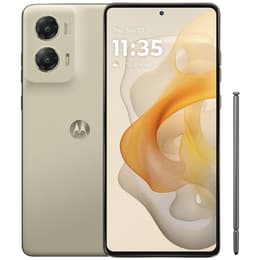
The Google Pixel 7 Pro (2022) and the Motorola Moto G Stylus 5G (2024) are 6.7-inch smartphones that cater to different user priorities through distinct hardware designs and software approaches. While the Google Pixel 7 Pro focuses on photography and high-end system responsiveness, the Motorola Moto G Stylus 5G emphasizes productivity with an integrated stylus and expandable storage. Both devices run the Android operating system, though they offer different interface experiences and support timelines.
Available Models
Color
Storage
Scores
Durability
When examining longevity and hardware maintenance, both devices provide solid everyday durability backed by different software update schedules and physical construction standards.
- Release timeline and support: The Google Pixel 7 Pro debuted in late 2022, while the Motorola Moto G Stylus 5G arrived in mid-2024. The Pixel model benefits from a comprehensive multi-year security update commitment, whereas the Motorola device features a more concise software lifecycle.
- Build and repairability: The Pixel 7 Pro utilizes aluminum and Gorilla Glass Victus with an IP68 water resistance rating. The Motorola alternative features a water-repellent design paired with a vegan leather or polymer back panel and an included physical stylus slot. Both units are built to sustain standard daily handling over several years.
Release Year
2022
2024
Last OS Compatibility
Yes
Yes
OS
Android
Android
Foldable
No
No
Performance
Underneath the surface, these phones handle everyday tasks, app loading, and multitasking differently based on their internal memory capacities and system optimization.
- Multitasking and storage: The Google Pixel 7 Pro equips ample memory configurations (12GB RAM) to keep multiple demanding applications active simultaneously, offering fixed storage tiers up to 512GB. The Motorola Moto G Stylus 5G typically provides 8GB of RAM alongside a dedicated microSD card slot for expanding storage up to 2TB.
- Battery behavior: Both devices house a 5000 mAh battery capacity. The Motorola model delivers strong battery endurance during mixed daily use, while the Pixel 7 Pro manages power efficiently through adaptive software routines despite powering a higher-resolution display.
Screen quality
Display performance shapes daily media consumption, reading, and outdoor visibility across both smartphone options.
- Panel technology and resolution: The Google Pixel 7 Pro features an LTPO OLED display with QHD+ resolution (3120 x 1440 pixels) and a high pixel density. The Motorola Moto G Stylus 5G utilizes a pOLED panel at Full HD+ resolution (2400 x 1080 pixels), delivering sharp text and rich colors for videos.
- Refresh rate and brightness: Both smartphones support an adaptive 120Hz refresh rate for smooth scrolling through web pages and menus. Each display reaches high peak brightness levels, ensuring legible outdoor viewing under direct sunlight.
Resolution
1440 x 3120
1080 x 2400
Screen type
LTPO AMOLED
P-OLED
Audiovisual
Optics and media recording capabilities highlight a clear philosophical divide between the two handsets.
- Camera configurations: The Google Pixel 7 Pro includes a versatile triple-camera array featuring a dedicated telephoto lens for optical zoom, alongside advanced computational photography software. The Motorola Moto G Stylus 5G relies on a dual-camera setup centered around a standard main sensor with optical image stabilization and an ultra-wide lens that doubles for macro photography.
- Audio and video output: The Pixel line excels at detailed low-light photography and stable video recording. Meanwhile, the Motorola device offers stereo speakers with Dolby Atmos enhancement alongside a physical 3.5mm headphone jack, appealing to users who prefer wired audio accessories.
Main camera
50 megapixels
50 megapixels
Front camera
10.8 megapixels
32 megapixels
Miscellaneous
Practical physical traits, connectivity standards, and daily ergonomics vary between the two models.
- Physical dimensions and handling: The Google Pixel 7 Pro measures 162.9 x 76.6 x 8.9 mm and weighs 212 grams, presenting a heavier, premium glass-and-metal feel. The Motorola Moto G Stylus 5G measures 162.6 x 74.8 x 8.3 mm and weighs 190 grams, offering a slightly narrower grip and a textured back panel.
- Connectivity and authentication: Both models support 5G connectivity, Wi-Fi networking, and NFC for contactless payments. For security, the Pixel utilizes an optical under-display fingerprint scanner and face recognition, while Motorola features a responsive optical fingerprint reader built into the screen. Choosing a quality-assured refurbished option provides an eco-friendly alternative for acquiring either device.
Weight
7 oz
7 oz
Screen size (inches)
6.7
6.7
Network
5G
5G
SIM card
Physical SIM + eSIM
Physical SIM
Carrier compatibility
Unlocked
Unlocked
What the community thinks
User feedback highlights distinct advantages for each smartphone depending on individual preferences. Owners of the Google Pixel 7 Pro frequently praise its advanced camera versatility, sharp high-resolution display, and smooth system performance. Some users note, however, that the device can feel heavy during extended one-handed use. On the other hand, users of the Motorola Moto G Stylus 5G appreciate the practical utility of the built-in stylus for note-taking, reliable battery longevity, and the inclusion of expandable storage and a headphone jack. Common criticisms for the Motorola model focus on its more modest secondary camera performance and limited software upgrade schedule.
Users prioritizing high-resolution photography, long-term software support, and robust multitasking capabilities may prefer the Google Pixel 7 Pro. Conversely, users prioritizing productivity tools like a stylus, expandable storage capacity, and traditional audio ports will find the Motorola Moto G Stylus 5G well-suited to their needs. Opting for a quality-assured refurbished model serves as an eco-friendly way to access either device while supporting sustainable consumption habits. Ultimately, the right choice depends on whether creative input tools or imaging performance rank higher on your list of priorities.