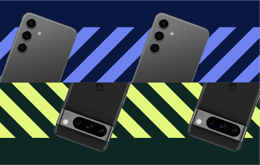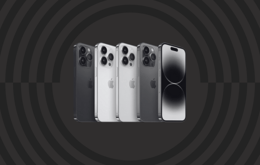

Google Pixel 7 • Unlocked vs iPhone 14 • Locked T-Mobile

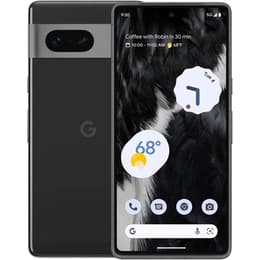
Google Pixel 7 • Unlocked
Starting at

Refurbished price:$185.99

Versus $599.99 new

See options
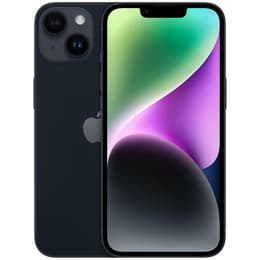
iPhone 14 • Locked T-Mobile
Starting at

Refurbished price:$269.00

Versus $599.00 new

See options

Ratings

The Google Pixel 7 and the iPhone 14 are both prominent smartphones released in late 2022, offering distinct experiences within their respective operating systems. The Pixel 7, launched in October 2022, operates on the Android platform, emphasizing advanced computational photography and AI-driven functionalities. The iPhone 14, released in September 2022, runs on iOS, focusing on a streamlined user experience and deep ecosystem integration. Both devices aim to provide a capable smartphone experience for everyday users, but they cater to different preferences in terms of software philosophy and feature prioritization.

Scores

Durability

When considering the long-term viability of these devices, factors such as software support, physical resilience, and ease of maintenance are important.

  • Software Longevity: The Google Pixel 7 is guaranteed to receive operating system updates until at least October 2027 and security updates until October 2027, providing five years of support from its release. The iPhone 14 typically receives iOS updates for approximately 5-7 years from its September 2022 launch, suggesting support until at least 2027 or 2028. This means the iPhone 14 may offer a slightly longer period of major OS upgrades.
  • Physical Durability: Both devices incorporate robust materials for protection. The Pixel 7 features Corning Gorilla Glass Victus for its display, while the iPhone 14 utilizes a Ceramic Shield front cover, both designed to enhance screen resilience. Both phones also carry an IP68 rating for dust and water resistance, indicating similar levels of protection against environmental elements.
  • Repairability Considerations: The iPhone 14 initially received a favorable repairability assessment due to an internal redesign that made component access easier. However, this assessment was later adjusted due to software verification requirements for replacement parts, which can complicate independent repairs. The Google Pixel 7 is considered relatively repairable, though some components, such as the battery and charging port, can present challenges during replacement.

Release Year

2022

2022

Last OS Compatibility

Yes

Yes

OS

Android

iOS

Foldable

No

No

Performance

The performance of a smartphone is crucial for handling daily tasks, from app usage to multitasking and gaming.

  • Processing Capabilities: The Google Pixel 7 is powered by a current-generation processor designed by Google, which focuses on optimizing AI and machine learning tasks, contributing to features like advanced photography and voice recognition. The iPhone 14 features a powerful processor known for its efficient handling of demanding applications and smooth overall system responsiveness. Both devices offer capable performance for everyday use and more intensive tasks.
  • Multitasking and Storage: The Pixel 7 typically includes 8GB of RAM, while the iPhone 14 comes with 6GB of RAM. Both configurations are generally sufficient for efficient multitasking and running multiple applications simultaneously. Storage options for the iPhone 14 extend up to 512GB, whereas the Pixel 7 offers configurations up to 256GB.
  • Battery Behavior: The Google Pixel 7 houses a 4355 mAh battery, which generally provides a full day of use for most users. The iPhone 14 has a 3279 mAh battery, also typically lasting a full day for average users, though some reports suggest faster battery health degradation over time. The Pixel 7 supports 20W wired and wireless charging, while the iPhone 14 supports wired and MagSafe wireless charging.

Memory (GB)

8 GB

6 GB

Screen quality

The display serves as the primary interface for smartphone interaction, and both devices offer high-quality viewing experiences with distinct characteristics.

  • Display Technology and Size: The Google Pixel 7 features a 6.3-inch AMOLED display, known for its vibrant colors and deep blacks. The iPhone 14 has a slightly smaller 6.1-inch Super Retina XDR OLED display, which also delivers rich colors and high contrast.
  • Resolution and Clarity: The iPhone 14 offers a resolution of 2532 x 1170 pixels, resulting in a pixel density of approximately 460 pixels per inch (ppi). The Pixel 7 provides a resolution of 1080 x 2400 pixels, with a pixel density of around 416 ppi. Both displays offer clear and sharp visuals for typical viewing distances.
  • Brightness and Refresh Rate: The Pixel 7's display can reach a peak brightness of 1400 nits, offering good visibility in bright conditions, and features a 90Hz refresh rate for smoother scrolling and animations. The iPhone 14 peaks at 1200 nits of brightness and maintains a standard 60Hz refresh rate.

Resolution

1080 x 2400

1170 x 2532

Screen type

AMOLED

Super Retina XDR OLED

Audiovisual

Both smartphones offer capable camera systems, each with its own approach to photography and video capture.

  • Rear Camera System: The Google Pixel 7 features a dual-camera setup, including a 50MP main lens and a 12MP ultrawide lens. It leverages computational photography for enhanced image processing. The iPhone 14 also comes with a dual 12MP camera system, comprising a main wide-angle lens and an ultrawide lens.
  • Photography Performance: The Pixel 7 is often praised for its ability to produce detailed and well-exposed photos in various lighting conditions, with features like Magic Eraser, Photo Unblur, and Real Tone enhancing the user's editing capabilities. The iPhone 14 delivers consistent image quality with natural color reproduction and improved performance in moderate to low light, particularly for video recording.
  • Video and Audio: Both devices are capable of recording high-quality video. The iPhone 14 is noted for its strong video capabilities, offering stable and clear footage. The Pixel 7 also provides robust video recording, complemented by its advanced image processing. For audio, both phones offer clear microphone quality for calls and recordings, and provide a satisfactory media consumption experience through their built-in speakers.

Main camera

50 megapixels

12 megapixels

Front camera

10.8 megapixels

12 megapixels

Miscellaneous

Beyond core features, several practical elements contribute to the overall user experience and device utility.

  • Connectivity Standards: Both the Google Pixel 7 and iPhone 14 support 5G connectivity for fast mobile data. The Pixel 7 includes Wi-Fi 6E and Bluetooth 5.2, offering advanced wireless capabilities. The iPhone 14 features Wi-Fi 6 and Bluetooth 5.3, providing reliable and efficient wireless connections.
  • Ports and Biometrics: The Pixel 7 utilizes a USB-C port for charging and data transfer, aligning with a widely adopted standard. The iPhone 14 retains Apple's proprietary Lightning port. For security and convenience, the Pixel 7 offers both an under-display fingerprint sensor and face unlock, while the iPhone 14 relies on Face ID for biometric authentication.
  • Design and Handling: The Pixel 7 has dimensions of 155.6 x 73.2 x 8.7 mm and weighs 197g. The iPhone 14 is slightly more compact and lighter, measuring 146.7 x 71.5 x 7.8 mm and weighing 172g. These differences can influence how each device feels in hand and its portability. Both devices feature a premium build with durable materials.

Weight

6 oz

6 oz

Screen size (inches)

6.3

6.1

Network

5G

5G

SIM card

Physical SIM + eSIM

eSIM

Carrier compatibility

Unlocked

T-Mobile

User feedback for the Google Pixel 7 often highlights its exceptional camera performance, particularly its computational photography features, and a clean, intuitive Android software experience. Some users have noted that while the battery life is generally sufficient for a full day, it might not hold up as well under consistently heavy usage compared to some competitors. The iPhone 14 is frequently praised for its powerful performance, smooth iOS experience, and consistent camera quality, especially for video recording. A common point of discussion for the iPhone 14 is its 60Hz display, which some users find less fluid than higher refresh rate screens available on other devices, and the complexities introduced by parts pairing for repairs.

Users prioritizing advanced photography features, a customizable Android experience, and a slightly larger display with a faster refresh rate may find the Google Pixel 7 well-suited to their needs. Conversely, individuals who value a highly integrated ecosystem, robust video capabilities, and a consistent, streamlined user interface may lean toward the iPhone 14. Both devices offer reliable performance and a strong feature set, making the choice dependent on individual preferences for operating system, camera priorities, and display characteristics. For those considering either device, exploring quality-assured refurbished options can provide an eco-friendly alternative.


See all articles

Our recent comparisons