
iPhones
Compare models
Differences at a glance
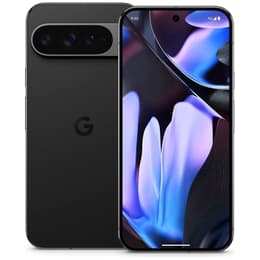
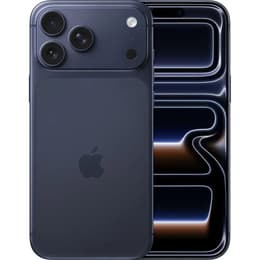
The Google Pixel 9 Pro XL (2024) and the Apple iPhone 17 Pro Max (2025) represent large-format, high-end smartphones designed to deliver extensive feature sets and expansive screen real estate. While the Pixel relies on the Android ecosystem with deep software intelligence, the iPhone operates on iOS, offering distinct ecosystem integration and processing approaches.
Choosing between these two devices largely depends on preferred software environments and daily usage priorities rather than raw utility gaps.
Color
Storage (GB)
Both devices are built for long-term ownership, though they follow different release timelines and software update frameworks provided by their respective manufacturers.
Release Year
Last OS Compatibility
OS
Foldable
Handling daily tasks, intensive mobile games, and demanding applications smoothly is a core strength for both smartphones, supported by ample memory configurations.
Viewing content, reading text, and playing video games are enhanced by advanced display technologies that prioritize clarity, smooth motion, and outdoor legibility.
Resolution
Screen type
Versatile triple-lens camera arrays on the rear of both devices accommodate a wide variety of photographic scenarios, from close-up macro shots to distant subjects.
Main camera
Front camera
Practical everyday elements such as connectivity standards, physical dimensions, and security authentication shape the overall handling experience of each handset.
Weight
Screen size (inches)
Network
SIM card
Carrier compatibility
Connector
Community discussions and user feedback indicate that the Google Pixel 9 Pro XL receives frequent praise for its intelligent software features, natural image processing, and clean interface layout. Conversely, users often highlight the iPhone 17 Pro Max for its robust build quality, sustained processing performance during gaming, and seamless integration with other Apple hardware. Some common criticisms involve the substantial physical footprint of both large devices, which can feel heavy during prolonged one-handed use.
Users prioritizing deep customization, built-in artificial intelligence assistants, and long-term Android feature updates may prefer the Google Pixel 9 Pro XL. Meanwhile, users embedded in the Apple ecosystem who value cinematic video recording tools and extensive accessory compatibility will likely lean toward the iPhone 17 Pro Max. For buyers exploring sustainable shopping habits, selecting a quality-assured refurbished option provides an eco-friendly alternative that reduces electronic waste while delivering the same core capabilities.