
Google Pixel 9 Pro • Unlocked vs iPhone 14 • Locked T-Mobile

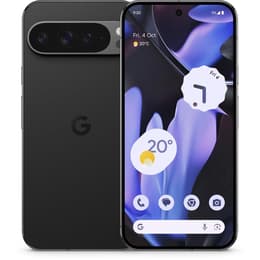
Google Pixel 9 Pro • Unlocked
Starting at

Refurbished price:$435.86

Versus $899.99 new

See options
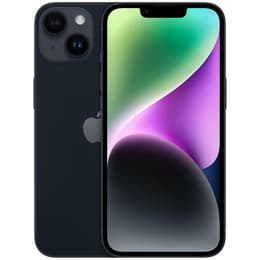
iPhone 14 • Locked T-Mobile
Starting at

Refurbished price:$239.00

Versus $599.00 new

See options

Ratings

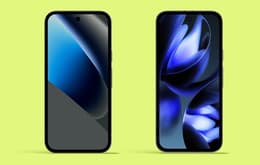
The Google Pixel 9 Pro, released in late 2024, and the Apple iPhone 14, launched in late 2022, represent distinct approaches to the premium smartphone experience. While both devices offer robust performance and advanced features, they cater to different user preferences through their respective operating systems and hardware philosophies. The Pixel 9 Pro emphasizes advanced computational photography and a high refresh rate display, running on Android, whereas the iPhone 14 focuses on a streamlined user experience and a powerful, efficient processor within the iOS ecosystem.

Scores

Durability

When considering the long-term usability of a smartphone, factors like software support, physical durability, and ease of repair play a significant role.

  • Software Longevity: The Google Pixel 9 Pro is designed to receive seven years of major Android operating system updates, extending its software support well into the future. The iPhone 14, running on iOS, typically receives 5-6 years of major updates from its release date, meaning its software support will conclude sooner than the Pixel 9 Pro's.
  • Physical Durability: Both devices feature robust build materials. The iPhone 14 incorporates a Ceramic Shield front cover and an aluminum design, offering resistance against everyday impacts and an IP68 rating for dust and water resistance. The Pixel 9 Pro utilizes Corning Gorilla Glass Victus 2 for both its front and back, paired with a polished metal frame, also providing a high level of durability.
  • Repairability Considerations: The iPhone 14 initially received a favorable repairability assessment due to an internal redesign that made components like the back glass more accessible. However, this score was later downgraded due to software-based part pairing requirements that complicate repairs with non-genuine or unauthorized parts. Information regarding the Pixel 9 Pro's specific repairability score is not as widely detailed, but Google's Pixel line generally aims for a more open repair ecosystem.

Release Year

2024

2022

Last OS Compatibility

Yes

Yes

OS

Android

iOS

Foldable

No

No

Performance

The performance of a smartphone is crucial for handling daily tasks, from casual browsing to demanding applications and gaming.

  • Processing Power: The Google Pixel 9 Pro is equipped with a current-generation processor designed to handle intensive applications and multitasking with efficiency. The iPhone 14 features a powerful processor that delivers smooth performance for most applications and games, ensuring a responsive user experience.
  • Multitasking and Storage: The Pixel 9 Pro offers a substantial amount of RAM, which contributes to seamless multitasking and efficient handling of numerous open applications. It is available with various storage options, including configurations up to 1TB, providing ample space for files and media. The iPhone 14 comes with a generous amount of RAM, allowing for effective app management, and is available in storage capacities up to 512GB.
  • Battery Performance: The Pixel 9 Pro houses a larger battery capacity, which, combined with software optimizations, is designed to provide extended usage throughout the day. The iPhone 14's battery is optimized to last a full day for most users under typical usage conditions, with efficient power management from its processor and operating system.

Memory (GB)

16 GB

6 GB

Screen quality

The display is a primary interface for smartphone interaction, and both devices offer high-quality viewing experiences with distinct characteristics.

  • Display Technology and Resolution: The Google Pixel 9 Pro features a 6.3-inch LTPO OLED display, offering a high resolution and a pixel density that results in sharp and detailed visuals. The iPhone 14 comes with a 6.1-inch Super Retina XDR OLED display, providing vibrant colors and deep blacks with a high pixel density for clear imagery.
  • Brightness and Refresh Rate: The Pixel 9 Pro's display boasts high peak brightness levels, making it highly visible even in bright outdoor conditions, and features an adaptive refresh rate that can scale from 1Hz to 120Hz for smooth scrolling and power efficiency. The iPhone 14 offers strong typical and peak brightness, ensuring good visibility, but its display operates at a standard 60Hz refresh rate.
  • Viewing Experience: Both phones provide excellent contrast ratios and support HDR content, enhancing the visual fidelity of videos and images. The Pixel 9 Pro's adaptive refresh rate contributes to a fluid experience, particularly noticeable during gaming or fast-paced content, while the iPhone 14's consistent OLED quality delivers a rich and immersive viewing experience for everyday use.

Resolution

1280 x 2856

1170 x 2532

Screen type

LTPO OLED

Super Retina XDR OLED

Audiovisual

Both the Google Pixel 9 Pro and the iPhone 14 offer capable camera systems, though they differ in their hardware configurations and computational photography approaches.

  • Rear Camera System: The Google Pixel 9 Pro features a versatile triple-camera setup, including a high-resolution main sensor, an ultrawide lens with macro capabilities, and a telephoto lens offering 5x optical zoom. This allows for a wide range of photographic styles, from expansive landscapes to detailed close-ups and distant subjects. The iPhone 14 is equipped with a dual-camera system, comprising a main wide-angle lens and an ultrawide lens, both capable of capturing detailed photos and videos.
  • Photography and Video Features: The Pixel 9 Pro leverages advanced computational photography with features like Night Sight, Astrophotography, and a new HDR+ imaging pipeline for true-to-life photos. Its Video Boost feature can upscale video to 8K resolution and enhance quality. The iPhone 14 utilizes its Photonic Engine to significantly improve low-light performance across its cameras and offers Cinematic mode for video with depth effects, and Action mode for stabilized footage.
  • Front Camera and Audio: The Pixel 9 Pro includes a high-resolution front camera with autofocus and a wide field of view, suitable for sharp selfies and group shots. It also features stereo speakers that deliver clear audio. The iPhone 14's TrueDepth front camera offers autofocus and improved low-light performance, ideal for video calls and selfies. Both devices provide quality audio output for media consumption and calls.

Main camera

50 megapixels

12 megapixels

Front camera

42 megapixels

12 megapixels

Miscellaneous

Beyond core performance and display, several practical features contribute to the overall user experience and daily utility of these smartphones.

  • Connectivity and Ports: Both the Pixel 9 Pro and iPhone 14 support 5G connectivity for fast mobile data speeds. They also include modern Wi-Fi and Bluetooth standards for reliable wireless connections. The iPhone 14 uses a Lightning port for charging and data transfer, while the Pixel 9 Pro, as a contemporary Android device, is expected to feature a USB-C port.
  • Biometric Security and Design: The Pixel 9 Pro incorporates an in-display ultrasonic fingerprint sensor for secure and convenient unlocking. Its design features a matte glass back and a distinct camera bar. The iPhone 14 relies on Face ID for biometric authentication, offering secure facial recognition. Its design includes a Ceramic Shield front and an aluminum frame.
  • Dimensions and Handling: The Pixel 9 Pro has dimensions of 152.8 x 72 x 8.5 mm and weighs 199g, offering a balanced feel in hand. The iPhone 14 is slightly more compact and lighter at 146.7 x 71.5 x 7.8 mm and 172g, which may appeal to users preferring a smaller device.

Weight

7 oz

6 oz

Screen size (inches)

6.3

6.1

Network

5G

5G

SIM card

Physical SIM + eSIM

eSIM

Carrier compatibility

Unlocked

T-Mobile

Connector

USB-C

Lightning

User feedback for the Google Pixel 9 Pro often highlights its exceptional camera capabilities, particularly its advanced AI-driven features and versatile lens system, which are frequently praised for producing high-quality images in various conditions. Users also appreciate its long software support commitment and the vibrant, high refresh rate display. Some common discussions around Pixel devices, which may extend to the 9 Pro, sometimes revolve around battery life consistency under heavy loads, though the 9 Pro's larger battery aims to address this.

The iPhone 14 is frequently lauded for its consistent performance, the reliability of the iOS ecosystem, and its robust build quality. Users generally find its camera system to be very capable for everyday photography and video, with features like Cinematic mode being well-received. A recurring point of discussion for the iPhone 14 has been its 60Hz display, which some users find less fluid compared to devices with higher refresh rates, and its repairability challenges due to part pairing.

Users prioritizing cutting-edge computational photography, a high refresh rate display, and extended software support may find the Google Pixel 9 Pro well-suited to their needs. Conversely, users who value a highly integrated ecosystem, consistent performance, and a slightly more compact form factor may lean toward the iPhone 14. Both devices offer a quality-assured refurbished option, providing an eco-friendly alternative for consumers seeking to make informed and sustainable choices.

See all articles

Our recent comparisons