Compare models
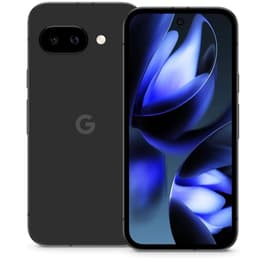
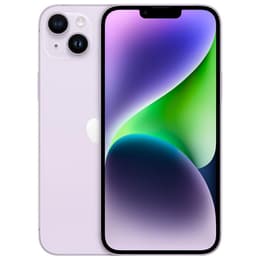
Google Pixel 9a • Unlocked vs iPhone 14 Plus • Unlocked
- 1-year warranty
- Free standard shipping
- Free 30-day returns
Differences at a glance
The Google Pixel 9a (2025) and the Apple iPhone 14 Plus (2022) represent distinct approaches to modern smartphone design, catering to users looking for dependable performance and everyday usability. While the Google Pixel 9a runs on Android and emphasizes modern design updates with long-term software support, the iPhone 14 Plus runs on iOS and offers a larger screen format paired with a tried-and-tested ecosystem. Choosing between these two devices depends largely on your preferred operating system and how you balance screen size with software longevity.
Available Models
Color
Storage (GB)
Scores
Durability
Both devices offer strong build quality and multi-year software backing, though their release timelines and update commitments differ significantly.
- Software support duration: The Google Pixel 9a benefits from an extended software commitment, receiving updates for seven years from its release. The iPhone 14 Plus follows typical mobile lifecycles with several years of expected iOS updates remaining.
- Repairability and durability: Both models feature dust and water resistance ratings, alongside robust exterior glass or aluminum structures designed to handle everyday wear.
- Expected practical lifespan: Users seeking maximum software longevity will find the Pixel's extended update timeline advantageous, while the iPhone offers reliable long-term performance within the iOS ecosystem.
Release Year
2025
2022
OS
Android
iOS
Foldable
No
No
Performance
System responsiveness and day-to-day multitasking vary based on internal hardware choices and software optimization on each device.
- Everyday multitasking: Both smartphones handle routine tasks, web browsing, and switching between apps smoothly, though memory configurations differ across models.
- Storage capacity: The Google Pixel 9a typically starts with ample base storage, while the iPhone 14 Plus offers multiple tiers ranging up to higher capacities for media-heavy users.
- Battery behavior: The Pixel 9a packs a high-capacity battery designed to easily sustain heavy daily use, whereas the iPhone 14 Plus leverages efficient hardware management to support long periods of media playback and calling.
Screen quality
Display characteristics differ notably in physical dimensions and refresh rate capabilities between the two models.
- Display technology: Both devices utilize OLED panels that provide deep black levels, high contrast, and vivid color reproduction for daily viewing.
- Refresh rate and smoothness: The Google Pixel 9a features a high refresh rate supporting smooth scrolling through menus and web pages, while the iPhone 14 Plus maintains a standard refresh rate.
- Size and viewing space: The iPhone 14 Plus provides a larger 6.7-inch display well-suited for watching videos and reading, whereas the Pixel 9a offers a more compact 6.3-inch footprint that is easier to handle with one hand.
Resolution
1080x2424
1284 x 2778
Screen type
P-OLED
Super Retina XDR OLED
Audiovisual
Camera hardware and audio reproduction cater well to casual photography and media consumption on both handsets.
- Camera systems: The Google Pixel 9a utilizes a high-resolution main sensor paired with computational photography tools, while the iPhone 14 Plus uses a dual-lens setup optimized for natural color accuracy and steady video recording.
- Low-light performance: Both devices capture clear images in dim environments using dedicated processing modes to reduce noise and preserve detail.
- Media and audio output: Stereo speakers on both smartphones deliver clear sound for hands-free calls, casual video viewing, and listening to music.
Miscellaneous
Practical physical characteristics and connectivity features shape the daily handling experience of each device.
- Build and handling: The Pixel 9a features a lighter, more compact body that fits comfortably into smaller pockets, whereas the larger iPhone 14 Plus offers a spacious canvas at the expense of a heavier footprint.
- Connectivity options: Both models support 5G cellular networks, modern Wi-Fi standards, and Bluetooth for reliable accessory pairing.
- Security features: The Pixel 9a provides biometric authentication via facial recognition and fingerprint scanning, while the iPhone 14 Plus relies on secure face recognition technology.
Weight
6 oz
7 oz
Screen size (inches)
6.3
6.7
Network
5G
5G
SIM card
Physical SIM + eSIM
eSIM
Carrier compatibility
Unlocked
Unlocked
What the community thinks
When deciding between the Google Pixel 9a and the iPhone 14 Plus, user preference largely centers around screen dimensions, operating systems, and physical handling. Users prioritizing a compact form factor, high-screen refresh rates, and extended software commitments often lean toward the Google Pixel 9a. Conversely, users who prefer a larger canvas for media consumption alongside the iOS environment frequently find the iPhone 14 Plus well-suited to their daily routines.
For those exploring sustainable shopping habits, choosing a quality-assured refurbished option through platforms like Back Market provides an eco-friendly alternative that extends device life cycles without compromising on performance. Evaluating your preferred operating system and everyday ergonomic needs will guide you toward the right choice for your lifestyle.