
Google Pixel Fold • Unlocked vs iPhone SE (2022) • Locked T-Mobile

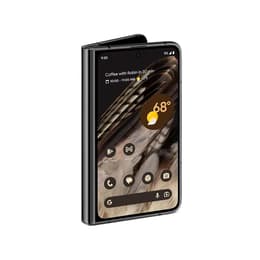
Google Pixel Fold • Unlocked
Starting at

Refurbished price:$591.00

Versus $1,799.00 new

See options
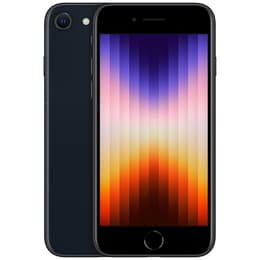
iPhone SE (2022) • Locked T-Mobile
Starting at

Refurbished price:$124.00

Versus $429.00 new

See options

Ratings

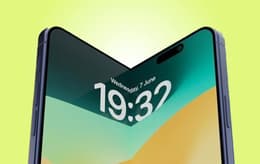
The Google Pixel Fold, released in May 2023, is Google's first foldable smartphone, offering a unique form factor that transforms from a traditional phone into a tablet-like device. In contrast, the iPhone SE (3rd generation), launched in March 2022, is a compact, conventional smartphone from Apple. These devices operate on different ecosystems, with the Pixel Fold running Android and the iPhone SE running iOS, and cater to distinct user preferences, primarily differing in their display technology and overall design approach.

Scores

Durability

The expected practical lifespan of a smartphone is influenced by its build quality, software support, and the availability of repairs. Both devices offer robust software support, though their physical designs present different considerations for long-term use.

  • Software Longevity: The Google Pixel Fold is expected to receive five years of OS and security updates, extending its support until at least June 2028. The iPhone SE (3rd generation) typically receives major iOS updates for five to seven years, with security updates often continuing for longer, suggesting support potentially until 2028-2030 for major OS updates.
  • Physical Durability: The Pixel Fold features an aluminum frame and Gorilla Glass Victus on its exterior, with an Ultra Thin Glass cover for its inner foldable display. It carries an IPX8 water resistance rating, meaning it can withstand submersion in water. The iPhone SE (3rd generation) uses a glass front and back with an aluminum frame and is rated IP67 for dust and water resistance, allowing for submersion in shallower water for a shorter duration. The foldable nature of the Pixel Fold introduces a hinge mechanism and a flexible inner screen, which are distinct points of consideration compared to the rigid design of the iPhone SE.
  • Repairability: While specific repairability scores can vary, the traditional design of the iPhone SE generally offers a more straightforward repair process for common components compared to the more complex internal structure of a foldable device like the Pixel Fold.

Release Year

2023

2022

Last OS Compatibility

Yes

Yes

OS

Android

iOS

Foldable

Yes

No

Performance

Both smartphones are equipped with capable processors designed to handle daily tasks efficiently, but they differ in their approach to performance and multitasking capabilities.

  • Processing Power: The Google Pixel Fold is powered by a processor that handles demanding applications and multitasking smoothly, especially when utilizing its dual-screen functionality. The iPhone SE (3rd generation) features a processor known for its strong single-core performance, ensuring a responsive experience for everyday apps and gaming.
  • Multitasking and Responsiveness: The Pixel Fold, with its larger amount of RAM (12GB) and foldable design, is well-suited for running multiple applications side-by-side on its expansive inner display, offering a tablet-like multitasking experience. The iPhone SE (3rd generation) comes with 4GB of RAM, providing a fluid experience for typical smartphone usage, though its smaller screen size and iOS multitasking approach are geared towards single-app focus or simpler split-screen views.
  • Storage Options: The Pixel Fold offers storage configurations of 256GB and 512GB. The iPhone SE (3rd generation) is available with 64GB, 128GB, or 256GB of internal storage.

Memory (GB)

12 GB

4 GB

Screen quality

The display experience is a primary differentiator between these two devices, with the Pixel Fold offering a versatile dual-screen setup and the iPhone SE providing a more traditional, compact display.

  • Display Technology and Size: The Google Pixel Fold features two OLED displays, a 5.8-inch outer cover screen and a 7.6-inch inner foldable screen when unfolded. Both screens offer a smooth 120Hz refresh rate, contributing to fluid scrolling and responsiveness. The iPhone SE (3rd generation) has a single 4.7-inch LCD Retina HD display with a standard 60Hz refresh rate.
  • Resolution and Clarity: The Pixel Fold's outer display has a resolution of 2092x1080 pixels (408 ppi), and its inner display offers 2208x1840 pixels (380 ppi), providing sharp and detailed visuals across both screens. The iPhone SE's display has a resolution of 1334x750 pixels (326 ppi), which delivers clear images for its size.
  • Brightness and Viewing Experience: The Pixel Fold's OLED screens offer deep blacks and vibrant colors, with peak brightness levels of 1550 nits for the outer screen and 1450 nits for the inner screen, making them suitable for various lighting conditions, including outdoor use. The iPhone SE's LCD display provides good color accuracy and a typical maximum brightness of 625 nits. The larger, foldable screen of the Pixel Fold offers an immersive viewing experience for media consumption and productivity, while the iPhone SE's compact screen is designed for one-handed use and portability.

Resolution

1840 x 2208

750 x 1334

Screen type

Foldable OLED

Retina IPS LCD

Audiovisual

Both devices offer capable camera systems, but they approach photography with different hardware configurations and software enhancements.

  • Rear Camera System: The Google Pixel Fold features a versatile triple-camera setup on the rear, including a 48-megapixel main sensor with optical image stabilization (OIS), a 10.8-megapixel ultrawide lens, and a 10.8-megapixel telephoto lens capable of 5x optical zoom. This configuration allows for a wide range of photographic styles, from expansive landscapes to detailed distant subjects. The iPhone SE (3rd generation) is equipped with a single 12-megapixel wide camera with OIS.
  • Photography Performance: The Pixel Fold leverages Google's advanced computational photography, resulting in balanced images with good detail and color reproduction, even in challenging conditions. Its telephoto lens provides significant zoom capabilities. The iPhone SE (3rd generation), despite its single lens, benefits from its processor's image processing capabilities, producing good photos in well-lit environments and offering features like Smart HDR 4 and Deep Fusion. However, it lacks a dedicated Night Mode and may struggle more in low-light scenarios compared to multi-lens systems.
  • Video Recording and Front Cameras: Both devices support 4K video recording at up to 60 frames per second. The Pixel Fold includes a 9.5-megapixel camera on its cover screen and an 8-megapixel camera on the inner display for selfies and video calls. The iPhone SE (3rd generation) has a 7-megapixel front camera, suitable for video calls and selfies.

Main camera

48 megapixels

12 megapixels

Front camera

8 megapixels

7 megapixels

Miscellaneous

Beyond core features, several practical elements contribute to the overall user experience, from connectivity to physical design.

  • Connectivity and Ports: The Google Pixel Fold supports Wi-Fi 6E, Bluetooth 5.2, NFC, and features a USB-C port for charging and data transfer. It also offers 5G connectivity, including both sub-6 GHz and mmWave bands. The iPhone SE (3rd generation) supports Wi-Fi 6, Bluetooth 5.0, NFC, and uses Apple's proprietary Lightning port. It supports 5G (sub-6 GHz) but does not include mmWave.
  • Biometric Security: The Pixel Fold incorporates a side-mounted fingerprint sensor for secure unlocking. The iPhone SE (3rd generation) utilizes Touch ID, a fingerprint sensor integrated into its physical Home button.
  • Physical Characteristics: The Pixel Fold, when folded, measures approximately 139.7 x 79.5 x 12.1 mm and weighs 283 grams, making it a substantial device. When unfolded, it is much thinner at 5.8 mm. The iPhone SE (3rd generation) is a compact device, measuring 138.4 x 67.3 x 7.3 mm and weighing 144 grams, emphasizing portability and one-handed use. The Pixel Fold uses an aluminum frame with Gorilla Glass Victus on its exterior, while the iPhone SE also features an aluminum frame with glass on the front and back.

Weight

7 oz

3 oz

Screen size (inches)

7.6

4.7

Network

5G

5G

SIM card

Physical SIM + eSIM

Physical SIM + eSIM

Carrier compatibility

Unlocked

T-Mobile

Connector

USB-C

Lightning

The Google Pixel Fold and iPhone SE (3rd generation) cater to fundamentally different user needs and preferences, primarily due to their distinct form factors and operating systems. User feedback for the Pixel Fold often praises its innovative foldable design, offering the utility of a tablet in a pocketable form, and its capable camera system. However, some users have noted concerns regarding its weight and the durability of the inner display, as is common with early foldable technologies. The iPhone SE (3rd generation) is frequently lauded for its compact size, familiar design with Touch ID, and the powerful performance delivered by its processor. Criticisms often point to its dated design, including large bezels and a smaller, lower-resolution LCD screen, as well as its single camera setup which lacks features like Night Mode.

Users prioritizing a versatile, large-screen experience for multitasking, media consumption, and advanced photography, and who are comfortable with a larger, heavier device, may find the Google Pixel Fold well-suited to their needs. Its Android operating system also offers a high degree of customization and integration with Google services. Conversely, individuals seeking a compact, lightweight, and easy-to-handle smartphone for everyday communication, basic photography, and a consistent iOS experience will likely prefer the iPhone SE (3rd generation). It remains a strong option for those who value a traditional smartphone design and the familiarity of Apple's ecosystem. Both devices, whether new or as quality-assured refurbished options, provide distinct advantages depending on individual priorities.
See all articles

Our recent comparisons