
Compare models
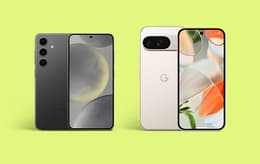
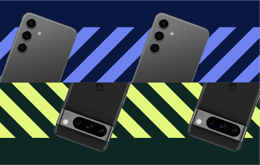
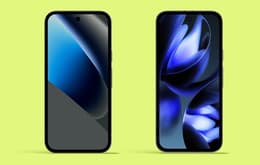
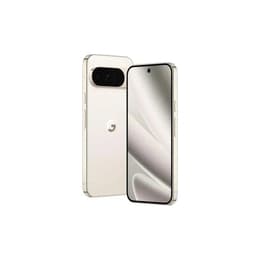
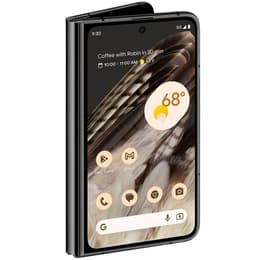
Google Pixel 10 Pro XL • Unlocked vs Google Pixel Fold • Unlocked
- 1-year warranty
- Free standard shipping
- Free 30-day returns
Differences at a glance
The Google Pixel 10 Pro XL (2025) and the Google Pixel Fold (2023) represent two entirely different form factors within Google's smartphone ecosystem, contrasting a traditional large-screen slate design with a book-style foldable device. Both models run the Android operating system and offer deep software integration, but they target distinct user preferences regarding physical versatility and daily handling.
Available Models
Color
Storage (GB)
Scores
Durability
When evaluating structural longevity and software support, both devices provide extensive updates, though their release timelines and mechanical designs differ significantly.
- Software Support Timeline: The Pixel 10 Pro XL benefits from a more recent release year, aligning with extended multi-year operating system and security update commitments that span well into the next decade.
- Hardware Durability: The Pixel 10 Pro XL utilizes a standard rigid slate build with robust water resistance and standard glass protection, whereas the Pixel Fold features a complex dual-screen folding mechanism that requires careful handling over years of continuous physical opening and closing.
- Repairability: Traditional bar-style smartphones like the Pixel 10 Pro XL generally present more straightforward paths for component maintenance compared to first-generation foldable assemblies.
Release Year
2025
2023
OS
Android
Android
Foldable
No
Yes
Performance
Underneath the exterior, these devices handle multitasking, everyday app launching, and mobile gaming through different generations of internal hardware paired with substantial memory configurations.
- Multitasking and Responsiveness: The Pixel 10 Pro XL handles heavy background tasks and demanding applications smoothly with its current-generation processor and ample random access memory, while the Pixel Fold manages daily workflows and split-screen apps reliably using its foundational processing hardware.
- Storage Configurations: Both devices are available with generous onboard storage tiers, accommodating large media libraries and offline files without performance degradation.
- Battery Behavior: The Pixel 10 Pro XL's larger battery capacity easily sustains a full day of intensive usage, whereas the Pixel Fold's power consumption varies significantly depending on whether users rely primarily on the compact outer screen or expand to the larger interior canvas.
Screen quality
The visual experience serves as the most prominent differentiator between these two handsets, changing how media, reading, and productivity tasks are managed.
- Display Technology: The Pixel 10 Pro XL features a single expansive OLED panel with high peak brightness levels and sharp resolution for clear outdoor viewing, while the Pixel Fold provides a dual-screen experience with a standard outer display and a large tablet-sized interior OLED screen.
- Refresh Rate and Smoothness: Both devices support high adaptive refresh rates up to 120Hz, ensuring fluid scrolling through web pages and smooth animation transitions.
- Viewing Area: Users choosing the Pixel Fold gain an expansive near-square workspace suited for viewing multiple windows side by side, whereas the Pixel 10 Pro XL offers a conventional, cinematic aspect ratio optimized for standard video playback.
Resolution
1344 x 2992
1840 x 2208
Screen type
LTPO OLED
Foldable OLED
Audiovisual
Photography and media consumption capabilities leverage sophisticated sensor arrangements alongside software-driven enhancement tools.
- Camera System Versatility: Both models include triple rear camera setups featuring wide, ultra-wide, and telephoto lenses capable of capturing detailed imagery and sharp low-light shots.
- Video and Audio Output: High-resolution video recording and clear stereo speakers are standard across both devices, ensuring reliable quality for video calls and media playback.
- Unique Shooting Angles: The Pixel Fold introduces distinct physical postures such as tabletop mode for tripod-free captures, while the Pixel 10 Pro XL relies on advanced software assistance features to guide photo composition and framing.
Miscellaneous
Physical dimensions and connectivity standards shape how each smartphone feels during everyday transport and handling.
- Handling and Portability: The Pixel 10 Pro XL follows a standard large-phone footprint with a noticeable weight distribution, whereas the Pixel Fold folds into a thicker, shorter profile that fits compactly in pockets despite a heavier overall mass when closed.
- Connectivity: Both handsets support rapid 5G network speeds, modern Wi-Fi standards, and Bluetooth connectivity for accessory pairing.
- Authentication and Ports: Each model utilizes secure biometric authentication options like face recognition and in-display fingerprint sensors alongside reversible USB-C charging ports. A quality-assured refurbished option from Back Market can provide a sustainable choice for acquiring either device model with verified functional reliability.
Weight
8 oz
7 oz
Screen size (inches)
6.8
7.6
Network
5G
5G
SIM card
eSIM
Physical SIM + eSIM
Carrier compatibility
Unlocked
Unlocked
Connector
USB-C
USB-C
What the community thinks
Choosing between the Google Pixel 10 Pro XL and the Google Pixel Fold depends primarily on whether physical versatility or traditional slab reliability fits your daily routine. Users who prioritize a sprawling tablet-sized display for multitasking, reading, and productivity will find the Pixel Fold well-suited to their needs, despite its heavier folded profile. Conversely, users who prioritize maximum battery endurance, a brighter single-pane viewing experience, and a conventional candy-bar design will lean toward the Pixel 10 Pro XL. Selecting a sustainable choice like a refurbished option through Back Market allows consumers to explore these advanced mobile technologies while supporting environmental responsibility. Ultimately, evaluating how you consume media and manage daily tasks will point you toward the right device.